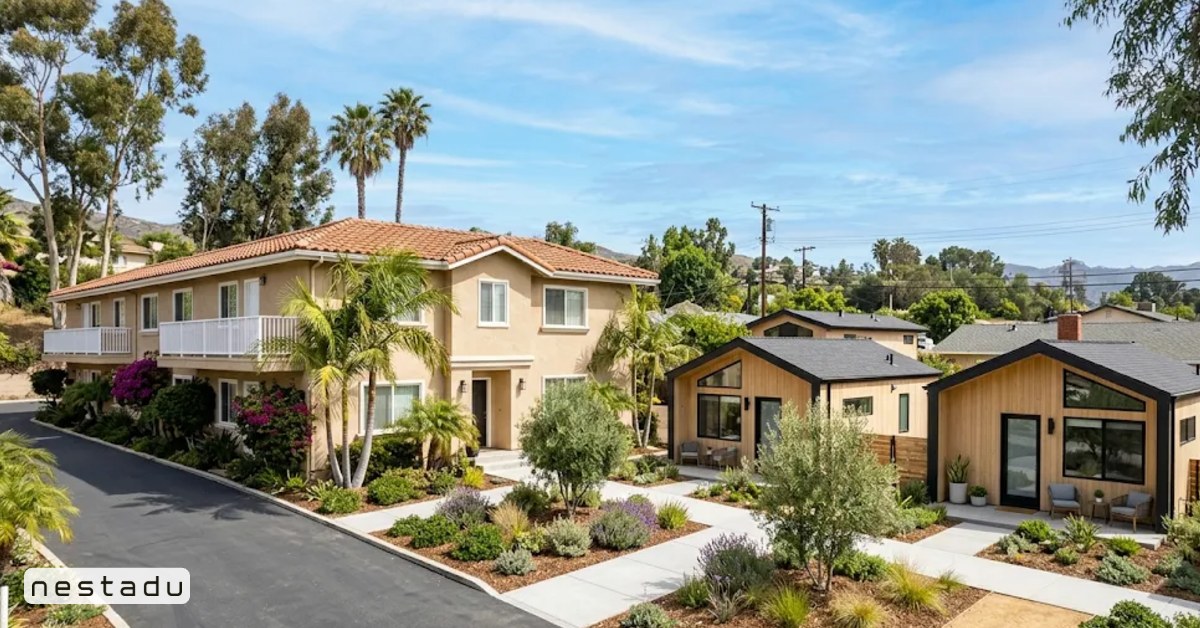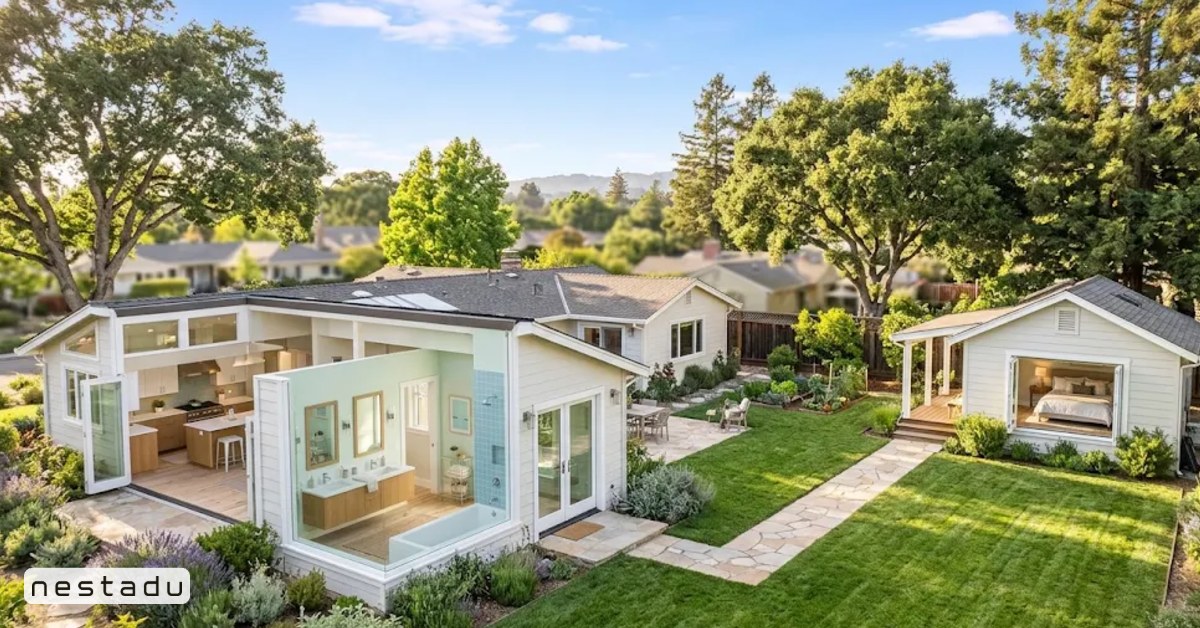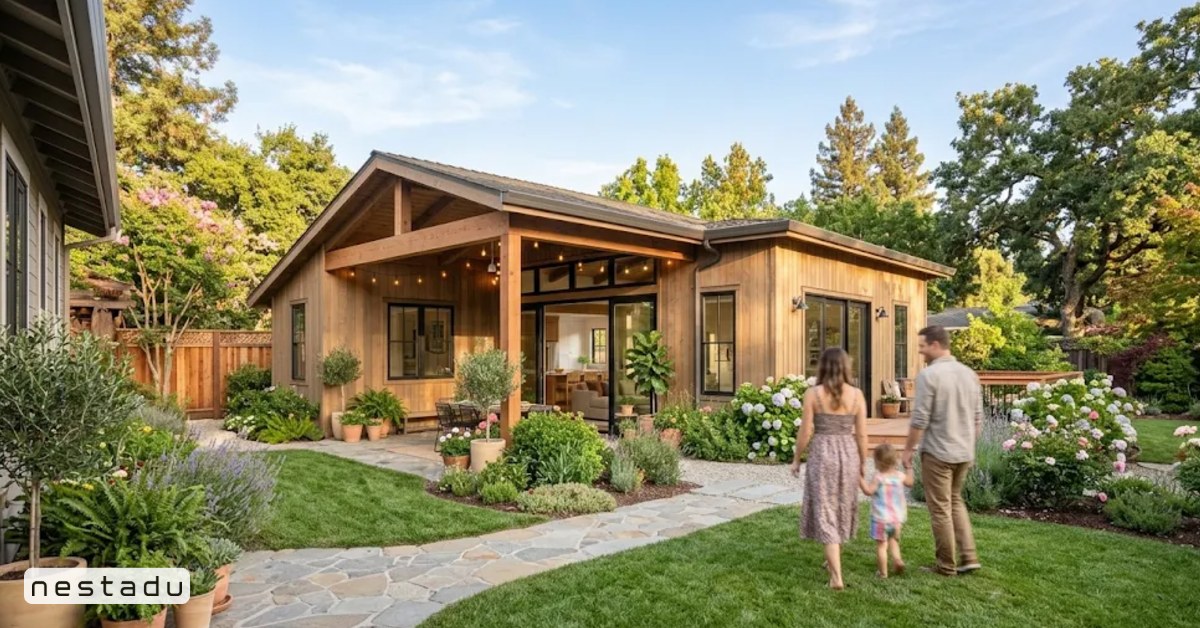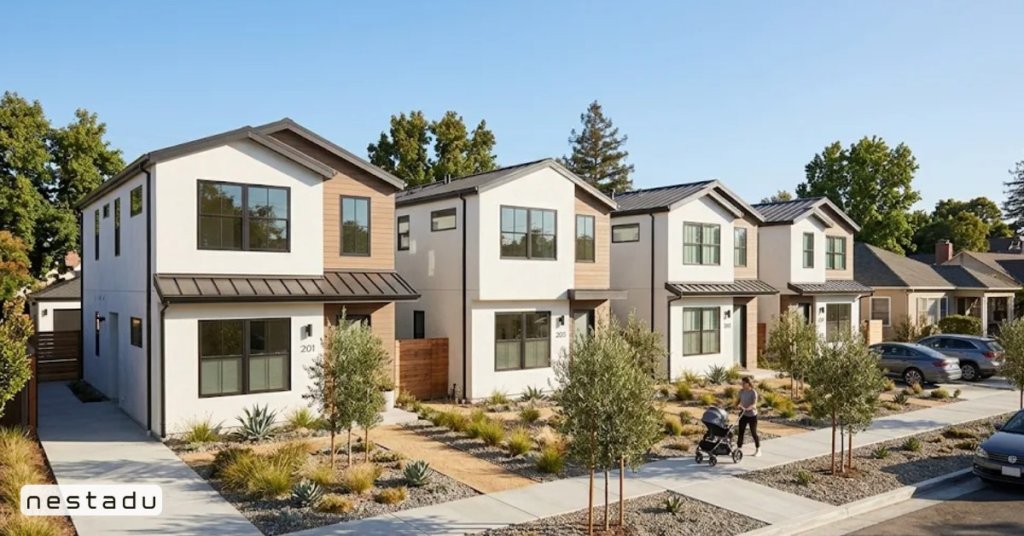
If you own a vacant lot in a single-family zone in California, SB 1123 may let you do far more with it than you thought. This state law opens a faster path to split land into small parcels and build starter homes on them, without the long public hearings that usually slow projects down. For many owners, it turns an empty lot into a small neighborhood of homes.
SB 1123 builds on an earlier law called SB 684. Together they make up the Starter Home Revitalization Act. If you are also weighing an ADU, our guide to new ADU laws explains how backyard homes fit into the same push for more housing. Below, we break SB 1123 down in plain English: who qualifies, what you can build, how the approval process works, and where ADUs come in.
What Is SB 1123?
SB 1123 is a California housing bill signed into law on September 19, 2024. It became operative on July 1, 2025. Its main job is to update SB 684, the 2023 law that created a fast-track for small subdivisions on multifamily-zoned land.
SB 684 only helped owners of multifamily lots. SB 1123 widened the door. It lets owners of vacant lots in single-family zones use the same streamlined process. That is a big shift, because single-family zoning covers a large share of land in most California cities.
In simple terms, SB 1123 lets a qualifying owner:
- Split a vacant single-family lot into as many as 10 new parcels
- Build up to 10 homes on those parcels
- Get a yes or no from the city within 60 days
- Skip discretionary public hearings and planning commission votes
The law has been amended since it passed, and each city writes its own rules to put it in place. Always confirm the current version with your local planning department before you plan a project.
SB 684 vs SB 1123: How the Two Laws Fit Together
People often say “SB 684 and SB 1123” in one breath because the second law extends the first. Here is a simple side-by-side view.
| Feature | SB 684 (2023) | SB 1123 (2024) |
|---|---|---|
| Zoning covered | Multifamily zones | Adds vacant lots in single-family zones |
| Max lot size | Up to 5 acres | Up to 1.5 acres for single-family lots |
| Max new parcels | 10 | 10 |
| Max homes | 10 (ADUs and JADUs not counted) | 10 (ADUs and JADUs not counted) |
| Minimum new parcel size | 600 sq ft in multifamily zones | 1,200 sq ft in single-family zones |
| Approval type | Ministerial, 60 days | Ministerial, 60 days |
| Operative date | 2024 | July 1, 2025 |
The key takeaway: SB 684 handled multifamily land, and SB 1123 brought vacant single-family lots into the same fast lane.
Who Qualifies Under SB 1123?
Not every lot works. The law sets clear limits, and cities may add their own objective standards on top. Based on the core rules, a project usually needs to meet these points.
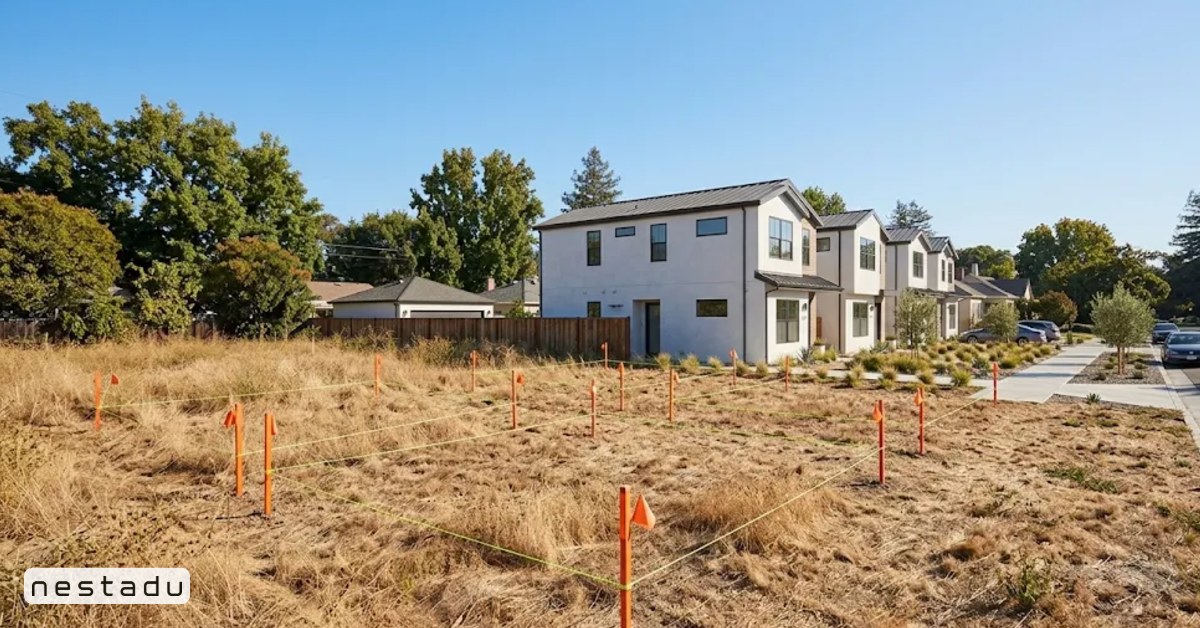
The Lot Must Be Vacant
The single-family side of SB 1123 applies to vacant lots. If a home already stands on your land, this path generally does not fit. In that case, other tools such as an ADU or an SB 9 lot split may work better. Our article on the California HOME Act (SB 9) explains that option.
The Lot Must Be 1.5 Acres or Smaller
Single-family lots must be no larger than 1.5 acres. Multifamily lots under SB 684 can be up to 5 acres.
Tenant Protections Apply
A project cannot demolish or displace housing that was rent-controlled, covenanted as affordable, or occupied by tenants in the past 5 years. This rule protects renters while still allowing new starter homes.
Density Must Hit a Minimum
The project must reach at least 66% of the maximum density allowed by the zoning. Before SB 1123, the rules were stricter and pushed projects toward full density, which made many sites hard to pencil out.
Local Objective Standards Still Matter
Cities can still apply objective rules, such as setbacks, height limits, and design standards, as long as they do not block the project from being built. Each city publishes its own eligibility details. For example, the Saratoga eligibility page lists its local criteria, and many other cities have similar pages.
How Many Homes Can You Build?
The headline number is 10. You can create up to 10 parcels and build up to 10 homes. Each new parcel in a single-family zone must be at least 1200 square feet. That is small compared with a typical suburban lot, which is why these projects are often called “starter home” or “small lot” developments.
A 1200 square foot parcel can hold a compact two-story home with a small yard. For a feel of how much room that is, our guide on how big ADUs can be shows what fits on tight footprints.
One detail many owners miss: ADUs and JADUs do not count toward the 10-unit limit. That means a project may be able to add accessory units on top of the main homes, subject to local rules. This can raise rental income or give families extra space for relatives.
The 60-Day Ministerial Approval Process
The biggest benefit of SB 1123 is speed. Projects that qualify get ministerial approval. That means the city checks your plans against clear, written rules and must approve or deny within 60 days. There is no public hearing, no planning commission vote, and no California Environmental Quality Act (CEQA) review for qualifying projects.
Here is how a typical SB 1123 project moves forward:
- Check eligibility. Confirm the lot is vacant, in the right zone, and under 1.5 acres.
- Review local standards. Pull your city’s SB 684/1123 page and objective design rules.
- Prepare a tentative map. A civil engineer or surveyor drafts the parcel layout.
- Design the homes. An architect or design-build team creates plans that fit each parcel.
- Submit the application. The 60-day clock starts once the city deems it complete.
- Get approval and permits. After the map is approved, you apply for building permits.
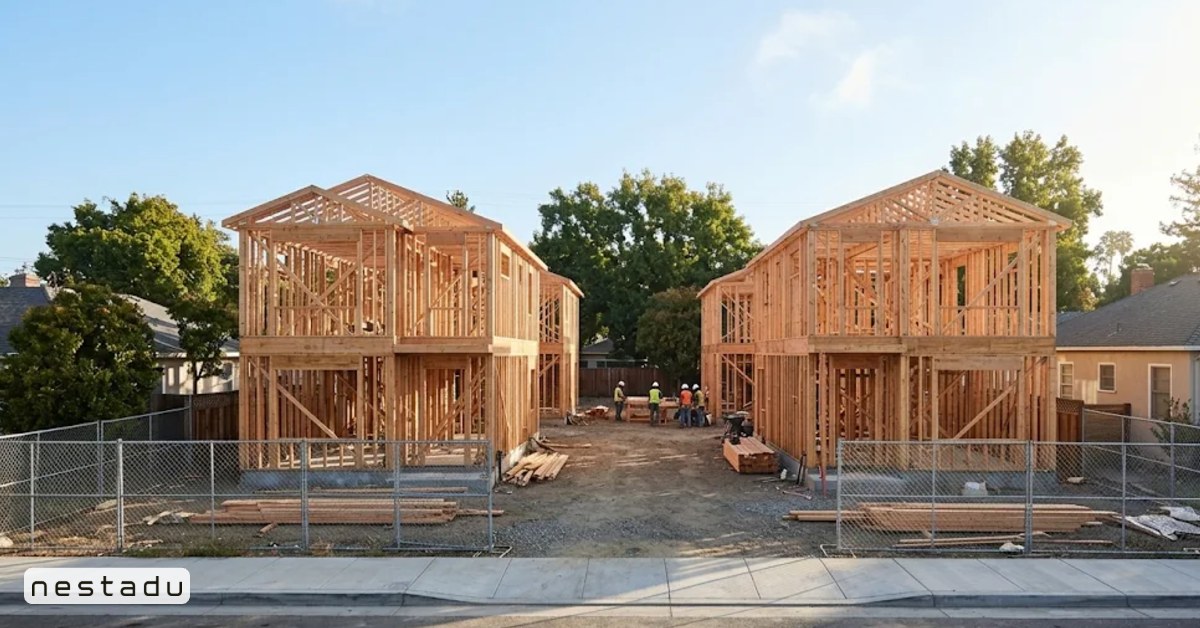
- Build and record. Construction moves ahead and the final map is recorded.
The 60-day clock covers the subdivision decision. Building permits, utility work, and construction take extra time. If you want a feel for permit steps, our post on the ADU permitting process walks through what plan review usually looks like.
Ownership Options Under SB 1123
SB 1123 is friendly to different ways of owning homes. Besides selling each parcel as a regular fee-simple lot, the law supports tenancies in common (TICs) and community land trusts. These options can lower the price of entry for first-time buyers and give nonprofits more ways to create affordable housing.
Where ADUs Fit Into SB 1123 Projects
Because ADUs and JADUs sit outside the 10-unit cap, they can be a smart add-on. A few ways owners use them:
- Add a small detached ADU behind each new home to create a rental unit
- Build a JADU inside a main home for a grown child or aging parent
- Offer buyers a “home plus ADU” package that helps with mortgage costs
Lot size matters here. On a 1200 square foot parcel, space for both a home and an ADU is tight, so careful design is key. Your city’s objective standards for setbacks and height will shape what fits.
If you already have a home on your lot, SB 1123 likely does not apply, but a backyard ADU almost always does. State ADU law gives most single-family owners the right to build at least one ADU, with a ministerial review process of its own.
Pros and Cons of Using SB 1123
SB 1123 is a strong tool, but it is not right for every owner. Weigh both sides.
Benefits
- Fast 60-day decision on qualifying subdivisions
- No public hearings or CEQA review for eligible projects
- Up to 10 homes on a vacant single-family lot
- ADUs and JADUs can be added outside the cap
Challenges
- Only vacant lots qualify on the single-family side
- Small parcels require skilled design
- Utility, grading, and infrastructure costs can be high
- City rules and later amendments can change details
Many owners hire a team that includes a civil engineer, land-use attorney, and builder before they commit. Costs vary widely by site, so get local quotes early.
Frequently Asked Questions About SB 1123
What is SB 1123 in California?
SB 1123 is a 2024 state law that updates SB 684. It lets owners of vacant single-family-zoned lots up to 1.5 acres split them into as many as 10 parcels with up to 10 homes, using a 60-day ministerial approval process.
When did SB 1123 take effect?
It was signed on September 19, 2024, and became operative on July 1, 2025. Some details have been amended since, so check your city’s current rules.
Did California get rid of single-family zoning?
No. Single-family zones still exist. Laws like SB 9 and SB 1123 allow more homes in those zones under certain conditions, but they do not erase the zoning itself.
Do ADUs count toward the 10-home limit?
No. ADUs and JADUs are not counted toward the 10-unit limit, though local rules still shape where and how they can be built.
Can I use SB 1123 if my lot already has a house?
Generally no. The single-family side of SB 1123 applies to vacant lots. Owners with an existing home often look at an ADU or an SB 9 lot split instead.
Where can I read the official law?
You can read a bill summary on CalMatters Digital Democracy and review your own city’s planning page for local rules.
Planning Your Small Lot or ADU Project With Nestadu
SB 1123 gives California owners a faster way to turn vacant land into starter homes, and ADUs can add even more value on top. Whether you are studying a small-lot split or want a backyard home on the lot you already own, the right design team makes the rules work for you. Nestadu is a licensed California ADU builder that handles design, permits, and construction for detached ADUs, attached ADUs, garage conversions, and in-law suites across the Bay Area, Sacramento, Los Angeles, and San Diego. Reach out to talk through your property and see which path fits your goals.
You can also read client reviews and get directions on Nestadu’s Google profile.
Nestadu
100 Shoreline Hwy, Suite 100, Building B, Mill Valley, CA 94941
Phone: (888) 637-8238
Email: info@nestadu.com
CSLB 1117837 | HCD DL1611393