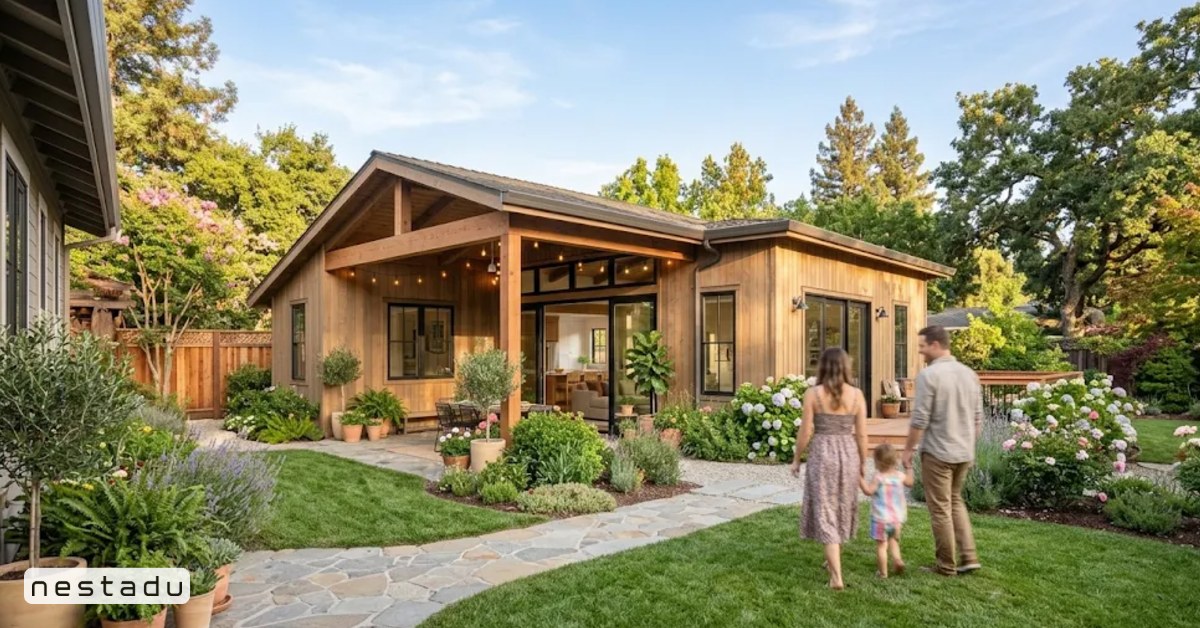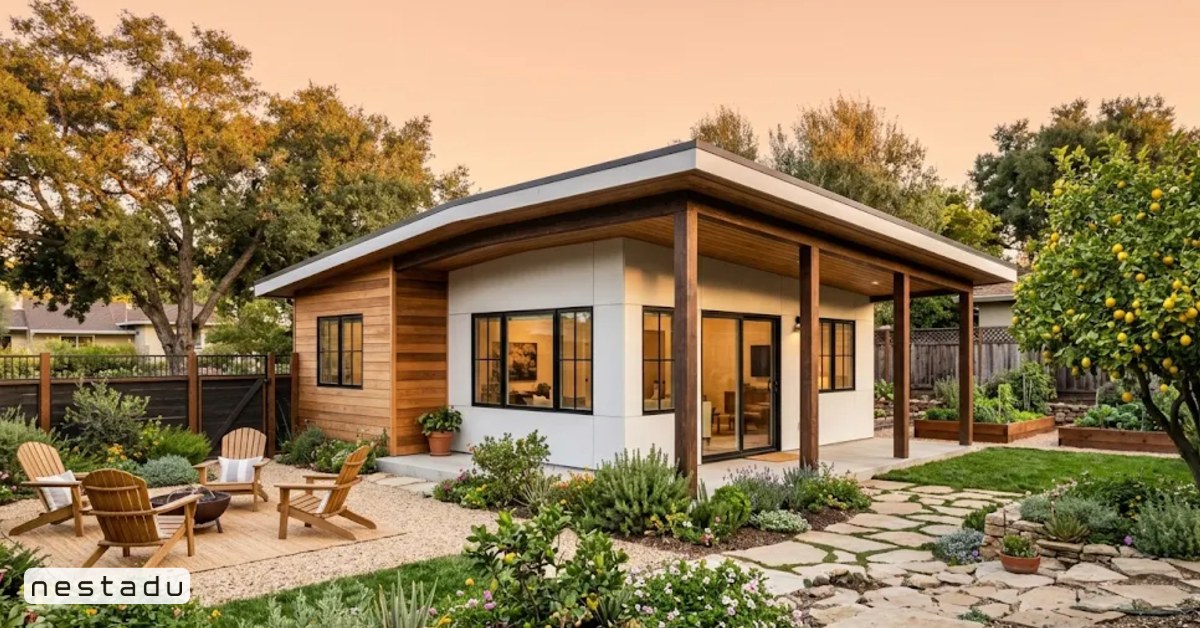
If you are thinking about building an accessory dwelling unit in California, the HCD ADU Handbook is the single most useful rulebook you can read. It is published by the California Department of Housing and Community Development (HCD), and it explains the state laws that every city and county must follow when they review ADU and JADU projects.
The trouble is that the handbook is long and written for planners as much as homeowners. This guide pulls out the parts that matter most when you plan a backyard home. For a broader overview of the law, you can also read our California ADU laws guide. Here, we focus on what the HCD ADU Handbook says about size, setbacks, height, parking, fees, and what to do if your city does not follow state law.
What Is the HCD ADU Handbook?
The HCD ADU Handbook is the state’s official guide to Accessory Dwelling Unit and Junior ADU laws. HCD updates it when new laws pass. The most recent edition, updated in March 2026, reflects rules that took effect on January 1, 2026. You can download the current PDF and translations from the official HCD handbook page.
The handbook does three main jobs:
- It explains the state ADU and JADU laws in one place
- It shows local agencies how to write ADU ordinances that comply with state law
- It helps homeowners, builders, and lenders understand what cities can and cannot require
Think of it as the floor. Cities can be more generous than the handbook allows, but they generally cannot be stricter on the protected items.
Why the Handbook Matters for Homeowners
Local ADU rules vary a lot. One city may allow 1200 square foot backyard homes, while the next town over caps them lower. When a local rule seems to block your project, the handbook helps you check whether that rule lines up with state law.
HCD also reviews local ADU ordinances. If HCD finds that an ordinance does not comply with state law, the city must respond to HCD’s written findings within 30 days. That oversight gives homeowners real support when a local rule goes too far.
The handbook also helps you plan your budget and timeline. Once you know which rules your city must follow, you can set a realistic size, pick a layout that fits the setbacks, and avoid paying a designer to draw plans that will never pass review. Lenders and appraisers often use the same state rules, so reading the handbook early puts you on the same page as everyone involved in your project.

Key ADU Rules From the HCD Handbook
Below are the topics most homeowners ask about. These are general state standards. Your city may allow more, and some details depend on lot type, so always confirm with your local planning office.
ADU Size Limits
State law sets minimum sizes a city must allow. Cities must allow a detached ADU of at least 800 square feet. Beyond that, the floor a city must allow is typically 850 square feet for a studio or one-bedroom detached ADU and 1000 square feet for two or more bedrooms. Many cities allow up to 1200 square feet. Attached ADUs are usually limited to 50% of the main home’s floor area, but cities must still allow 800 square feet. Our guide on ADU size limits in California goes deeper.
JADU Size Limits
A Junior ADU is a smaller unit, up to 500 square feet, built inside the walls of the main home. JADUs are a low-cost way to add a rental or a space for family. See the difference between JADUs and ADUs for a full comparison.
Setbacks
For new detached ADUs, cities generally cannot require side and rear setbacks greater than 4 feet. That rule makes ADUs possible on many narrow lots. Our post on ADU setback requirements covers common questions.
Height
Detached ADUs can typically be at least 16 feet tall. Near transit, the allowed height is often 18 feet, plus up to 2 more feet for a roof pitch that matches the main home. Attached ADUs may reach 25 feet in some cases. Height rules depend on location, so check your parcel.
Parking
The handbook covers parking replacement rules and the many situations where cities cannot require new parking for an ADU, such as projects near transit. Recent laws also stop many cities from requiring replacement parking when a garage or uncovered space is converted or removed for an ADU.
Impact Fees
The handbook explains limits on impact fees. Smaller ADUs often qualify for fee exemptions, while larger ones may pay fees that are scaled to the size of the main home. Ask your city for a fee estimate early.
Quick Reference Table: HCD ADU Basics
| Topic | Typical State Standard | What to Check Locally |
|---|---|---|
| Detached ADU minimum a city must allow | At least 800 sq ft | Whether the city allows up to 1,200 sq ft |
| Detached ADU size floor | 850 sq ft (studio/1-bed), 1,000 sq ft (2+ beds) | Local maximums |
| Attached ADU | Up to 50% of main home, at least 800 sq ft allowed | Lot coverage rules |
| JADU | Up to 500 sq ft inside the home | Owner occupancy rules |
| Side and rear setbacks | No more than 4 ft | Fire and easement limits |
| Height | 16 ft standard, 18 ft near transit | Roof pitch bonus, attached ADU height |
| Impact fees | Exemptions for smaller ADUs | Fee schedule and school fees |
How Local ADU Ordinances Must Follow the Handbook
Every city and county in California can adopt its own ADU ordinance, but it must comply with state law. HCD reviews these ordinances and sends letters when it finds problems. You can see many of these review letters on HCD’s website.
When a local rule seems to clash with the handbook, homeowners can:
- Ask the planning department which state law section supports the rule
- Compare the rule with the matching section of the HCD ADU Handbook
- Talk with your designer or builder about whether the rule applies to your lot
- Submit a question through HCD’s ADU technical assistance portal if the issue remains
Most cities update their ordinances after new laws pass, but the update can lag. That is why a builder who tracks the handbook closely can save you time.
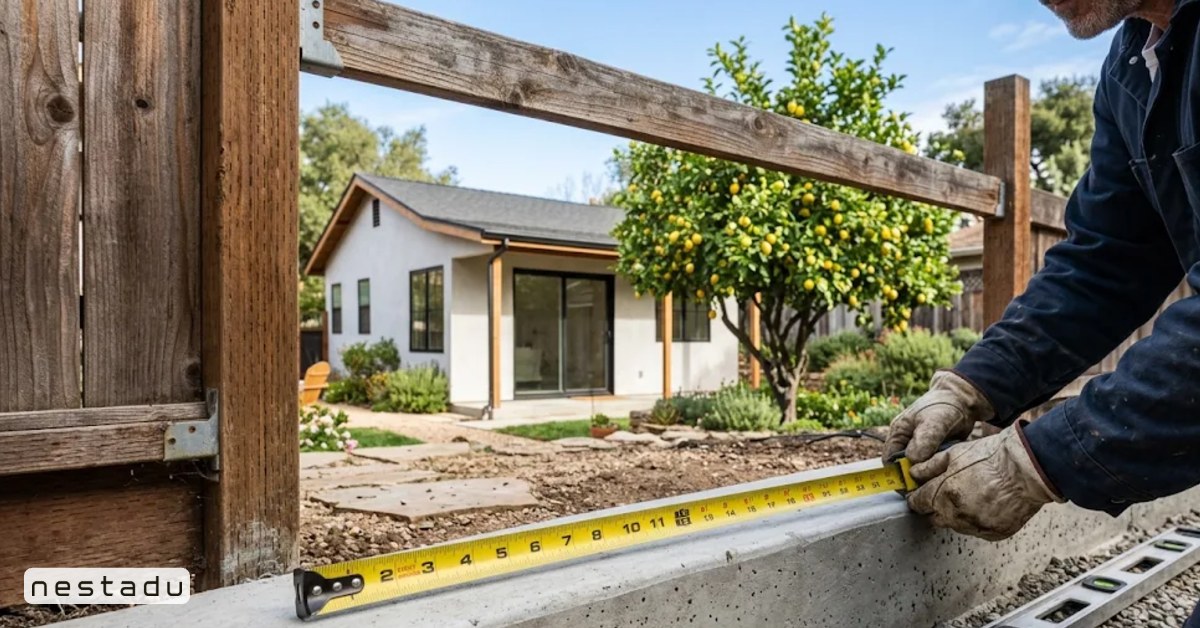
Recent Law Changes Reflected in the Handbook
The handbook is updated as new bills take effect. Recent editions include changes on multifamily ADUs, parking replacement, and sales of ADUs in some situations. For example, SB 1211 expanded the number of detached ADUs allowed on existing multifamily lots, and AB 1033 opened a path for some ADUs to be sold separately where cities opt in. Our article on the new ADU laws summarizes recent updates.
Because laws change often, always check the date on the handbook you are reading. A 2022 copy, for instance, will miss rules that took effect in 2025 and 2026.
How to Use the Handbook When Planning Your ADU
You do not need to read every page. A simple plan works well:
- Start with the summary of recent changes at the front
- Read the sections on size, setbacks, height, and parking
- Note any rule your city’s ordinance seems to contradict
- Bring your notes to your first meeting with a designer or builder
Pair the handbook with your city’s ADU page and a site visit. Lot shape, slope, trees, utilities, and fire zones all affect what you can build, and the handbook cannot answer those questions for your specific property.
Frequently Asked Questions About the HCD ADU Handbook
Where can I download the HCD ADU Handbook?
The current edition is on the HCD website’s ADU handbook page, with the English PDF and translated versions. Make sure you use the latest update.
How often is the handbook updated?
HCD updates it after new ADU laws take effect. The latest edition was released in March 2026 and reflects laws effective January 1, 2026.
Is the handbook legally binding?
The handbook explains state law, which is binding. The handbook itself is guidance, but cities rely on it heavily, and HCD uses it when it reviews local ordinances.
What if my city’s ADU rules are stricter than the handbook?
Ask the city to explain the rule, compare it with state law, and consider contacting HCD’s technical assistance team. Some stricter rules are allowed, while others are not.
Does the handbook cover Junior ADUs?
Yes. It covers both ADUs and JADUs, including the 500 square foot JADU limit.
Do I still need a permit if my ADU follows the handbook?
Yes. Every ADU needs a building permit. Our post on getting an ADU permit explains the steps.
Building a Handbook-Compliant ADU With Nestadu
The HCD ADU Handbook gives California homeowners strong rights, but turning those rules into an approved, well-built ADU takes local know-how. Nestadu is a licensed California ADU builder that manages design, permits, and construction for detached ADUs, attached ADUs, JADUs, and garage conversions across the Bay Area, Sacramento, Los Angeles, and San Diego. We check your lot against state law and your city’s ordinance before design starts, so there are fewer surprises later. Contact us to talk through your property.
You can also read client reviews and get directions on Nestadu’s Google profile.
Nestadu
100 Shoreline Hwy, Suite 100, Building B, Mill Valley, CA 94941
Phone: (888) 637-8238
Email: info@nestadu.com
CSLB 1117837 | HCD DL1611393