
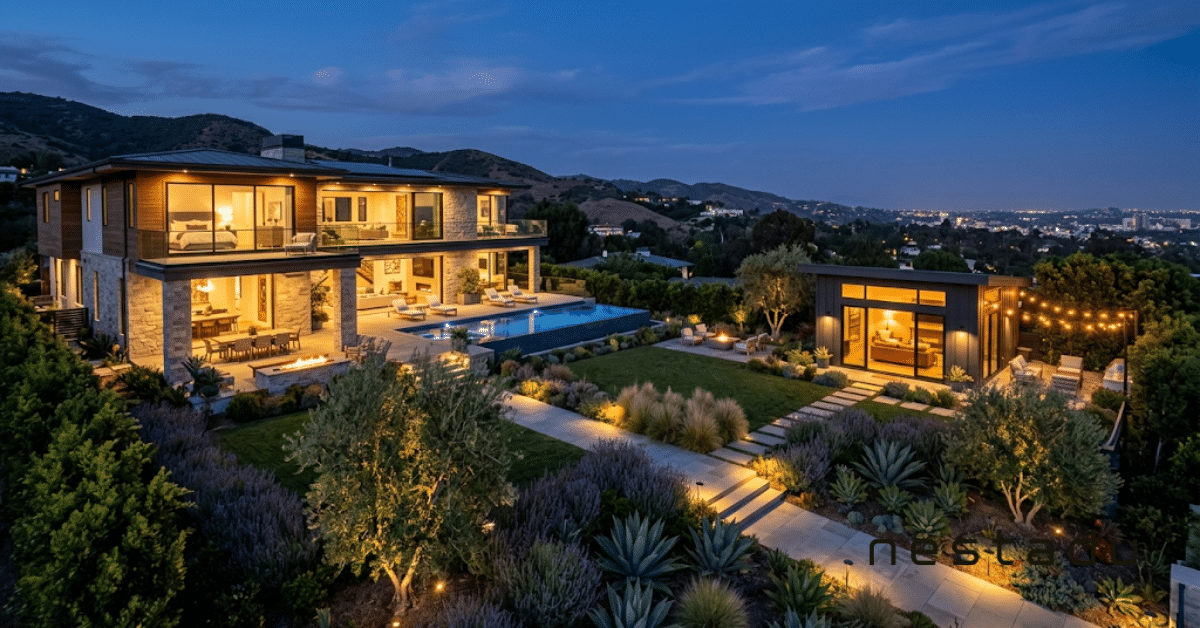
Can an ADU increase property value? Yes. An ADU increases property value in three ways: it adds permanent livable square footage, it creates rental income an appraiser can count, and it attracts more buyers. Commonly cited estimates put the gain around 20 to 30 percent, though the real figure depends on your market and comparable sales. Our custom ADU designs are built with that value in mind.
Key Takeaways
- Three value drivers. Added square footage, rental income, and stronger buyer demand.
- Often 20 to 30 percent. A common range in California, but it varies by market.
- Appraisers use two methods. Comparable sales and the income the unit can earn.
- Quality and permits matter. A permitted, well-built unit adds far more than a cheap one.
- Not guaranteed. Thin comparable sales can hold the appraised value below build cost.
The Three Ways an ADU Adds Value
An ADU does not raise your property value by accident. It works through three clear mechanisms, and understanding them helps you build for the most return.
First, square footage. An ADU adds permanent, finished living space, and more livable area is one of the strongest drivers of appraised value. Second, income. A rentable unit turns your home into an income-producing property, which buyers and appraisers both reward. Third, demand. A legal second unit opens your home to investors, multi-generational families, and remote workers at once.
Research from UC Berkeley’s Terner Center ties the ADU surge directly to this demand, as ADUs now make up a large share of new housing the state approves. Few home projects pull all three levers at the same time.
How Much Value Does an ADU Add?
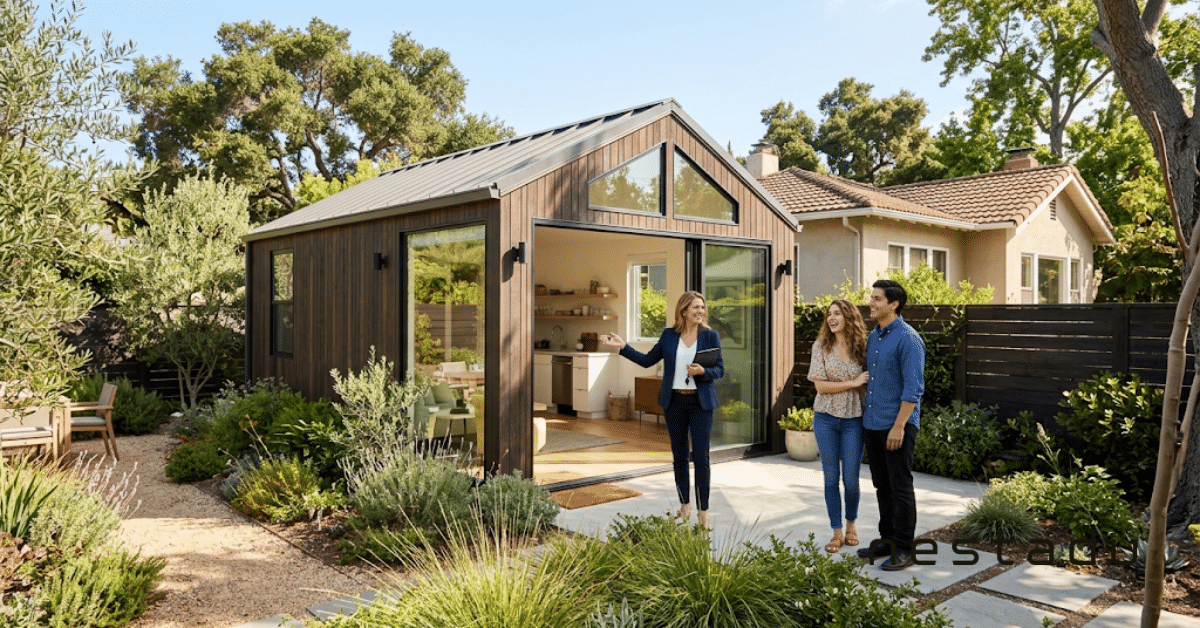
You will see a lot of confident percentages online. The honest answer is that it depends. Commonly cited estimates put the increase around 20 to 30 percent of a home’s value, and in high-demand California markets that can hold true.
But the real number comes from your local market, not a blog average. Freddie Mac research has found that homes with ADUs do sell, and buyers pay for the extra unit. How much depends on comparable sales nearby and the income the unit can earn.
How an ADU’s Value Shows Up
| Value driver | How it raises your home’s worth |
| Added square footage | More finished living area lifts appraised value |
| Rental income | Steady income can be factored into value |
| Buyer demand | Investors and families pay a premium |
| Scarcity | Few homes offer a legal second unit |
Treat the 20 to 30 percent figure as a starting point, not a promise. A well-placed, well-built ADU in a strong rental market has the best chance of landing near the top of that range. A cheap or unpermitted one can add far less.
How Appraisers Actually Value an ADU
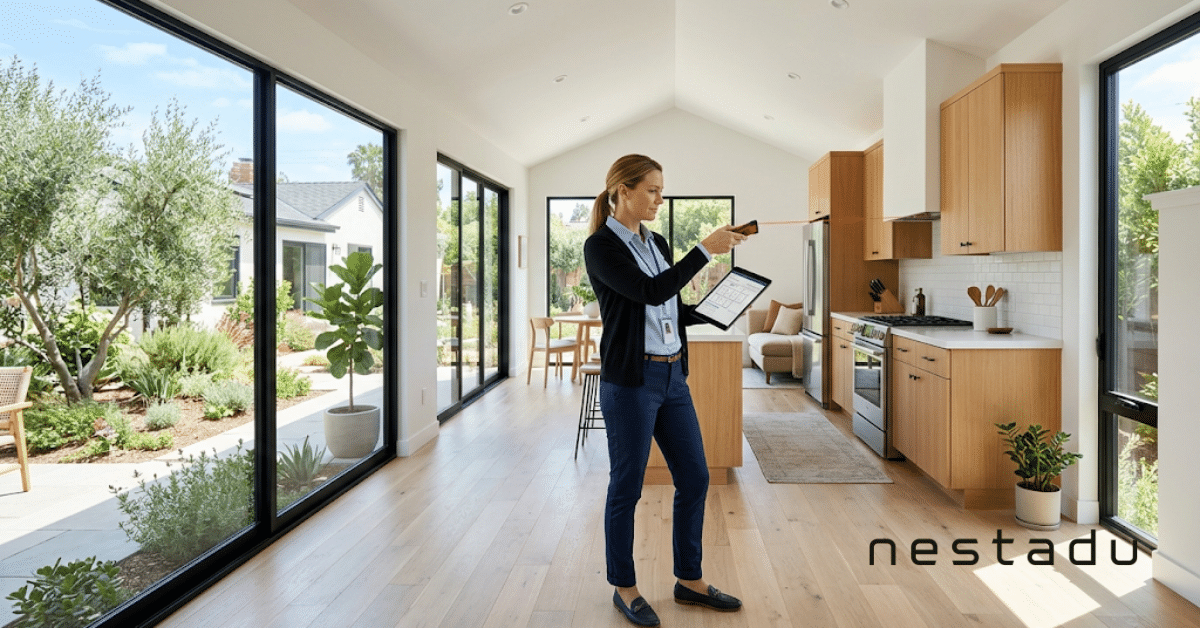
This is the part most articles skip, and it is the part that decides your real gain. When an appraiser values a home with an ADU, they usually lean on two methods, guided by the standards of the Appraisal Institute.
The first is the sales comparison approach. The appraiser looks for recent sales of similar homes that also have an ADU. If several exist nearby, they can price the ADU’s contribution with confidence, and your value holds up well. Our breakdown of how ADU value is calculated goes into more detail.
The second is the income approach. For a unit that is rented or clearly rentable, the appraiser weighs the income it produces. Steady, documented rent supports a higher value. The catch is comparable sales. In a neighborhood where few homes have an ADU, the appraiser has little to compare against, and the contributory value can land below what you spent to build. That is the honest risk, and it is why market and design matter so much.
What Maximizes the Value an ADU Adds
You have real control over how much value your ADU adds. These choices make the difference between a unit that pays back and one that disappoints.
- Pull permits. Only a legal, permitted unit counts fully toward appraised value.
- Give it a private entrance. A separate entry makes the unit rentable, which adds the income value.
- Build quality that lasts. Durable finishes and efficient systems hold value for years.
- Add a full kitchen and bath. A complete, independent home is worth more than a bonus room.
- Keep the design flexible. Neutral layouts suit tenants, family, and future buyers alike.
Our prefab ADU models and custom builds are designed around exactly these value drivers, so the unit works as both a home and an investment.
The Honest Caveats
Value is the headline, but a few realities deserve a straight answer. In markets with few comparable ADU sales, the appraised value can come in below your build cost, at least until more units sell nearby. Over time, as ADUs spread, that gap tends to close.
There is also such a thing as over-improving. A very expensive, oversized ADU on a modest street may not return its full cost. The strongest value comes from a well-sized, well-built unit that fits its neighborhood and earns rent. Build for the market you are in, not a fantasy one.
Want a realistic read on your property? Call Nestadu at (888) 637-8238 and we will talk through what an ADU could add on your street.
Frequently Asked Questions
How much will an ADU increase property value?
Commonly cited estimates put the increase around 20 to 30 percent in California, but the real figure depends on your local market and comparable sales. A permitted, rentable, well-built unit in a high-demand area lands near the top of that range. A cheap or unpermitted one adds far less.
Is an ADU worth the investment?
For most California homeowners, yes. Between rental income and added resale value, a well-built ADU usually pays back over several years and keeps earning. The return is strongest in high-demand rental markets with other ADUs nearby to support the appraisal.
Is it harder to sell a house with an ADU?
Usually not, and a legal unit often helps. It adds a feature few nearby listings have, which can set your home apart. Appraisers and lenders want it permitted and built to code, so an unpermitted ADU can drag down both the sale and the value.
Is adding an ADU tax deductible?
The build itself is not directly deductible, but renting the unit opens up deductions like repairs, insurance, and depreciation. Only the new ADU is reassessed for property tax, not your whole home. Confirm the specifics with a tax professional, since it depends on how you use the space.
What are the downsides of an ADU?
The main downsides are upfront cost, months of construction, and a higher property tax bill. In markets with few comparable sales, the appraised value may trail the build cost at first. For most owners, income and long-term value outweigh these over time.
Build an ADU That Pays You Back
An ADU can add real, lasting value to your property, but the gain is earned, not automatic. Permit it, build it well, make it rentable, and size it for your neighborhood, and you turn backyard space into one of the strongest investments your home can hold.
Call Nestadu at (888) 637-8238 for a free 15-minute consultation and we will give you an honest estimate of the value an ADU could add to your property. You will talk with our team, not a call center. We serve the Bay Area, Sacramento, Los Angeles, and San Diego. You can also request a free ADU consultation or browse our ADU floor plans online.
Nestadu
100 Shoreline Hwy, Suite 100, Building B
Mill Valley, CA 94941-3645
Phone: (888) 637-8238
Email: info@nestadu.com
Hours: Mon to Fri 1:00 PM to 4:00 PM, Sat to Sun Closed
Service area: California (Bay Area, Sacramento, Los Angeles, San Diego)
License: CSLB 1117837 | HCD DL1611393
About the author: Bret Ashworth is the CEO of Nestadu, a licensed California general contractor building custom and prefab ADUs across the state. You can meet our team to learn more. This article is general information, not appraisal or financial advice.