
How Might ADU Regulations Change in the Coming Years?
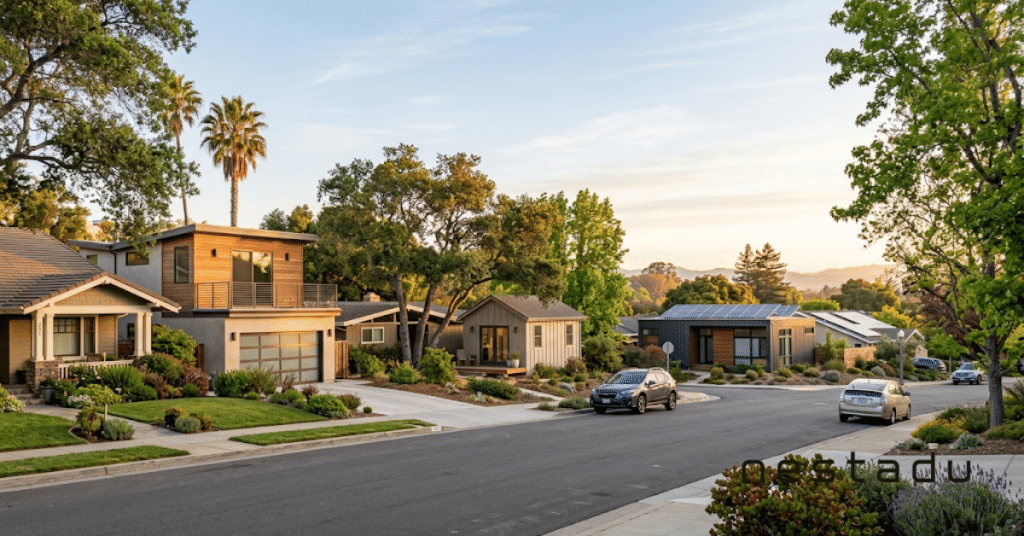
When ADU regulations change in California, they keep moving one direction: fewer barriers and faster approvals. In the coming years, expect wider rules letting owners sell an ADU separately, stronger state enforcement against cities that resist, more pre-approved plans, and likely renewed funding. The trend has held for a decade. Our custom ADU designs are […]
What Are the Permit Requirements for Building an ADU in California?
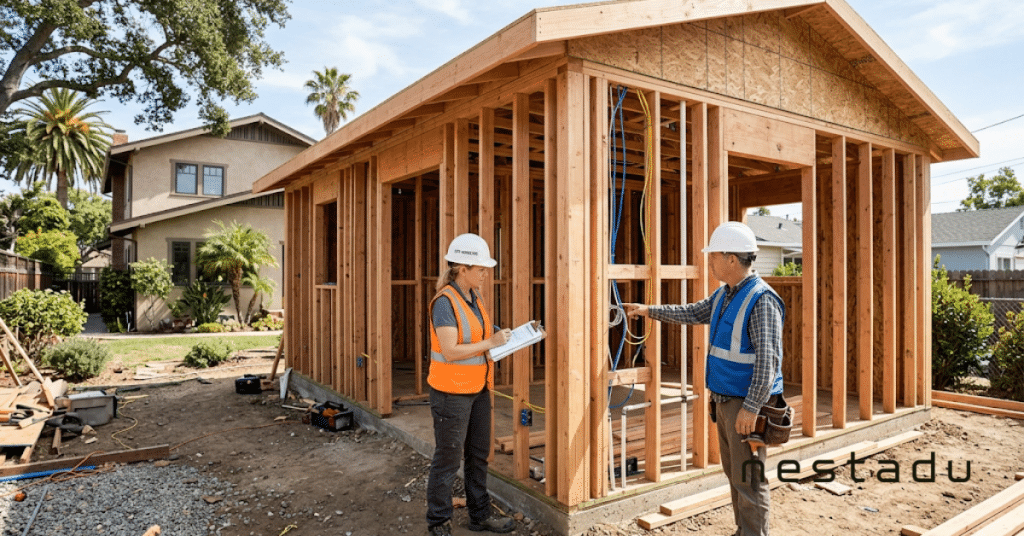
The permit requirements for building an ADU in California are clear: you need a building permit plus electrical, plumbing, and mechanical permits, backed by a full plan set that meets the state energy code. State law requires cities to review a complete application within 60 days, with no public hearing. Our permit process handles the […]
How Do ADUs Benefit Homeowners?
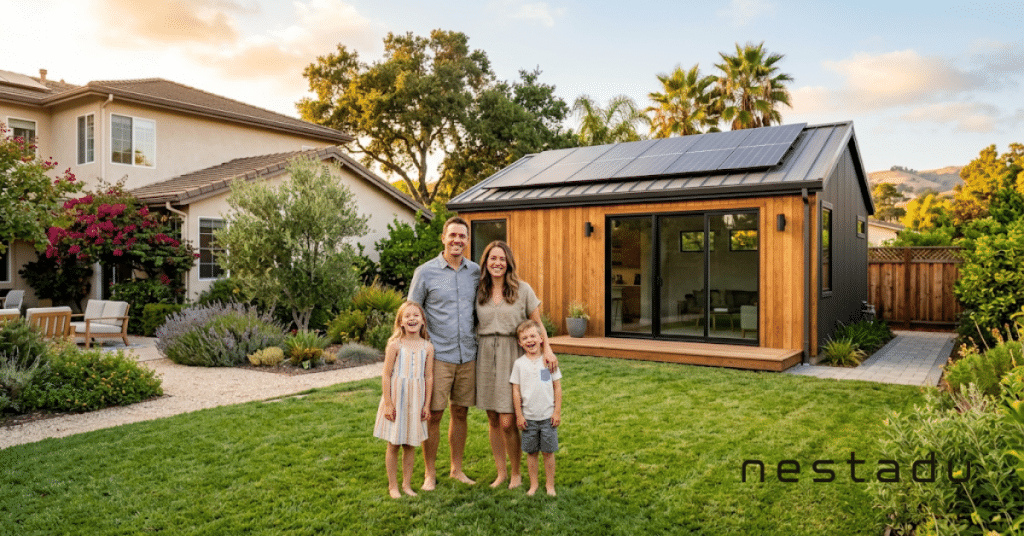
ADUs benefit homeowners in four big ways. They raise your property value, bring in rental income, let you house family for far less than assisted living, and give you flexible space on land you already own. They also carry real tax advantages. Our custom ADU designs are built to deliver all of it. Key Takeaways […]
How Do Zoning Laws Affect ADU Construction?
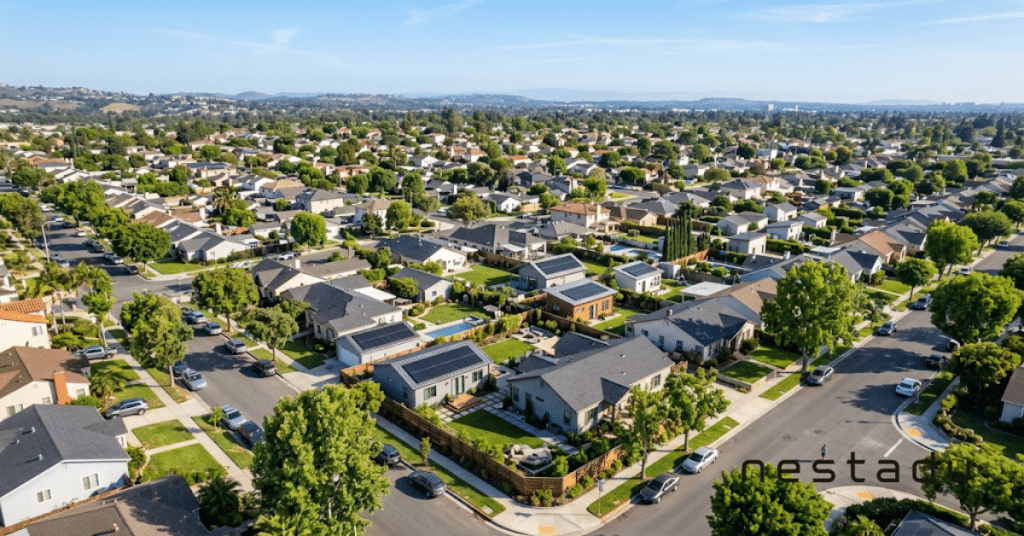
Zoning laws affect ADU construction by setting where and how big your ADU can be, but in California state law now limits how much cities can restrict you. Local rules on setbacks, height, and lot coverage still apply, yet cities cannot ban ADUs on most residential lots. Our build process handles the zoning and permits […]
How Does an ADU Offer Flexible Living Arrangements?
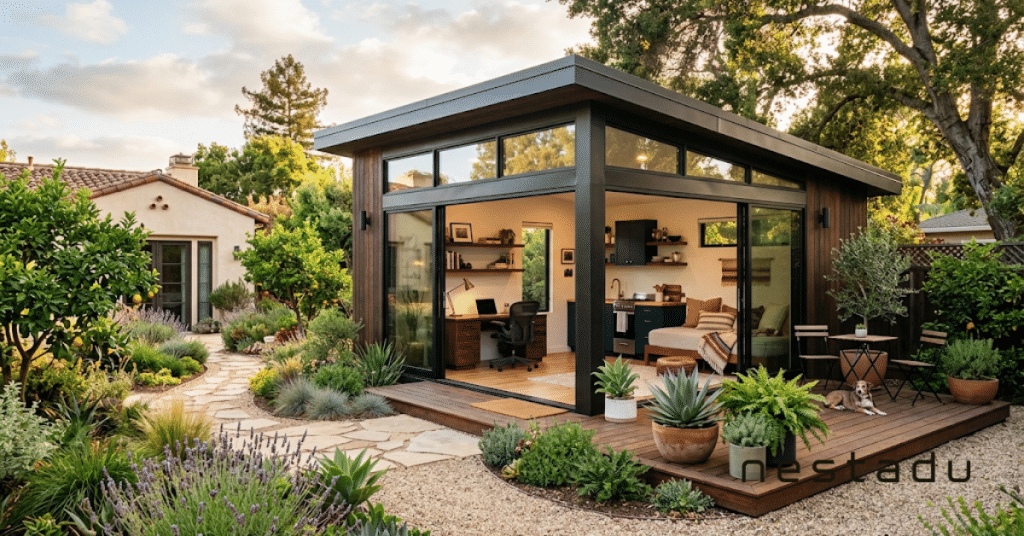
An ADU offers flexible living arrangements because one small, self-contained home can serve many purposes and change roles as your life changes. It can house aging parents, shelter adult children, earn rental income, or become a quiet home office, then shift to a new use years later. Our ADU floor plans are drawn to adapt. […]
How to Vet an ADU Builder’s Credentials and Experience
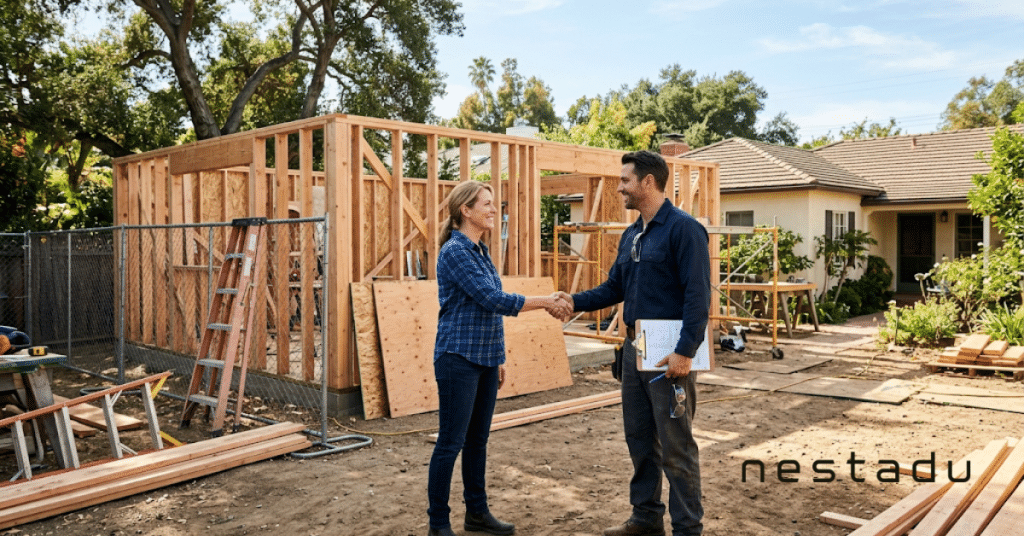
To vet an ADU builder, verify their contractor license on the CSLB website, confirm they carry insurance and a bond, and check they have actually built ADUs, not just general projects. Then review real finished units, compare written bids, and read the contract closely before you sign. Our custom ADU builds are handled by a […]
Are There Any Financial Incentives for Building an ADU?
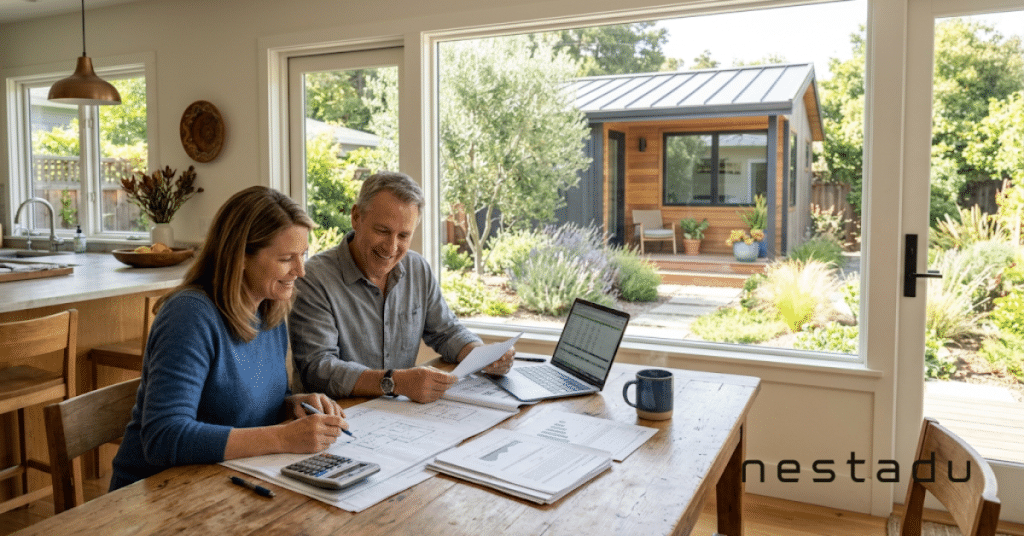
Yes, there are financial incentives for building an ADU, but the picture has changed. California’s headline $40,000 CalHFA grant has been paused since late 2023, with no open round right now. The real incentives today are impact fee waivers, favorable property tax treatment, rental income tax deductions, and ADU-specific loans. Our ADU financing options help […]
What Is It Like to Live in an ADU?
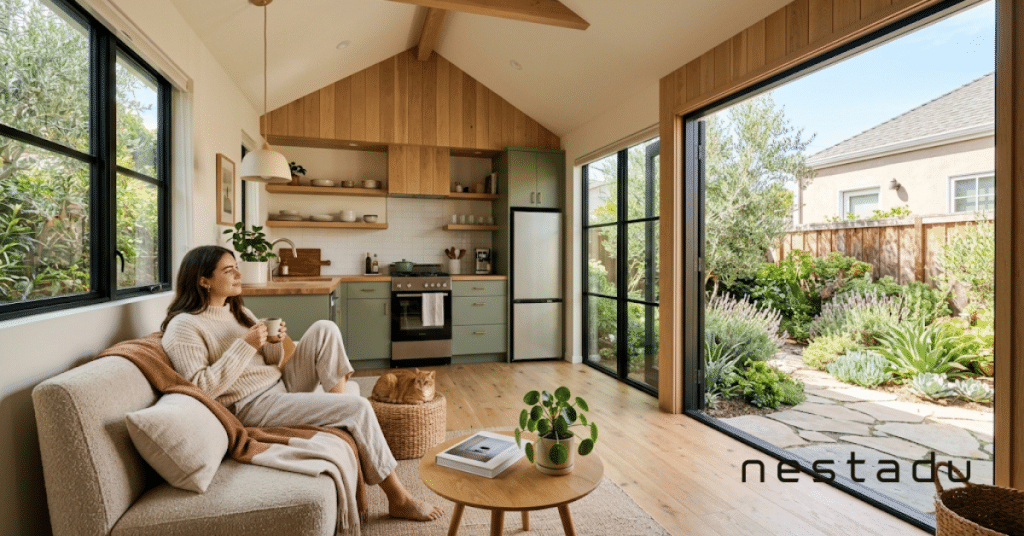
To live in an ADU is like having your own small, private home. You get a separate entrance, your own kitchen and bathroom, and often a patch of yard, usually with lower bills than a comparable apartment. The trade-off is less space and closer neighbors. Our ADU floor plans show how that square footage gets […]
What Are the Future Trends for ADU Development in California?
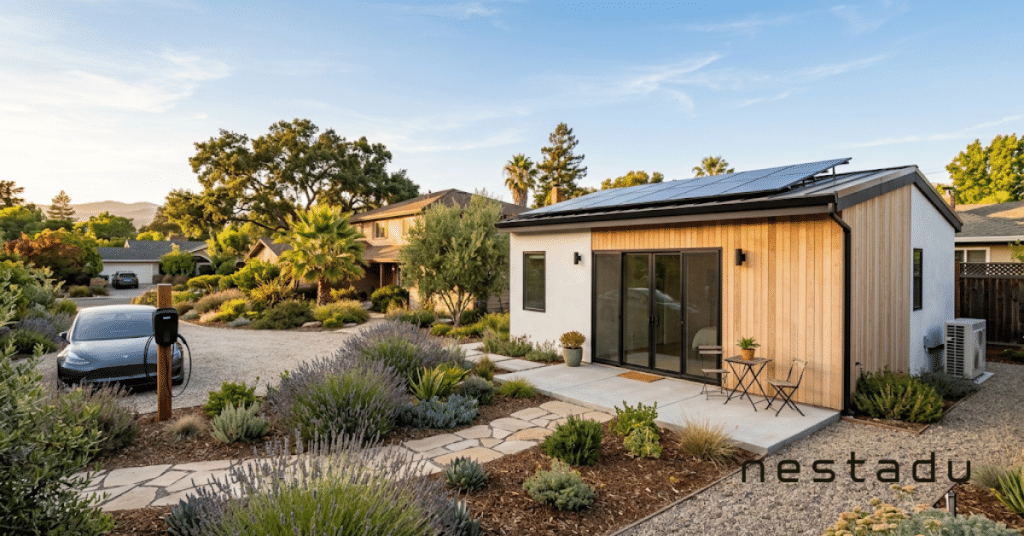
The future of ADU development in California points to more multi-family and junior units, faster prefab and modular builds, all-electric and solar-ready designs, and simpler financing. State law keeps loosening, permits keep climbing, and homeowners keep adding units for rental income, aging parents, and remote work. Our custom ADU builds reflect every one of these […]
Selling a Home with an ADU: What Buyers Need to Know
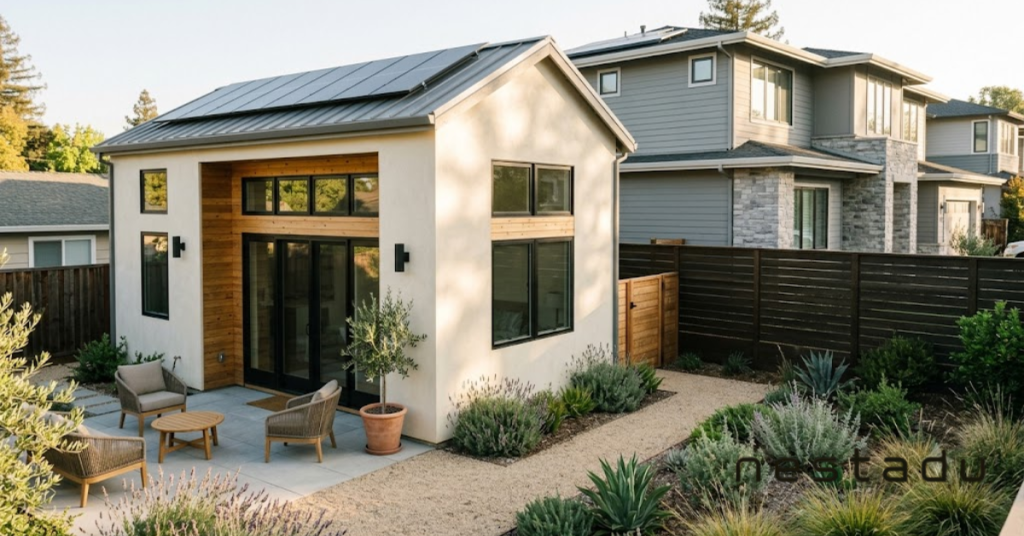
A home with an ADU sells into a different market than the house next door. It attracts investors, multigenerational families, and buyers who can now count the rental income toward their loan qualification. It also invites a level of scrutiny that standard listings never face. Buyers and their lenders will ask questions about permits, income, […]