
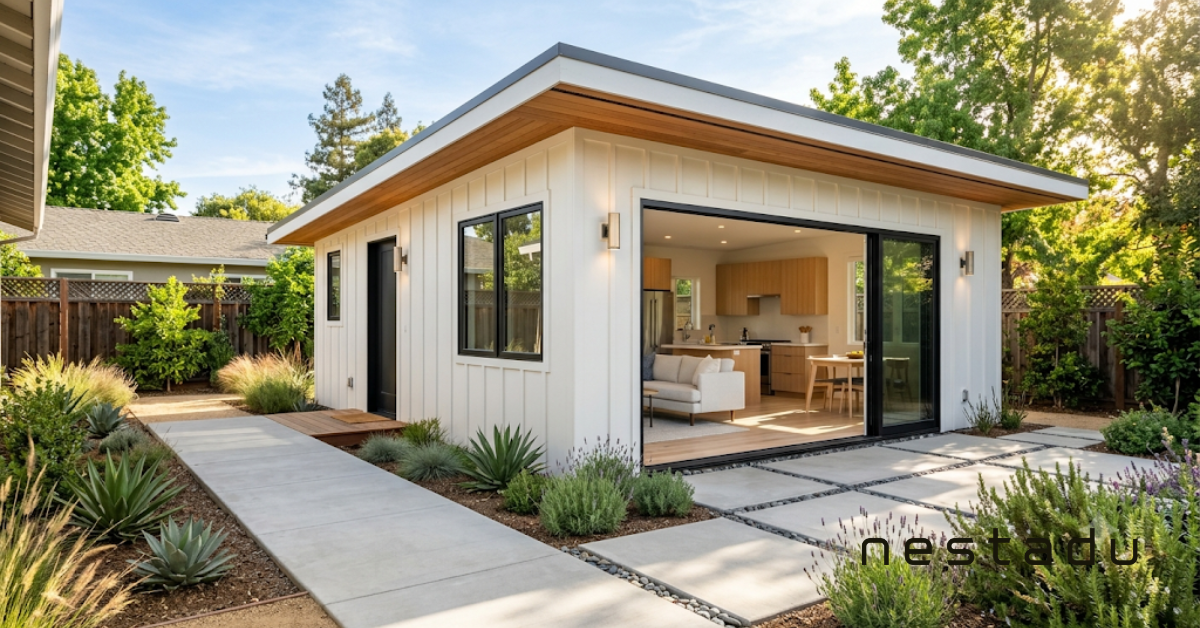
For most California homeowners, using the builder’s in-house designer is the faster and cheaper route. Hiring an independent designer makes sense when the project has unusual architectural demands or you want a second set of eyes on the numbers before construction pricing is locked.
The real question is not which produces prettier drawings. It is who carries the blame when a plan gets rejected at the counter or a detail turns out to be unbuildable.
The Two Models, Explained Plainly
An ADU project runs on one of two structures, and the difference is contractual rather than creative.
Design-build means one company handles design, permitting, and construction under a single agreement. Design-bid-build means you hire a designer first, take the finished plans out to contractors, and sign a second contract for the build.
- Design-build: one contract, one point of contact, one party responsible for the outcome
- Design-bid-build: two contracts, two teams, and a handoff between them
- Hybrid: an independent designer produces concept drawings, and the builder’s team completes construction documents
Nestadu operates on the design-build model, which is why permitting, structural, and construction sequencing all get decided in the same room.
Why Most Homeowners Use the Builder’s Designer
The strongest argument is accountability. When one company draws the plans and builds from them, there is nobody to point at if something does not work.
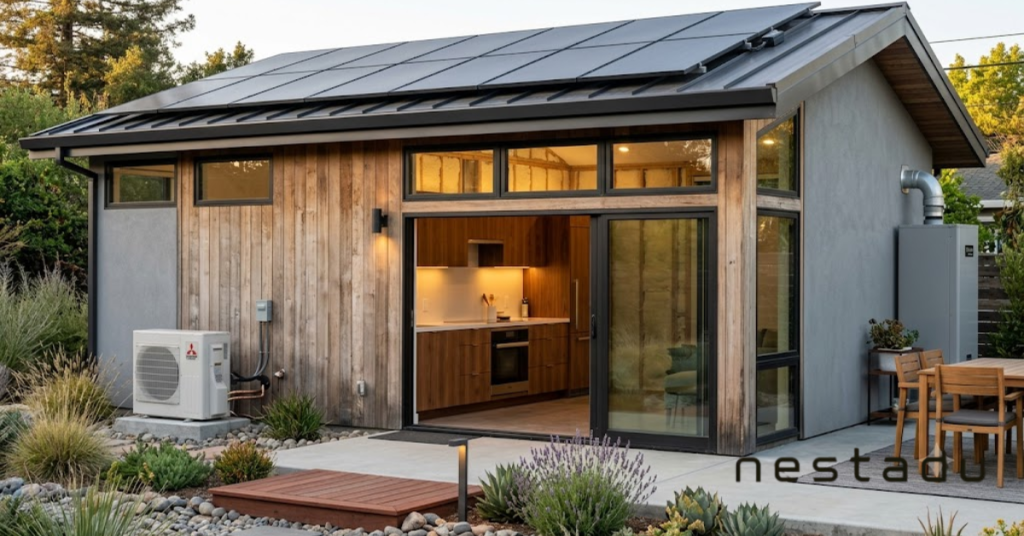
Builders’ designers also draw with construction cost in mind. They know what a particular roof detail costs to frame and which window package the supplier actually stocks, so the design that leaves the office is one that can be built for the number you were quoted.
- No blame gap. A design flaw becomes the builder’s problem to fix, not a dispute between two firms.
- Realistic budgets. Plans are priced as they are drawn instead of after the fact.
- Faster permitting. The team already knows what your specific building department expects to see.
- Fewer change orders. Constructability issues get caught on paper, not on site.
- One timeline. Design does not finish and then sit while you shop for a contractor.
When an Separate ADU Designer Is Worth It
Independent designers earn their fee on projects where architecture is the point. A hillside lot, a heritage-style main house, or a highly specific interior vision benefits from someone whose only job is design.
You also get genuine separation of interests. An independent designer has no incentive to specify materials a particular builder happens to stock or to draw around a crew’s habits.
- Complex or constrained sites where creative problem-solving drives the whole design
- Strong architectural preferences that go beyond a builder’s standard catalogue
- Competitive bidding where you want several contractors pricing identical drawings
- Existing relationship with an architect who already knows your property
The Comparison That Actually Matters
| Factor | Builder’s Designer | Independent Designer |
| Upfront design cost | Often bundled into the build | $5,000 to $20,000 separately |
| Timeline | Shorter, no handoff gap | Longer, sequential phases |
| Accountability | Single party | Split between two firms |
| Design flexibility | Within the builder’s range | Wider creative scope |
| Budget accuracy | Priced during design | Priced after drawings finish |
| Change order risk | Lower | Higher |
Where Split Teams Usually Break Down
The failures are predictable, and they almost always happen at the seam between the two contracts.
A designer produces beautiful plans without pricing them against real construction costs. Bids come back forty percent over budget, and you pay for a redesign or start cutting scope from a plan that was never built around your number.
The second common failure is permit ping-pong. Plan check issues a correction, the designer says it is a construction detail, the builder says it is a drawing error, and your file sits untouched for weeks while they sort it out.
- Budget shock at bid time, because nobody priced the design while it was being drawn
- Correction disputes where neither party owns the fix
- Structural conflicts discovered after framing begins
- Warranty ambiguity on anything that traces back to a design decision
- Schedule drift from the dead time between design completion and contractor selection
What It Costs Each Way
Independent ADU design in California typically runs $5,000 to $20,000, depending on complexity and whether structural engineering and Title 24 compliance are included. That is a standalone expense paid before construction pricing exists.
Design-build firms usually fold design into the project cost or charge a smaller design fee that credits toward the build. The total is often lower, though it is bundled rather than itemized, which some homeowners find harder to compare.
- Independent designer: $5,000 to $20,000, paid separately
- Structural engineering: $1,500 to $4,000 if not included above
- Title 24 energy report: $500 to $1,500
- Design-build package: typically bundled, sometimes credited against construction
Ask any firm to break out what the design fee covers. Concept drawings alone are very different from a permit-ready set with engineering and compliance documentation.
Questions to Ask Before You Decide
The decision gets easier once you know what each option includes. Ask both a builder and a designer the same questions and compare the answers side by side.
- Does the fee cover permit-ready construction documents or concept drawings only?
- Are structural engineering and Title 24 compliance included?
- Who handles plan check corrections, and is that time already paid for?
- How many projects have you permitted in my specific city?
- What happens to the schedule if the design comes back over budget?
- Can I see a plan set you submitted that cleared plan check in one round?
That last question is the most revealing. Anyone can show you renderings. Far fewer can show you a submittal that a building department accepted without corrections.
How to Choose for Your Situation
Go with your builder’s designer if you want a standard ADU built efficiently on a reasonably straightforward lot. This covers the majority of California ADU projects, and the coordination advantage is real.
Hire independently if your lot is difficult, your design vision is specific, or you genuinely intend to run a competitive bid across multiple contractors with identical drawings.
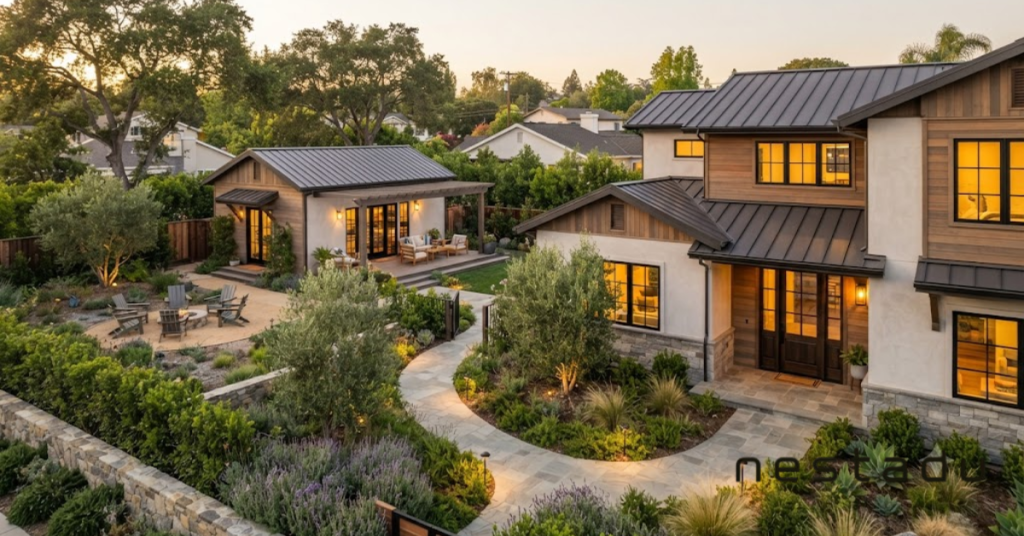
The hybrid path suits homeowners who want both. An independent designer sets the concept, then the builder’s team produces the construction documents and carries the project through permitting and build.
How Nestadu Approaches ADU Design
Our designers and construction team work on the same projects, in the same meetings, from feasibility onward. Roof structure, electrical service, solar compliance, and setback constraints all get resolved before drawings go to plan check.
That means the design you approve is the design that gets built for the price quoted. If plan check returns corrections, Nestadu handles them without a second invoice or a dispute over whose responsibility it was.
Making the Call on Your ADU
The choice comes down to how much design complexity your project actually carries and how much coordination risk you want to manage yourself. Straightforward lots and standard layouts rarely justify a separate designer.
If your ADU has genuine architectural challenges, an independent designer earns the fee. If it does not, a design-build team gets you to a permit faster and with fewer surprises.
Contact Nestadu for a free feasibility review. We will assess your lot, outline what your project realistically needs on the design side, and give you an honest answer even if that answer points elsewhere.
Frequently Asked Questions
Do I need an architect for an ADU in California?
Not always. Many cities accept plans from a licensed contractor or designer, though structural elements require an engineer’s stamp. Complex or multi-story units generally benefit from architectural involvement.
Is a design-build ADU cheaper than hiring separately?
Usually. Design fees are often bundled or credited toward construction, and fewer change orders arise because plans are priced while they are drawn. Total cost varies by project complexity.
Can I bring my own designer to a design-build company?
Many will accept it, though they may need to review or redraw portions to meet their construction standards. Ask upfront how they handle third-party plans and whether it affects their warranty.
Who is responsible if the plans get rejected by the city?
With a design-build firm, they are. With separate contracts, responsibility depends on whether the correction is a drawing issue or a construction detail, which is exactly where disputes tend to start.
How long does ADU design take?
Typically four to ten weeks for a permit-ready set. Separate design and build contracts add time at the handoff while you solicit and compare construction bids.