

If you’ve been exploring alternative housing options, you’ve probably come across the term “THOWs.” These compact, mobile living spaces have captured the imagination of people looking to downsize, simplify, or create flexible housing solutions. But what are THOWs, and are they the right choice for your needs?
Let’s dive into everything you need to know about Tiny Houses on Wheels and how they compare to more permanent options like accessory dwelling units.
Understanding THOWs: The Basics
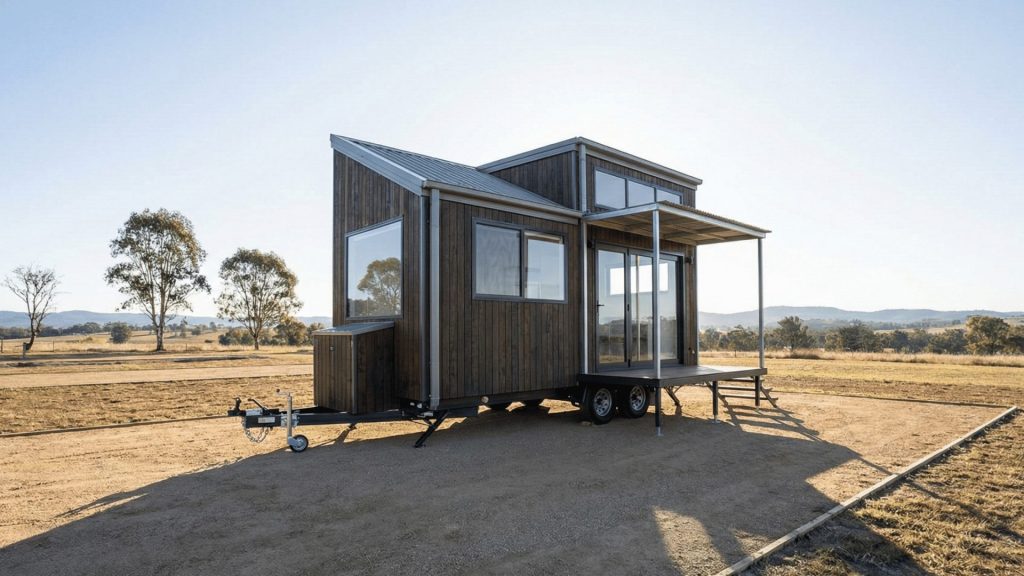
THOWs stands for Tiny Houses on Wheels. These are small, fully functional homes built on trailer chassis, designed to be mobile while providing all the essential amenities of traditional housing. Unlike RVs or campers, THOWs are typically constructed using residential building materials and methods.
Most THOWs range from 100 to 400 square feet. They’re built to be towable, which means you can relocate them if your living situation changes. This mobility is one of their biggest selling points for people who value flexibility.
The tiny house movement gained serious momentum in the early 2000s, driven by people seeking financial freedom, environmental consciousness, and simpler lifestyles. THOWs became a natural extension of this movement, offering the benefits of tiny living with added mobility.
Key Features That Define THOWs
What makes a THOW different from other small dwellings?
- Built on a steel trailer frame with wheels and axles
- Constructed using standard home building materials like wood framing and residential insulation
- Include full kitchen facilities with appliances, sink, and storage
- Feature a complete bathroom with shower, toilet, and vanity
- Designed with sleeping lofts or ground-level bedrooms
- Often include creative storage solutions to make the most of limited space
THOWs typically meet residential building codes rather than RV standards. This means better insulation, stronger construction, and higher quality finishes. Many owners customize their THOWs extensively, choosing everything from flooring materials to window placement.
The design possibilities are nearly endless. Some people opt for rustic cabin aesthetics, while others prefer modern minimalist interiors. Despite the small footprint, a well-designed THOW can feel surprisingly spacious and comfortable.

THOWs vs. ADUs: Making the Right Choice
When considering alternative housing in California, you’ll likely compare THOWs with accessory dwelling units (ADUs). Understanding the differences is important for making an informed decision.
Here’s how they differ:
- Foundation: THOWs sit on wheels and remain mobile, while ADUs are built on permanent foundations
- Size: THOWs typically max out around 400 square feet, but ADUs can be much larger depending on local regulations
- Permits: ADUs require standard building permits and inspections, while THOW regulations vary widely by location
- Property Value: ADUs generally increase property value since they’re permanent structures, while THOWs may not
- Financing: Traditional mortgages and construction loans are available for ADUs, but THOW financing is more limited
Nestadu specializes in building high-quality ADUs that become permanent additions to your property. While THOWs offer mobility, ADUs provide long-term value and appreciation potential that can benefit your investment.
For California homeowners looking to add rental income or flexible living space, ADUs often make more financial sense. They’re easier to rent out legally, qualify for traditional financing, and contribute to your home’s overall value.
Legal Considerations in California
This is where THOWs get complicated. California has specific regulations that can make living in a THOW challenging.
Zoning laws in most California cities don’t recognize THOWs as legal permanent dwellings. You typically can’t park a THOW on residential property and live in it full-time. Many areas classify them as RVs, which come with parking restrictions and time limits.
Common legal hurdles include:
- Restrictions on where you can legally park and occupy a THOW
- Requirements for RV park placement rather than residential properties
- Limitations on utility connections without proper permits
- HOA rules that prohibit THOWs in many neighborhoods
- Building code compliance issues when THOWs don’t meet local standards
Some people find workarounds by parking THOWs on rural properties or in RV parks, but this isn’t a solution for everyone. Before investing in a THOW, research your local regulations thoroughly.
Nestadu helps clients handle the permitting process for ADUs, which are recognized as legal dwelling units throughout California. This makes them a more straightforward option for most homeowners.
Weighing the Pros and Cons
Benefits of THOWs:
- Lower upfront costs compared to traditional construction
- Complete mobility if your circumstances change
- Smaller environmental footprint and reduced utility costs
- Forces a minimalist lifestyle that some people find liberating
- Can be customized to your exact specifications
Drawbacks to consider:
- Legal gray areas and zoning restrictions in most areas
- Difficult to secure traditional financing
- Limited living space that may feel cramped long-term
- Uncertain resale value and smaller buyer market
- Challenges finding legal places to park and live
The reality is that while THOWs work wonderfully for some people, they’re not practical for everyone. Your lifestyle, location, and long-term goals all play important roles in this decision.
Finding the Right Solution for Your Needs
THOWs represent an interesting approach to alternative housing, but they come with significant challenges, especially in California. The legal restrictions and lack of permanent value can make them less appealing than they initially seem.
If you’re looking to add flexible living space, create rental income, or provide housing for family members on your property, an ADU might be the better choice. Nestadu’s experienced team of ADU contractors and designers can help you create a permanent, legal dwelling unit that adds real value to your property.
ADUs offer many of the same benefits as THOWs, like smaller footprints and flexible use, without the legal headaches. They qualify for traditional financing, increase your property value, and provide a permanent solution that meets all local building codes.
Ready to explore your options? Contact Nestadu today to discuss how a beautifully designed accessory dwelling unit can meet your needs while building long-term value for your property.