
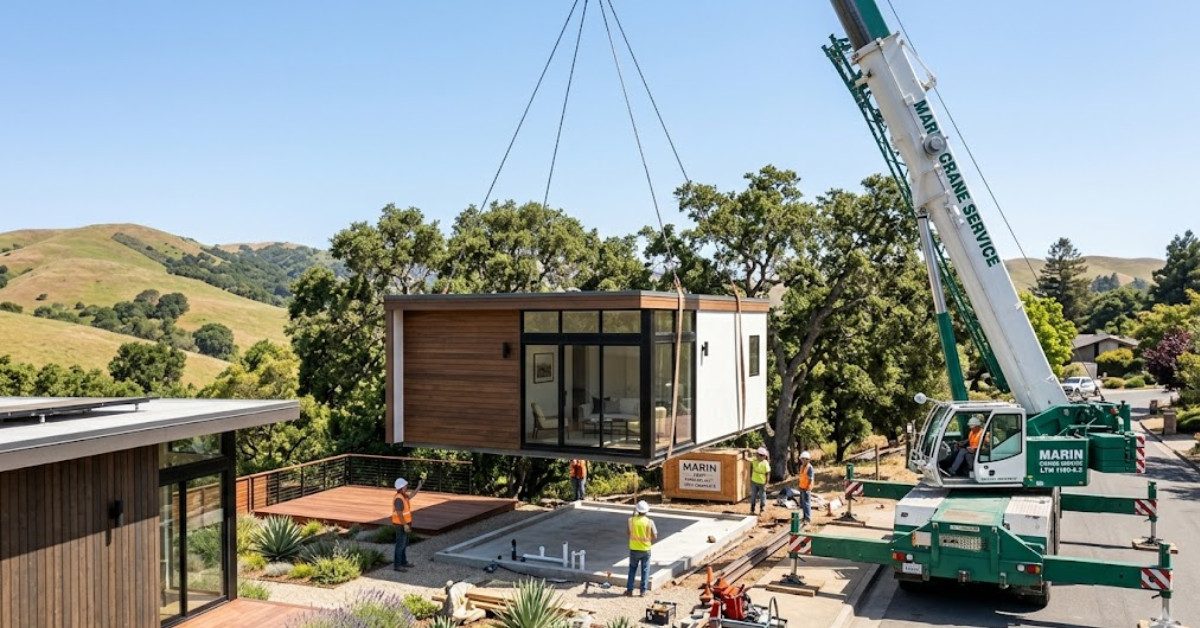
Building an accessory dwelling unit is one of the most rewarding investments a California homeowner can make. But for most people, it is also unfamiliar territory, and not knowing what comes next is what causes the most stress.
This guide walks you through every phase of the ADU construction process so you can start your project informed, prepared, and confident from day one.
Phase 1: Initial Consultation and Site Evaluation
Every ADU project starts with a conversation and a site visit. Your builder will walk your property, assess what is feasible based on your lot size and conditions, and help you understand which ADU type makes the most sense for your goals and budget.
At Nestadu, we use this phase to set honest expectations from the beginning. We talk through your intended use, whether that is a rental unit, an in-law suite, or additional living space, before a single plan is drawn.
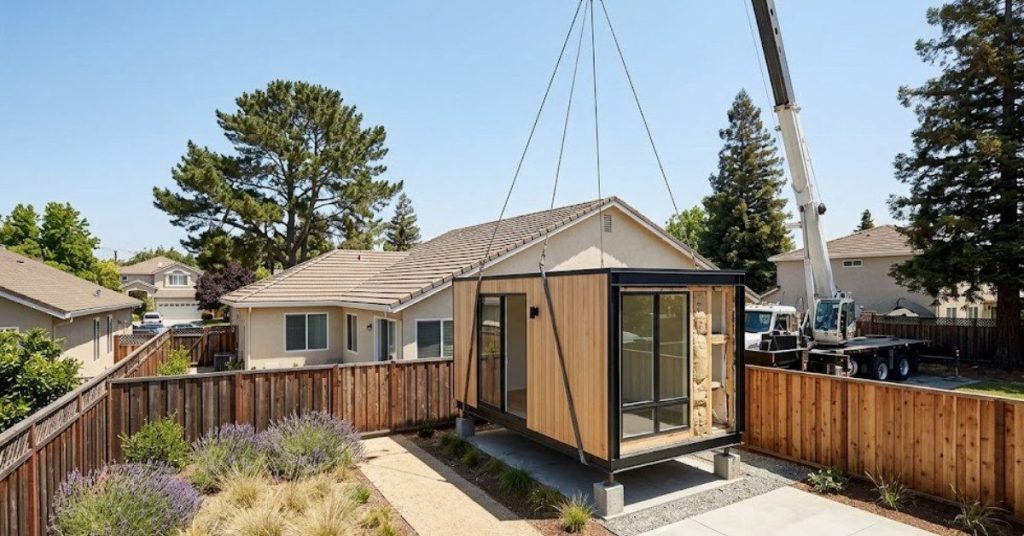
Phase 2: Design and Planning
Once you have a clear direction, the design process begins. This is where your ADU takes shape on paper, from floor plan and room layout to exterior finishes and structural details. Design decisions made here directly affect your final cost, so getting them right the first time matters.
Key things that happen during design:
- Drafting architectural plans that match your site conditions and goals
- Selecting layout options, interior finishes, and fixture packages
- Coordinating with a structural engineer to meet California building codes
- Reviewing pre-approved plan options versus custom designs, since pre-approved plans can cut weeks off the permit timeline in cities like Los Angeles and San Diego
Phase 3: Permits and City Approvals
This is the phase that surprises homeowners the most. Permits in California require plan submissions to multiple city departments including planning, building, and sometimes fire and public works depending on your location.
By state law, most cities must review your ADU application within 60 days. In practice, the full process including any plan corrections can take 2 to 6 months depending on the city’s workload and backlog.
Common reasons permits get delayed:
- Incomplete or inaccurate plan submissions at the time of filing
- Properties in coastal zones or historic districts that face additional review layers
- Permit fees vary by city but typically range from $5,000 to $15,000 covering plan check, building permits, and inspections
Nestadu handles the entire permit process on your behalf. We know what each California city’s planning department expects and submit complete, accurate documentation the first time to avoid unnecessary back-and-forth.
Phase 4: Site Preparation and Foundation Work
With permits approved, physical construction begins. The first step is preparing your lot, which includes clearing vegetation, grading the land, and addressing any soil conditions that could affect the foundation.
If your site is on a slope or has difficult access, site preparation can take longer, but it is essential for ensuring a stable and compliant foundation. Once the site is ready, the foundation is poured based on your property conditions and ADU type.
Phase 5: Framing, Roofing, and Exterior Work
This is the phase most homeowners recognize as real construction. The walls go up, the roof structure takes shape, and for the first time you can physically see your ADU as a building rather than a set of drawings.
Foundation and framing together typically take 5 to 6 weeks. Once the frame is complete, the exterior is sealed with roofing, windows, doors, and siding or stucco. Work completed during this phase includes:
- Structural wall framing and roof installation
- Window and door placement per the approved plans
- Exterior cladding, stucco, or siding application to match your primary home
- Framing inspections by the city before walls are closed in
Phase 6: Interior Work and Finishing
Once the structure is weatherproofed, interior work begins. Plumbers, electricians, and HVAC contractors run their systems through the walls before insulation and drywall go in. This is called the rough-in phase, and it requires a city inspection before walls can be closed.
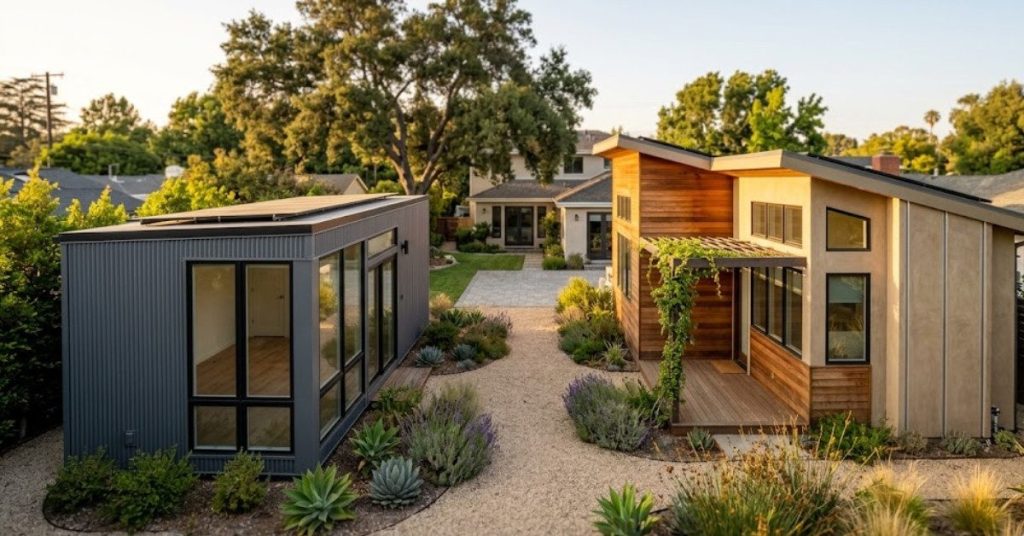
Mechanical, electrical, and plumbing work typically takes 5 to 7 weeks, followed by interior finishes including cabinets, flooring, fixtures, and paint over another 4 to 5 weeks. Having your finish selections confirmed in advance keeps this phase moving without unnecessary stops.
Phase 7: Final Inspections and Certificate of Occupancy
The last step before your ADU is livable is a final city inspection. An inspector visits the property to confirm everything was built according to the approved plans and meets California building code requirements.
If everything passes, you receive a Certificate of Occupancy. This document is what legally allows someone to live in the unit and is required before you can rent it or have a family member move in.
How Long Does the ADU Construction Process Take?
On average, building an ADU in California takes around 8 to 12 months from start to finish. Design typically takes 1 to 2 months, permitting 3 to 4 months, and construction 4 to 6 months.
Here is a breakdown by ADU type:
- Junior ADU (JADU): 3 to 6 months total
- Garage conversion: 4 to 8 months total
- Attached ADU: 6 to 12 months total
- Detached backyard cottage: 9 to 18 months total
These timelines assume a builder who knows the process, submits permits correctly, and manages subcontractors without gaps between phases.
How Nestadu Guides You Through Every Phase
At Nestadu, we manage the entire ADU construction process from the first site visit through final inspection. Our in-house team of ADU contractors and designers handles everything under one roof, which keeps your project on schedule and your budget on track.
We provide every client with transparent milestone updates throughout the build so you always know exactly where your project stands and what comes next.
Ready to get started? Contact Nestadu today for a free consultation and a clear plan from concept to completion.