
The construction industry has changed dramatically over the past decade. More homeowners in California are discovering faster, more efficient ways to build without sacrificing quality. Prefabricated construction has emerged as a smart solution for those looking to add living space quickly and affordably.
If you’re considering building an accessory dwelling unit or exploring modern construction methods, understanding prefab construction is essential. This building approach offers unique advantages that traditional construction simply can’t match.
Understanding Prefabricated Building Methods
Prefab construction refers to building components manufactured in a controlled factory environment before being transported to the construction site. Unlike traditional stick-built methods where everything happens on your property, prefab construction splits the process between factory production and on-site assembly.
The factory setting allows for precise measurements, consistent quality control, and protection from weather delays. Workers build walls, install electrical systems, and complete interior finishes while your foundation is being prepared. This parallel workflow cuts construction time significantly.
Many people confuse prefab construction with cheap or temporary structures. That’s a outdated misconception. Today’s prefabricated buildings meet the same building codes and standards as traditionally built homes. In fact, factory construction often produces higher quality results because of controlled conditions and specialized assembly lines.
Types of Prefab Construction
Not all prefab construction works the same way. Different methods suit different projects and budgets. Here are the main types you’ll encounter:
Modular Construction
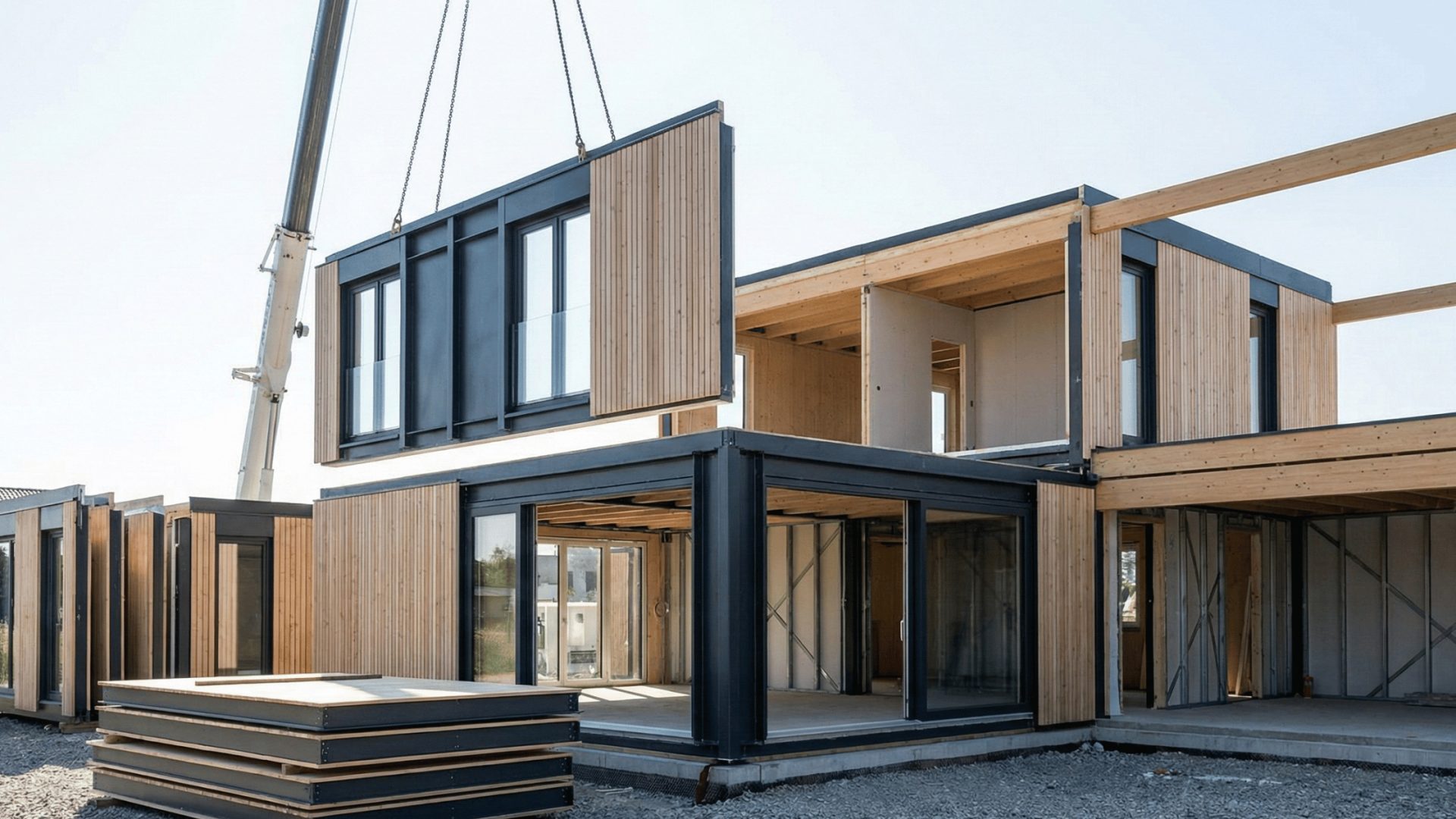
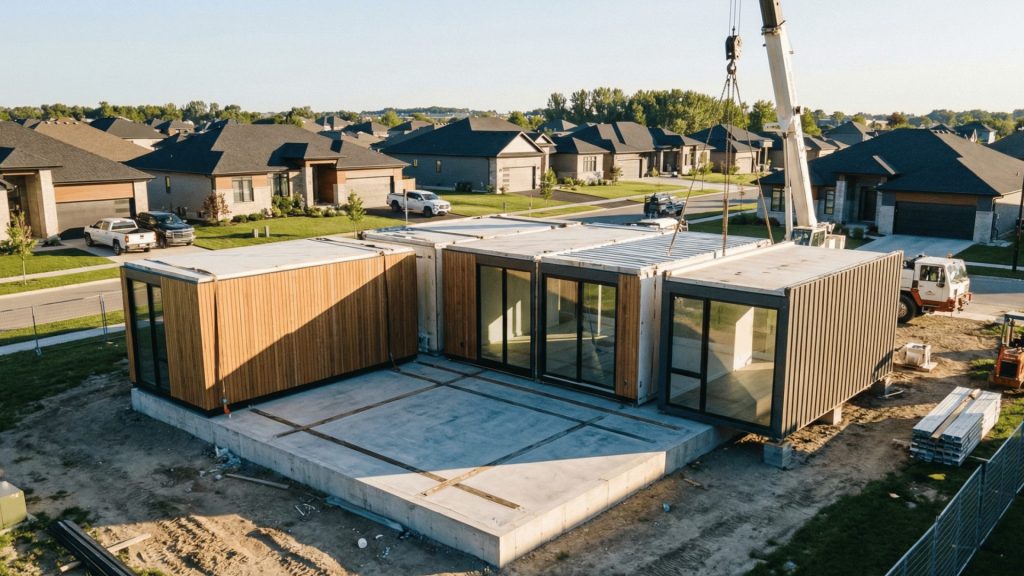
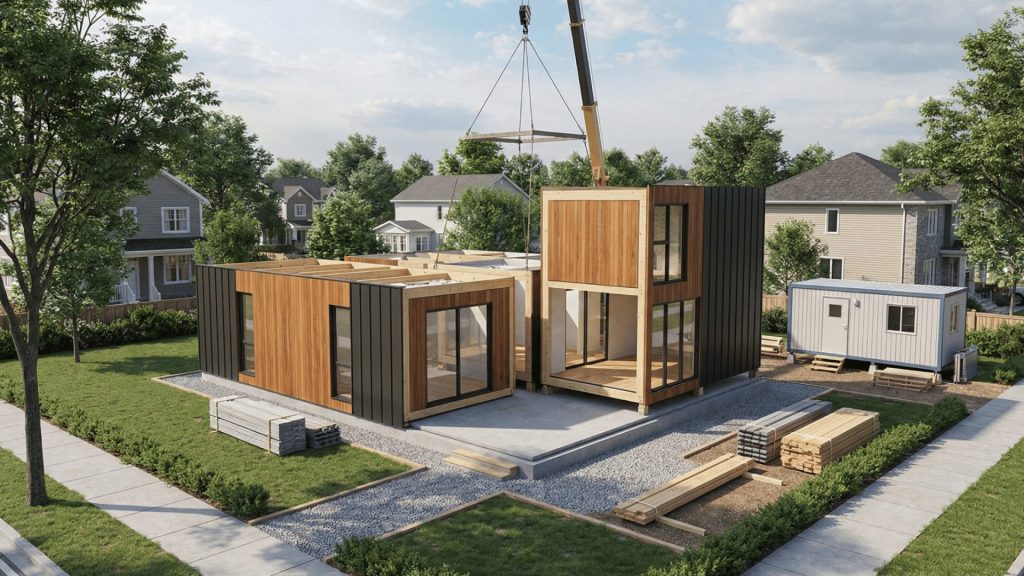
Modular construction involves building complete three-dimensional sections in a factory. These modules include walls, floors, ceilings, electrical systems, plumbing, and interior finishes. Workers then transport these finished boxes to your site and connect them together.
This method works particularly well for ADUs because entire living spaces can arrive nearly complete. A modular ADU might ship as one or two sections that crews assemble in just a few days.
Panelized Systems
Panelized construction takes a different approach. Factories build flat wall panels complete with windows, doors, insulation, and sometimes exterior siding. These panels ship flat and workers assemble them on-site to create the structure.
Key characteristics of panelized construction:
- Wall panels built to exact specifications in factory
- Easier to transport than full modules
- More flexibility in final design and layout
- Requires more on-site assembly than modular
- Often more affordable than full modular construction
Nestadu uses both modular and panelized approaches depending on your specific ADU project needs. The choice depends on your property layout, budget, and timeline requirements.
Benefits of Prefab Construction
Speed stands out as the most obvious advantage. A prefab ADU can be ready for occupancy in 3-4 months compared to 8-12 months for traditional construction. Your site preparation happens while the factory builds your structure.
Cost predictability makes budgeting easier. Factory construction reduces material waste, labor inefficiencies, and weather delays that drive up traditional construction costs. You get firm pricing upfront with fewer surprise expenses during the project.
Additional advantages include:
- Superior quality control with factory inspections at multiple stages
- Reduced environmental impact through precise material usage
- Less disruption to your daily life and neighborhood
- Consistent results regardless of weather conditions
- Better energy efficiency with tight construction tolerances
The controlled factory environment also means better working conditions for construction crews. This often translates to more careful workmanship and attention to detail.
Prefab Construction for ADUs
California’s ADU boom has made prefab construction increasingly popular for backyard cottages and in-law suites. The speed and efficiency of prefabricated ADUs align perfectly with state regulations designed to encourage accessory dwelling unit development.
Prefab ADUs work especially well in established neighborhoods where minimizing construction disruption matters. Your neighbors will appreciate that most building happens off-site. The actual installation on your property might take just a week or two.
Financing a prefab ADU follows the same process as traditional construction. Lenders understand that prefabricated buildings meet identical code requirements. Your completed ADU will appraise based on its quality and features, not its construction method.
Why homeowners choose prefab for ADUs:
- Faster path to rental income or multigenerational living
- Predictable construction timeline for planning purposes
- Less construction noise and activity on your property
- Modern designs that complement existing homes
- Ability to customize layouts and finishes
Nestadu specializes in both traditional and prefab ADU construction throughout California. Our team helps you determine which approach best fits your property, budget, and goals for your accessory dwelling unit.
How Prefab Differs from Traditional Building
Traditional stick-built construction happens entirely on your property. Framers cut lumber on-site, workers install materials piece by piece, and everything depends on weather cooperation. This method offers maximum customization but comes with variable timelines and costs.
Prefab construction moves much of this work indoors. Factory workers use specialized equipment and assembly techniques that aren’t practical at construction sites. Computer-controlled cutting ensures precision that’s difficult to match with traditional methods.
The site work for prefab projects focuses on foundation preparation and utility connections. Once the factory completes your structure, delivery and installation happen quickly. This concentrated burst of on-site activity reduces the disruption period significantly.
Quality control differs substantially between the two methods. Factory construction includes multiple inspection points during the building process. Traditional construction relies more heavily on inspector visits after work is complete, which can mean correcting issues after the fact.
Neither method is universally better. Your choice depends on project specifics, site conditions, and personal preferences. Many homeowners find that prefab construction offers the right balance of quality, speed, and value for ADU projects.
Moving Forward with Your ADU Project
Prefab construction has matured into a reliable, high-quality building method that serves California homeowners well. The combination of speed, cost predictability, and quality makes it particularly attractive for accessory dwelling units.
Understanding your options helps you make informed decisions about your property investment. Whether you choose modular, panelized, or traditional construction, working with experienced ADU contractors ensures successful results.
Nestadu brings expertise in all construction methods to your ADU project. Our team guides you through the process from initial design to final inspection, ensuring your backyard cottage or in-law suite exceeds your expectations. Contact us today to discuss how prefab construction might work for your California property.