

California homeowners exploring accessory dwelling units often hit an immediate roadblock: confusing acronyms. HUD vs HCD buildings sound similar, appear in the same conversations about residential construction, and seem to overlap in ways that make no sense at first glance.
Understanding the difference between these building standards isn’t just bureaucratic nitpicking. It directly affects your project timeline, budget, and what you can actually build on your property. At Nestadu, we’ve seen countless California homeowners struggle with this confusion, so let’s clear up three persistent myths once and for all.
Understanding HUD vs HCD Building: The Basics
Before we tackle the myths, you need to know what these acronyms actually mean. HUD refers to the U.S. Department of Housing and Urban Development, which sets standards for manufactured homes built in factories. These are the structures formerly called “mobile homes” that arrive on your property essentially complete.
HCD stands for the California Department of Housing and Community Development. This state agency oversees building standards for site-built structures, including most ADUs constructed directly on your property. HCD standards work alongside local building codes to ensure safety and quality.
The confusion happens because both relate to residential construction, but they govern completely different building methods. Getting this wrong can derail your entire ADU project before it even starts.
Myth #1: HUD And HCD Standards Are Basically the Same Thing
This is probably the most common misconception we encounter at Nestadu. Homeowners often assume these are interchangeable terms for California building requirements. The reality couldn’t be more different.
Key Differences:
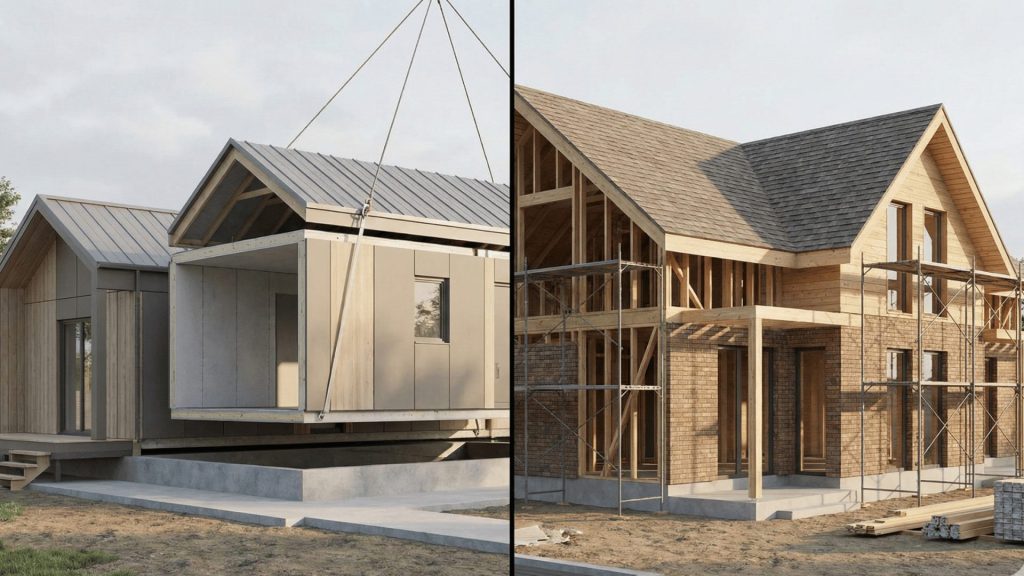
- HUD standards apply exclusively to factory-built manufactured homes that are transported to your site in sections
- HCD standards govern site-built construction, where your ADU is built from the ground up on your property
- HUD homes must display a red certification label, while HCD structures receive traditional building permits
- Inspection processes differ completely, with HUD homes inspected at the factory and HCD projects inspected on-site
The practical impact matters more than technical definitions. If you’re planning a custom ADU that matches your main house’s architecture, you’re working within the HCD framework. Most California ADUs fall into this category because they’re built on permanent foundations as extensions of existing properties.
Manufactured homes under HUD standards can work for some situations, but they involve different zoning considerations and financing options. The standards aren’t interchangeable, they’re designed for fundamentally different construction approaches.

Myth #2: HUD Homes Are Lower Quality Than HCD-Built ADUs
There’s an outdated stigma around manufactured housing that leads many people to assume anything built under HUD standards is inferior. This myth persists from decades ago when manufactured housing had a different reputation.
Modern HUD standards are actually quite rigorous. The federal government updated these requirements significantly over the years, addressing structural integrity, energy efficiency, and safety concerns. A well-built manufactured home today meets serious quality benchmarks.
What Really Determines Quality:
- The manufacturer’s reputation and construction practices
- Materials and finishes you select
- Proper installation and foundation work
- Ongoing maintenance and care
- Design specifications beyond minimum code requirements
That said, HCD site-built ADUs offer advantages that have nothing to do with quality standards. When Nestadu builds your accessory dwelling unit under HCD guidelines, you get complete customization options. We can match your existing home’s style, work with unusual lot configurations, and create spaces that feel like natural extensions of your property.
The quality question isn’t about which code is “better.” It’s about which construction method fits your specific needs, property characteristics, and long-term goals. Both codes ensure safety and durability, they just apply to different building approaches.
Myth #3: Following HUD Standards Makes ADU Projects Easier
Some homeowners believe that going with a manufactured unit under HUD standards will simplify their project. The thinking goes that federal standards must be simpler than navigating California’s complex building requirements plus local codes.
This assumption falls apart quickly in practice. While manufactured homes are built faster in controlled factory settings, you still face significant site work and permitting requirements. Your property needs proper foundation preparation, utility connections, and compliance with local zoning regulations.
Why HCD Site-Built Often Works Better:
- Direct integration with local building codes and requirements
- Greater design flexibility for unique properties
- Easier modifications and additions later
- Better property value retention
- Simplified financing options through traditional mortgages
California’s HCD standards might seem complex at first glance, but they’re designed to work with local jurisdictions. When you partner with experienced builders like Nestadu, we handle the code compliance process efficiently. Our familiarity with California-specific requirements actually speeds things up compared to navigating the hybrid process of manufactured home installation.
The “easier” path depends on your specific situation. For most California homeowners adding an ADU to their existing property, HCD site-built construction provides a smoother overall experience despite the perceived complexity.
Making the Right Choice for Your Property
Now that we’ve cleared up these myths, how do you decide which path makes sense? Start by thinking about what you actually want to achieve with your ADU project.
Consider your property’s characteristics. Does it have challenging terrain, limited access, or specific architectural requirements from your HOA or local design guidelines? Site-built construction under HCD standards handles these situations better. Is your timeline extremely tight and your lot relatively straightforward? A manufactured option might deserve consideration.
Budget plays a role, but not always how you’d expect. Manufactured homes can have lower initial costs, but site preparation, foundation work, and utility connections add up quickly. Custom site-built ADUs have higher upfront costs but often provide better long-term value and rental income potential.
At Nestadu, we’ve built our reputation on guiding California homeowners through exactly these decisions. We understand how HCD standards interact with local codes across different jurisdictions. More importantly, we know how to create ADUs that enhance your property value while meeting all regulatory requirements efficiently.
Moving Forward With Confidence
Understanding the real differences between HUD and HCD standards puts you in a much stronger position as you plan your ADU. These aren’t just bureaucratic distinctions, they represent fundamentally different approaches to adding living space to your property.
The myths we’ve explored today persist because residential construction codes are genuinely complicated. But you don’t need to become an expert in building standards to make good decisions. You need accurate information and experienced partners who can translate regulations into practical guidance.
Whether you’re considering an ADU for rental income, housing aging parents, or creating flexible space for your growing family, getting the building standards right from the start prevents costly mistakes and delays. Contact Nestadu today to discuss your specific situation and learn how we can help you navigate California’s ADU requirements with confidence.