

When planning a prefab ADU, one of the first questions homeowners ask is about timing. Adding extra living space to your property is exciting, but knowing how long the project will actually take is just as important as choosing the design. Many people assume a prefab ADU can be delivered and installed in a matter of weeks, but the reality is a little more layered.
The timeline includes two main parts: the factory build, where the ADU is constructed off-site, and the sitework, which covers everything from foundation to utility connections. These two processes often run at the same time, which helps shorten the schedule. By looking at both sides factory and sitework you can better understand what to expect before your ADU is move-in ready.
What is a Prefab ADU?
A prefab ADU (Accessory Dwelling Unit) is a secondary housing unit built in a factory and then transported to the property for installation. Unlike traditional stick-built ADUs, which are fully constructed on-site, prefab units are largely completed in a controlled environment before arriving at the homeowner’s lot.
This approach offers better quality control, fewer delays due to weather, and a more predictable process. However, it’s important to remember that “prefab” doesn’t mean instant. Permits, utility work, and final inspections all play a role in how long the project actually takes.
Key Stages in a Prefab ADU Project
A prefab ADU is built and installed through a series of stages, each with its own timeline.
1. Design and Permitting
- Architectural planning and engineering
- Customization of layouts and finishes
- Plan submission to city or county for approval
- Timeframe: 3 to 6 months depending on jurisdiction
2. Factory Construction
- Modules or panels are built under controlled conditions
- Plumbing, electrical, and finishes are installed in the factory
- Less chance of delay since weather is not a factor
- Timeframe: 6 to 12 weeks
3. Site Preparation
- Grading, excavation, and foundation work
- Utility trenching for water, sewer, and power
- Site access preparation for crane and delivery trucks
- Timeframe: 6 to 10 weeks
4. Delivery and Installation
- Transportation of modules to property
- Placement and assembly using cranes
- Weatherproofing and connection of building systems
- Timeframe: 2 to 4 weeks
5. Final Inspections and Handover
- Local building authorities complete safety checks
- Final adjustments and approvals
- Timeframe: 1 to 3 weeks
Each stage is important, and delays in one step can affect the next. Working with an experienced ADU builder ensures the process stays on track.
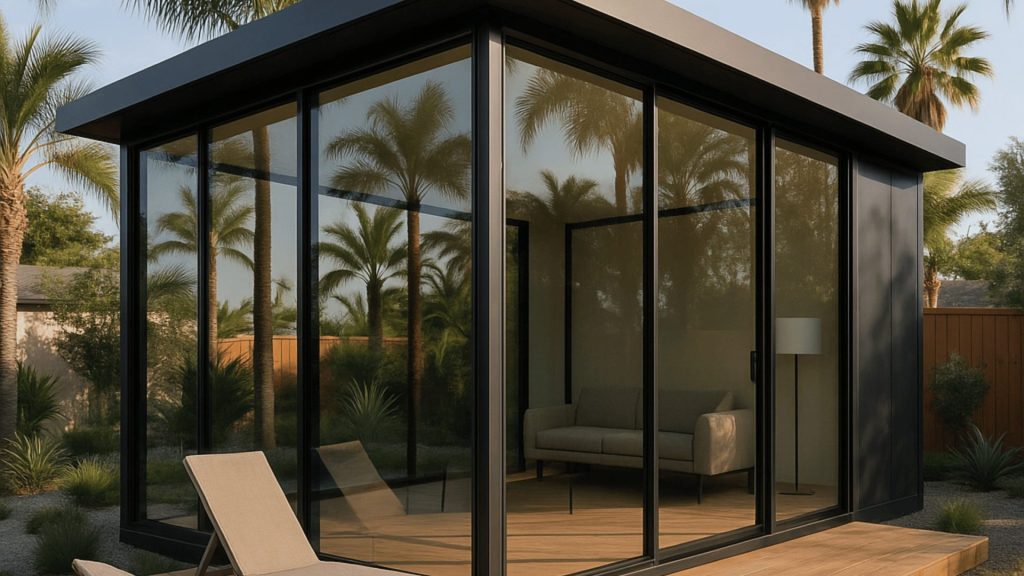
Factory Construction vs Sitework: A Timeline Comparison
Prefab ADUs save time because construction in the factory and preparation on-site can often happen in parallel. Let’s compare both sides:
Factory Build Timeline
- Typically 6 to 12 weeks
- Completed indoors with little interruption
- Consistent quality across framing, insulation, and finishing
Sitework Timeline
- Typically 6 to 10 weeks
- Includes excavation, utilities, and foundation
- Susceptible to delays from weather or soil conditions
The Overlap Advantage
The true time savings come from overlap. While the unit is being built in the factory, contractors are already working on-site. This means installation can begin immediately once the unit is delivered. Without overlap, the project would take significantly longer.
How Long Does the Entire Prefab ADU Process Take?
From start to finish, most prefab ADU projects in California take 6 to 12 months. While the factory and sitework phases may only last a few months, the permitting stage is often the most time-consuming.
Typical timeline:
- Design and permitting: 3 to 6 months
- Factory construction: 2 to 3 months
- Sitework and installation: 2 to 3 months
- Final inspections: Up to 1 month
This adds up to around 9 months for many homeowners, though some projects can be completed faster if the permitting process moves smoothly.
Factors That Affect Prefab ADU Timelines
While prefab construction shortens the process, several factors can still influence the overall schedule:
- Permitting delays: Some cities process approvals quickly, while others take months.
- Utility coordination: Water, sewer, and electrical hookups often require outside scheduling.
- Lot conditions: Slopes, limited access, or narrow lots can slow site preparation.
- Design complexity: A standard model moves faster than a heavily customized design.
- Inspection availability: Local building departments may have limited schedules, delaying final sign-off.
Being aware of these factors helps set realistic expectations and avoid surprises.
Advantages of Prefab ADU Timelines vs Traditional Builds
Prefab ADUs are not instant, but they are still faster than stick-built ADUs. Some clear advantages include:
- Shorter construction window due to overlapping timelines
- Less risk of weather-related setbacks
- Reduced noise and disruption on the property
- Faster path to generating rental income or housing relatives
By comparison, traditional ADU construction often takes 12 to 18 months from start to finish. Prefab ADUs typically save several months.
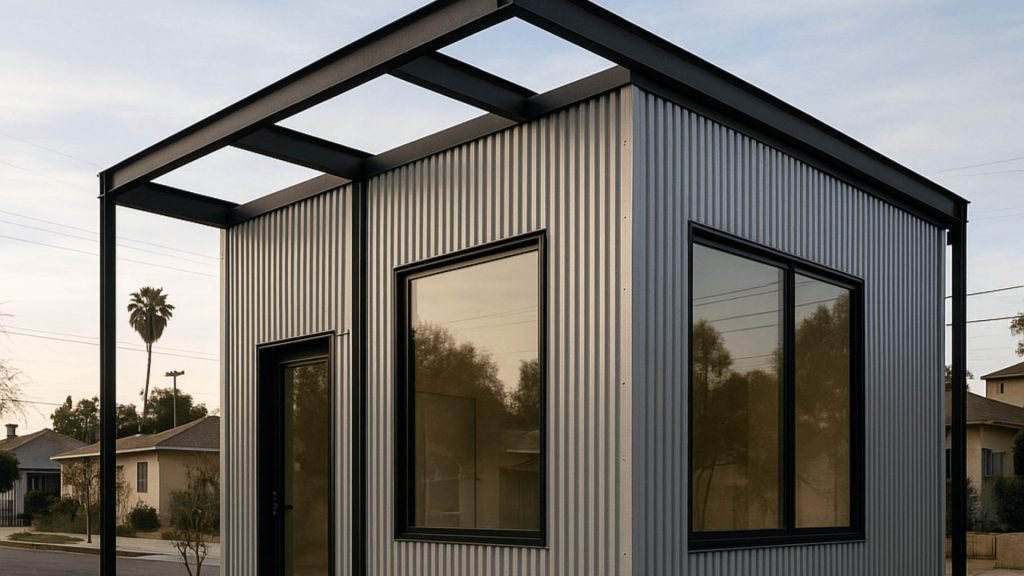
Tips for Homeowners to Keep the Process on Track
Homeowners can play a role in ensuring their prefab ADU project runs smoothly. A few practical steps include:
- Start permitting early to avoid bottlenecks later.
- Select a builder familiar with local codes for faster approvals.
- Choose a standard model when time is more important than customization.
- Plan utility connections in advance to prevent last-minute scheduling issues.
- Respond quickly to builder requests for signatures or design confirmations.
By following these steps, you can help prevent small delays from turning into major setbacks.
Conclusion
So, how long does a prefab ADU take? In most cases, homeowners can expect the process to last 6 to 12 months, with the actual building and sitework completed in just a few months. The biggest time savings come from overlapping factory construction and on-site preparation, but permitting and utilities often extend the timeline.
Prefab ADUs remain one of the fastest and most reliable ways to add living space in California. At Nestadu, we guide you through every step, from permitting to installation, ensuring your ADU is delivered on schedule and built to last.