
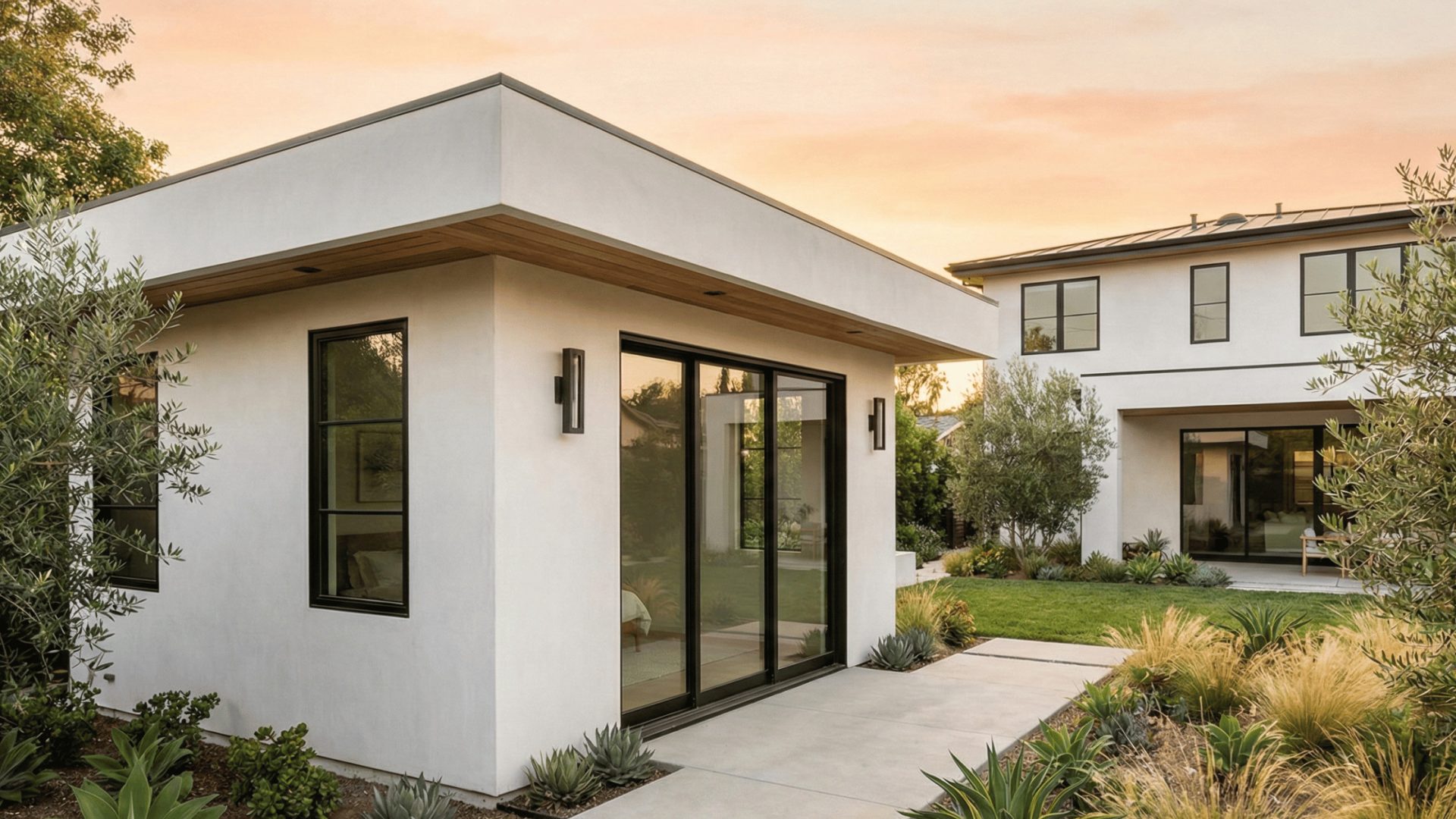
If you’re a California homeowner thinking about adding a prefab accessory dwelling unit to your property, one of the first questions that comes up is how to pay for it. The good news? You absolutely can finance a prefab ADU, though the process looks a bit different from buying a traditional home.
At Nestadu, we work with homeowners across California who navigate this exact question every day. Let’s break down your lending options and how to pick the right one.
How Lenders View Prefab ADUs
A prefab ADU isn’t treated like a standalone property. Instead, lenders typically view it as an improvement to your existing property. This means you won’t walk into a bank and get a separate mortgage for just the ADU itself.
Your financing will usually be tied to your primary residence, your existing equity, or the projected value of your home after the ADU is completed. California’s ADU regulations have made lenders much more comfortable with these projects, opening up more options than homeowners had even five years ago.
Cash-Out Refinance
A cash-out refinance replaces your current mortgage with a new, larger one, and you pocket the difference to fund your ADU project. This is one of the most popular routes for homeowners who have built up significant equity.
- You get a lump sum of cash at closing that can go directly toward your prefab ADU
- Interest rates are often lower than other loan types since it’s a first-position mortgage
- You end up with a single monthly payment, which keeps things simple
- Closing costs can run 2% to 5% of the new loan amount
This option works best if current mortgage rates are close to or lower than your existing rate.
Home Equity Loan
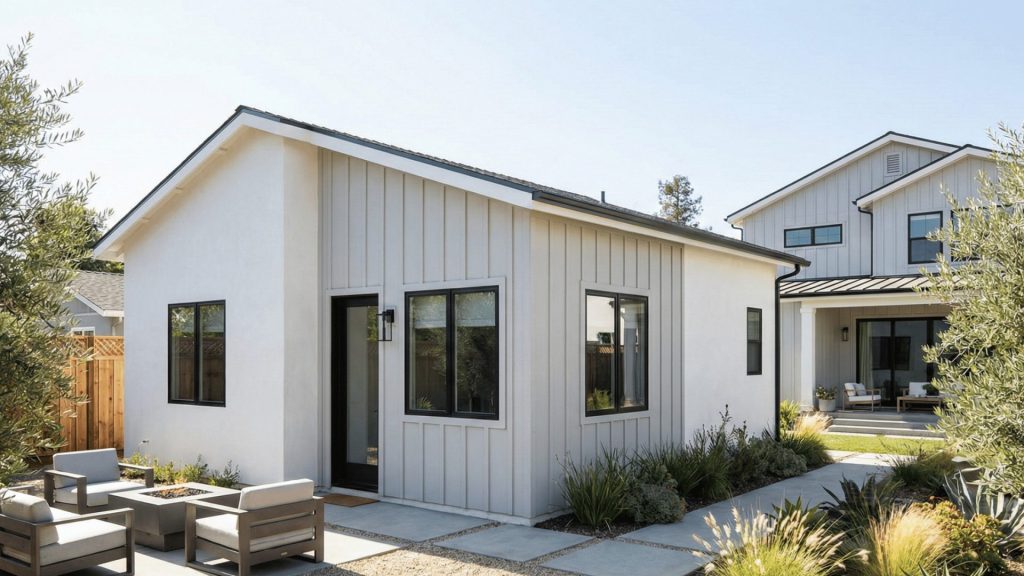
A home equity loan gives you a fixed lump sum based on the equity you’ve built in your home, repaid at a fixed interest rate over a set term. Think of it as a second mortgage.
- Predictable monthly payments make budgeting straightforward
- You keep your existing mortgage and its rate untouched
- Most lenders allow you to borrow up to 80% to 85% of your home’s appraised value minus what you owe
For many California homeowners sitting on substantial equity, a home equity loan can be a practical way to fund a prefab ADU without touching their primary mortgage.
Home Equity Line of Credit (HELOC)
A HELOC functions like a credit card secured by your home. You get approved for a maximum amount and draw from it as needed. This can be especially useful for ADU construction because you can pull funds in stages as the project progresses.
- You only pay interest on the amount you’ve actually drawn
- The draw period typically lasts 5 to 10 years
- Interest rates are usually variable, meaning your payments can fluctuate
- After the draw period ends, you enter repayment and can no longer borrow against the line
Construction Loans
Construction loans are short-term financing designed specifically for building projects. Some lenders in California now offer ADU-specific construction loan products.
- Funds are released in draws as construction milestones are completed
- Many construction loans can convert to permanent financing once the build is done
- Interest rates tend to be higher than traditional mortgages
- Lenders will want to see detailed plans, permits, and a licensed contractor
Working with an established ADU builder like Nestadu can make a real difference here. Lenders want to see a credible construction plan with a realistic budget, and having an experienced team behind the project gives them confidence to approve the loan.
Renovation Loans (FHA 203(k) and Fannie Mae HomeStyle)
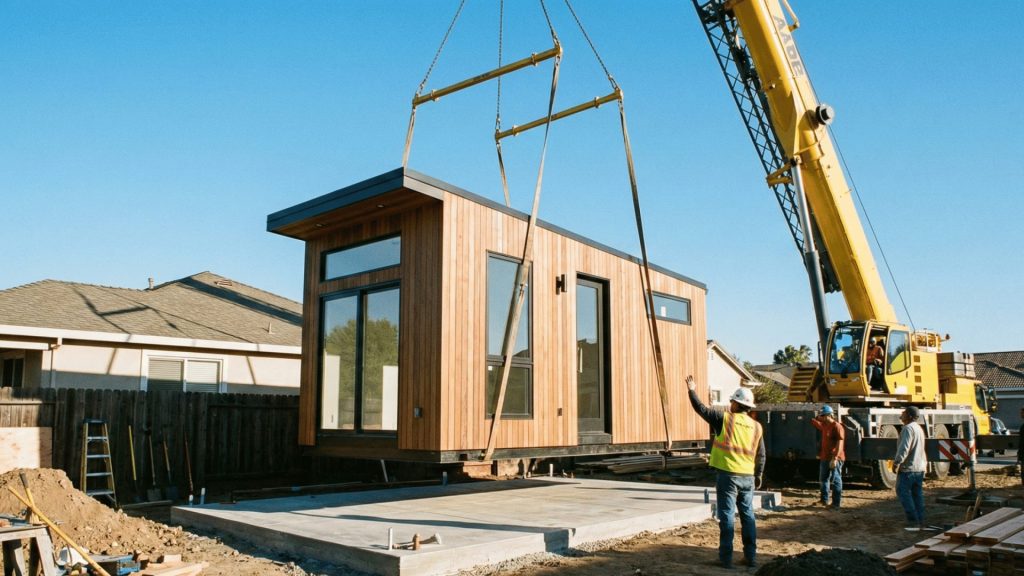
Government-backed renovation loans allow you to roll ADU construction costs into your mortgage. These programs were originally designed for home renovations, but they now apply to ADU projects in many cases.
- FHA 203(k) loans let you finance both the purchase (or refinance) of a home and the cost of building an ADU in a single mortgage
- Fannie Mae HomeStyle Renovation loans offer similar flexibility with fewer restrictions on the types of improvements allowed
- Down payment requirements can be lower than conventional loans
- Approval timelines tend to be longer with more paperwork involved
Personal Loans
For smaller prefab ADU projects, personal loans are an option. They’re unsecured, meaning your home isn’t used as collateral.
- Approval is usually fast, sometimes within days
- No home equity is required
- Interest rates are significantly higher than secured loan options
- Borrowing limits typically max out around $50,000 to $100,000
Personal loans work best as supplemental funding rather than the primary way to finance an entire ADU build.
What Lenders Want to See
Regardless of which lending path you choose, lenders consistently look for a few things with ADU projects:
- A solid credit score, generally 620 or higher
- Sufficient equity in your home relative to what you’re borrowing
- A property appraisal that accounts for the projected post-ADU value
- Proof that your project complies with local zoning and permitting requirements
- A licensed, reputable contractor handling the build
Why Your Choice of ADU Builder Matters for Financing
This is something a lot of homeowners overlook. The builder you choose can directly impact how smoothly your financing process goes. Lenders prefer working with licensed, experienced contractors who provide detailed project scopes, realistic timelines, and transparent pricing.
Nestadu handles the entire ADU construction process from initial design through permitting and final build. When your builder has a track record of delivering permitted, code-compliant ADUs on time and on budget, it removes a lot of the uncertainty that can slow down or derail a loan approval.
Tips to Set Yourself Up for a Smooth Financing Experience
- Get pre-approved before you finalize your ADU design so you know your budget
- Choose a builder with a proven track record and clear, detailed estimates
- Have your permits and site plans ready before you sit down with a lender
- Compare at least three to four lenders and ask specifically about ADU loan products
Ready to Start Your ADU Project?
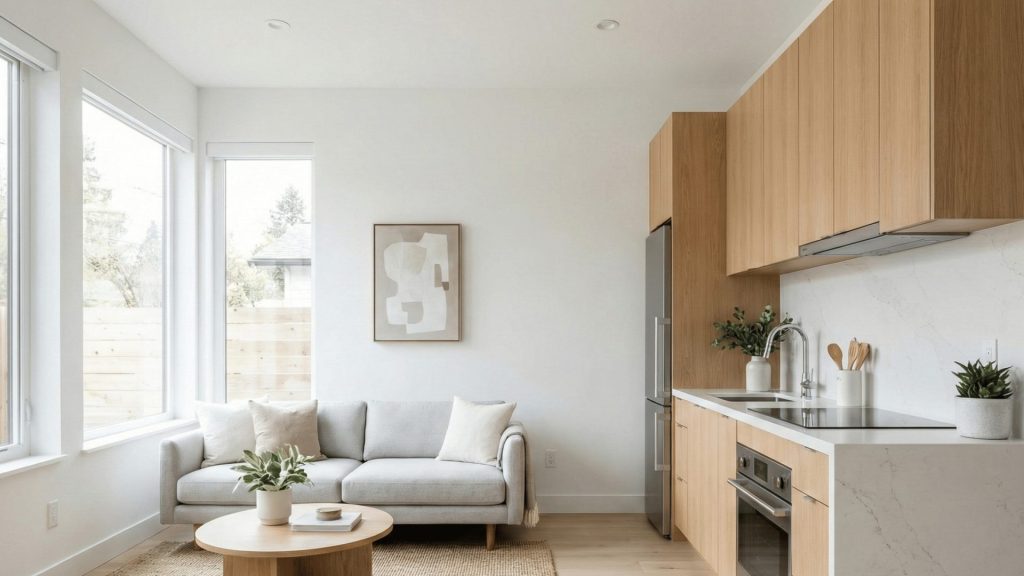
Financing a prefab ADU in California is more accessible today than it’s ever been. Whether a cash-out refinance, home equity loan, HELOC, construction loan, or renovation loan makes the most sense depends on your financial situation, your timeline, and your property goals.
Nestadu has helped homeowners across California navigate every stage of the ADU building process. If you’re exploring your options and want to understand what a prefab ADU project would look like for your property, reach out to our team for a consultation.