
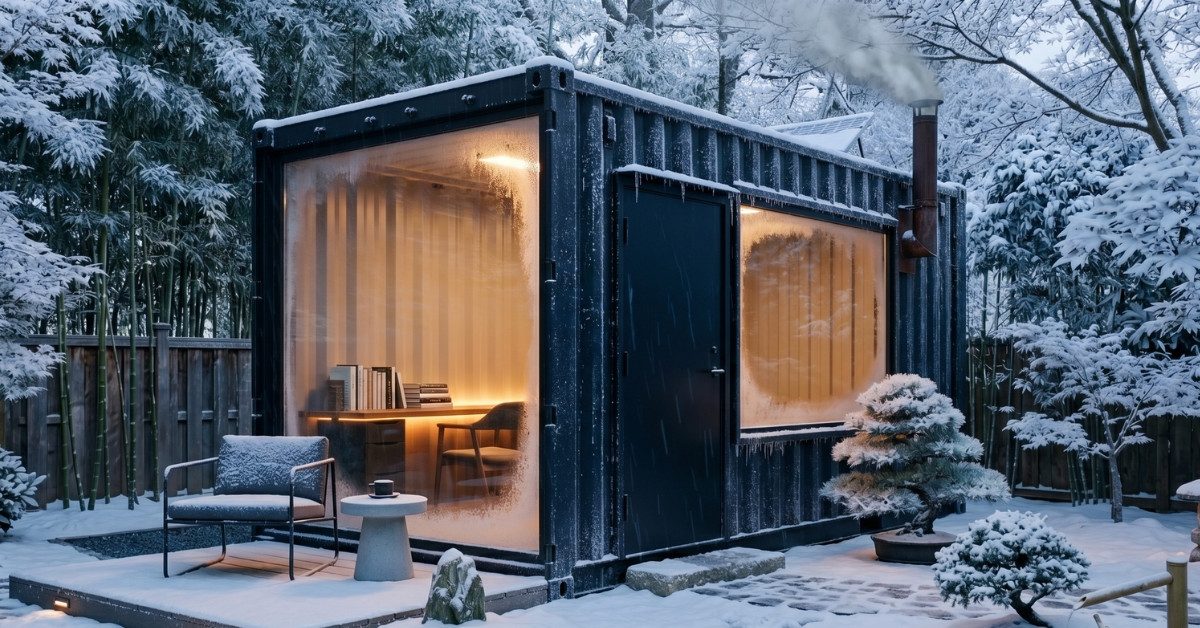
Adding an accessory dwelling unit to your property sounds like a great idea until you start looking at the price tag. Whether you want a backyard cottage for rental income or an in-law suite for aging parents, ADU construction in California can run anywhere from $100,000 to $300,000 or more depending on size, location, and finishes.
So the big question is: can you actually get a loan to build an ADU? The short answer is yes. California homeowners have more financing options today than ever before. And with the right approach, you can fund your ADU project without draining your savings account. At Nestadu, we help homeowners navigate this process every day, and we have seen firsthand how the right financing strategy makes or breaks a project.
Let’s walk through your options.
Best Loan Options for Building an ADU in California
There is no single “ADU loan” product that every bank offers. Instead, homeowners piece together financing from a few different sources depending on their equity, income, and project scope. Here are the most common routes California homeowners take.
Home Equity Line of Credit (HELOC)
A HELOC is the most popular way to finance an ADU in California right now. You borrow against the equity you have built up in your home, and you only pay interest on what you actually draw. This makes it ideal for construction projects where costs come in stages.
- Most lenders allow you to borrow up to 80-90% of your home’s value
- Some ADU-specific HELOCs go up to 125% combined loan-to-value (CLTV)
- Interest rates are variable, typically in the 6.5-8.5% range in 2026
- You draw funds as needed during construction rather than taking a lump sum
The biggest advantage here is flexibility. You are not paying interest on money sitting in your account while your contractor finishes the foundation.
Cash-Out Refinance
With a cash-out refinance, you replace your existing mortgage with a larger one and pocket the difference. That extra cash goes toward your ADU build.
This works well if your current mortgage rate is already close to today’s market rate. But if you locked in a 3% rate back in 2020 or 2021, refinancing to 6.5% or 7% could cost you tens of thousands more in interest over the life of the loan. Do the math carefully before going this route.
Construction Loans
Construction loans are short-term financing (usually 12-18 months) designed specifically for building projects. The lender releases funds in stages as your contractor hits construction milestones. Once the ADU is complete, the loan either converts to a permanent mortgage or gets paid off through a refinance.
- Best for homeowners who do not have enough equity for a HELOC
- Requires detailed project plans, permits, and a licensed contractor
- Interest rates tend to be slightly higher than traditional mortgages
Working with an experienced ADU builder like Nestadu makes this process smoother because lenders want to see a solid construction plan before approving the loan.
Renovation Loans (FHA 203k and Fannie Mae HomeStyle)
These government-backed programs let you roll ADU construction costs into your mortgage. The FHA 203(k) loan is a good fit for homeowners with lower credit scores or less equity, while the Fannie Mae HomeStyle loan works for conventional borrowers.
A big update for 2026: Fannie Mae now allows lenders to use 75% of the projected rental income from a not-yet-built ADU to help you qualify. If an appraiser estimates your ADU will rent for $3,000 a month, the bank can add $2,250 to your qualifying income. That alone can be the difference between approval and denial.
Second Mortgage or Home Equity Loan
If you do not want to touch your primary mortgage rate, a second mortgage sits behind your existing loan. You keep your low rate on the main house and only pay the current market rate on the portion you borrow for the ADU. For homeowners who locked in low rates a few years ago, this is often the smartest move.
What About California ADU Grants?
You may have heard about the CalHFA ADU Grant Program that offered up to $40,000 for pre-development costs like permits, architectural plans, and soil tests. Unfortunately, the program has exhausted its funding as of 2026 and is not currently accepting new applications.
That said, several local programs still exist depending on where you live in California:
- San Diego Housing Commission offers construction loans up to $200,000 with technical assistance included
- Santa Cruz County has a forgivable loan program up to $40,000 for homeowners who rent to low-income tenants
- Many cities in the Bay Area waive impact fees for ADUs under 750 square feet, saving thousands in upfront costs
- San Mateo County provides free project management support through their One Stop Shop Program
Check with your local housing authority because new programs pop up regularly.
What Do Lenders Look at When You Apply?
Getting approved for an ADU loan is not just about having a good credit score. Lenders evaluate several factors before signing off on your project.
- Credit score: Most conventional loans require 680 or higher, while FHA options may accept lower scores
- Debt-to-income ratio: Lenders want to see that your monthly debt payments stay below 43-50% of your gross income
- Home equity: The more equity you have, the better your loan terms will be
- Project documentation: Detailed construction plans, permits, and cost estimates from a reputable builder matter a lot
- Projected rental income: Some lenders now factor in expected ADU rental income when calculating your ability to repay
This is exactly why choosing the right ADU builder early in the process matters. At Nestadu, we provide detailed cost breakdowns and project documentation that lenders need to see. Walking into a loan meeting with professional plans from a licensed California ADU contractor gives you a significant edge.
Tips to Get Your ADU Loan Approved Faster
If you are planning to apply for financing soon, here are a few things you can do right now to improve your chances:
- Get pre-approved first. Know your budget before you start designing. This saves time and prevents heartbreak when you fall in love with a plan you cannot afford.
- Choose your builder before your lender. Having a signed contract with a reputable ADU builder shows the lender your project is real and well planned.
- Shop at least 3 lenders. Rates, fees, and terms vary more than you would expect. A 0.5% difference on a $250,000 loan adds up to $1,250 per year in extra interest.
- Have your documents ready. Tax returns, bank statements, mortgage statements, and property appraisals speed up the approval timeline.
- Keep your financial picture clean. Avoid taking on new debt, closing credit cards, or making large purchases before applying.
Is Financing an ADU Worth It?
The numbers usually say yes. ADU rental rates in California range from $1,900 to $3,600 per month depending on location and unit size. That monthly income can cover your loan payments and then some. Beyond rental income, a well-built ADU adds real value to your property and gives you flexible living space for decades to come.
The key is building a realistic financial model, not a best-case one. Factor in vacancy, maintenance, insurance, and property tax increases when running your numbers.
Ready to Build Your ADU?
Getting a loan to build an ADU in California is absolutely possible, and the financing landscape keeps getting better for homeowners. The most important first step is understanding your true project costs so you can match them to the right loan product.
Nestadu specializes in helping California homeowners go from concept to completion with transparent pricing, expert craftsmanship, and a team that understands what lenders need to see. If you are thinking about building an ADU, reach out for a free consultation and get a detailed cost estimate you can take straight to your lender.