
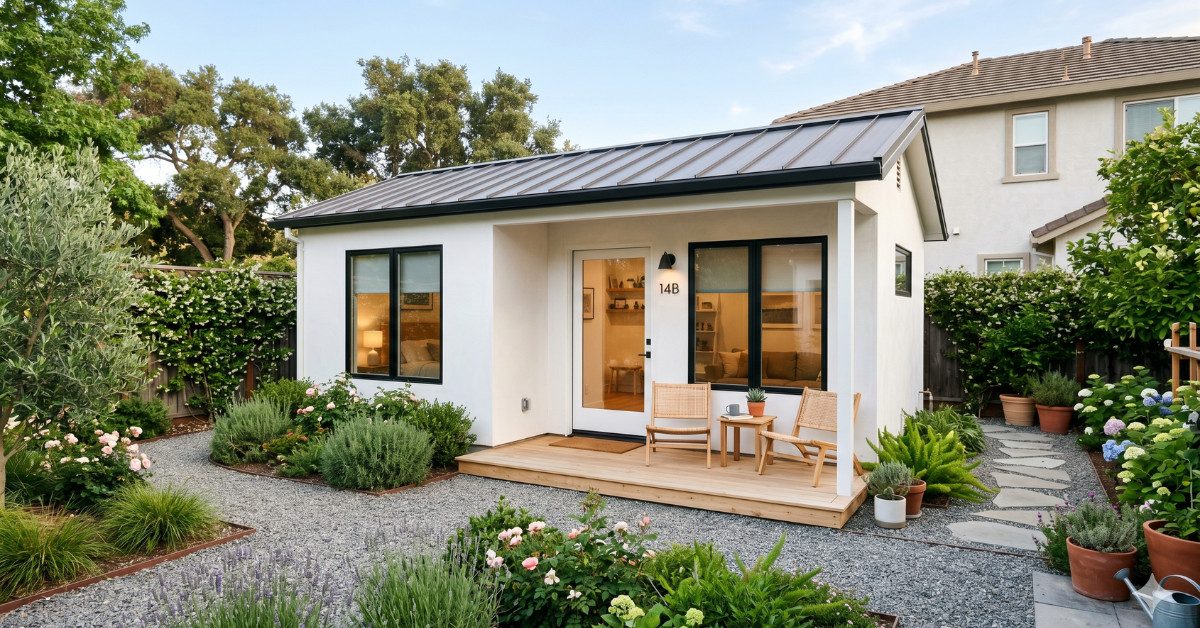
Living in a homeowners association community comes with its share of rules, and when you start thinking about adding an accessory dwelling unit to your property, the first worry is usually whether your HOA will shut the whole idea down. Maybe your board already told you ADUs are not allowed, or perhaps you have heard conflicting information from neighbors and online forums.
Can HOA Prevent Me From Building an ADU
Here is the good news. Under California law, your HOA cannot legally stop you from building an ADU on a single-family residential lot. But that does not mean the process is completely restriction-free. Let us break down exactly what the law says, what your HOA can and cannot control, and how to move forward with confidence.
California Law Is on Your Side
Back in 2019, the California Legislature passed AB 670, a law that changed the game for homeowners in HOA communities. AB 670 added Section 4751 to the Civil Code, and it is pretty straightforward in what it does.
Any provision in your HOA’s CC&Rs (Covenants, Conditions, and Restrictions) that prohibits or unreasonably restricts the construction of an ADU or Junior ADU on a single-family lot is now void and unenforceable. That means even if your HOA’s rulebook says “no ADUs,” the state overrides that rule entirely.
The California Department of Housing and Community Development (HCD) has reinforced this position multiple times, making it clear that HOAs have no approval or denial power over ADU permits. Your local city or county planning department handles the permitting process, and it must be a ministerial (non-discretionary) review. Your HOA is not part of that process at all.
What Your HOA Can Still Regulate
While your HOA cannot block your ADU, it does retain some limited authority. Here is what they are allowed to enforce:
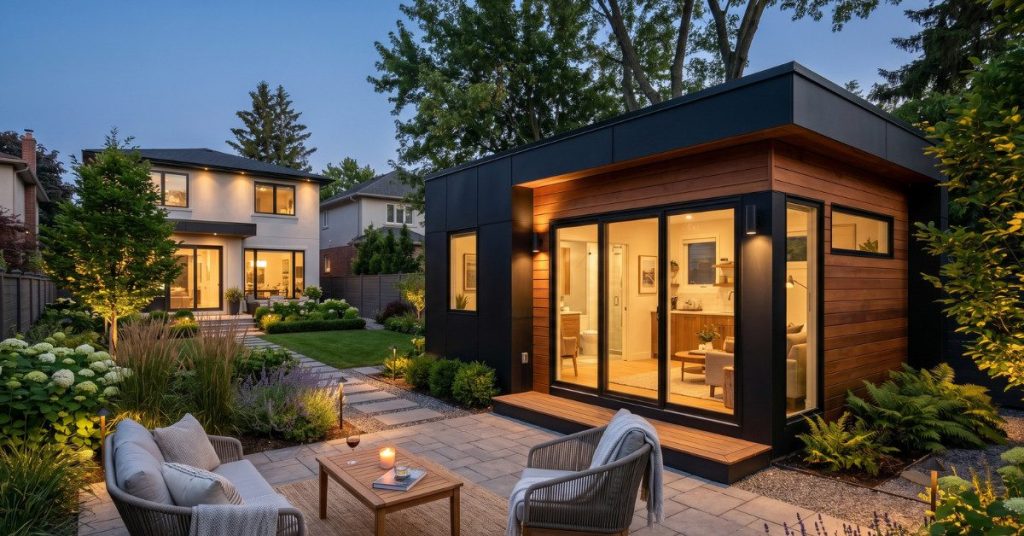
- Exterior design standards such as paint colors, siding materials, and architectural style that match your main home and neighborhood aesthetic
- Setback requirements, though these cannot exceed 4 feet from side and rear property lines per state law
- Height restrictions that align with state-allowed limits (16 feet for detached ADUs, or 18 feet if within half a mile of public transit)
- Roof pitch and exterior finishes to maintain visual consistency within the community
The key word in the law is “reasonable.” These restrictions must not add significant cost to your project or create so many hurdles that building becomes impractical. And importantly, your HOA’s authority ends at the exterior. They have zero say over your ADU’s interior layout, floor plan, or design choices.
What Your HOA Cannot Do
This is where a lot of homeowners get confused, especially when an HOA board pushes back with confidence. Here is what California law prevents your HOA from doing:
- Banning ADU construction outright on single-family residential lots
- Imposing size limits stricter than state minimums (850 sq ft for a one-bedroom, 1,000 sq ft for a two-bedroom)
- Requiring an architect’s stamp if your local building department does not require one
- Charging excessive fees or demanding costly upgrades as a condition for moving forward
- Influencing or participating in the city or county permitting process
- Preventing you from renting out your ADU to a long-term tenant
- Using drawn-out approval timelines designed to discourage you from building
If your HOA is doing any of these things, they are likely violating state law. You have every right to push back, and the HCD can provide guidance if your association is not cooperating.
The Condo and Townhome Exception
There is one important nuance worth knowing about. In April 2026, a San Diego County judge ruled against a Carlsbad condo owner who tried to convert his garage into a rental unit over HOA objections. The court found that AB 670 protections apply specifically to lots zoned for single-family residential use, and condo developments with shared ownership structures may not qualify.
If you own a standalone single-family home within an HOA, you are fully protected under current law. But if you own a condo or townhome where the underlying land is owned collectively, your situation could be more complicated. In these cases, it is worth consulting with an ADU specialist before moving forward.
How to Navigate the HOA Process Smoothly
Even though the law protects your right to build, a little diplomacy goes a long way. Here is a practical approach that Nestadu recommends to clients in HOA communities:
- Review your CC&Rs first. Look for any ADU-related language so you know what your HOA might reference.
- Know the law. Familiarize yourself with AB 670 and Civil Code Section 4751. Having the facts ready makes conversations easier.
- Notify your HOA early. Share your plans along with a brief summary of state law. A proactive approach prevents misunderstandings.
- Design with the neighborhood in mind. Matching your ADU’s exterior to the existing home and surroundings helps avoid unnecessary friction.
- Submit your permit application directly to your local planning department. Remember, the HOA has no role in the permitting process.
- Contact HCD if needed. If your HOA continues to block or delay your project, the California Department of Housing and Community Development can step in.
Why Nestadu Makes This Process Easier
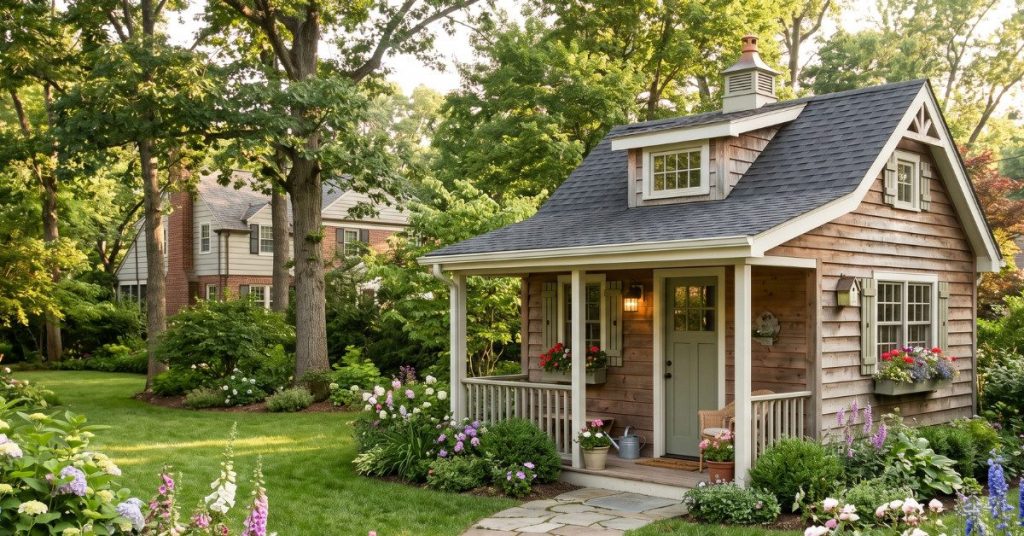
Building an ADU in an HOA community does not have to feel like a legal battle. At Nestadu, we work with California homeowners every day who are navigating HOA guidelines, local building codes, and state regulations all at once.
Our team handles the entire process from initial design through final construction. We make sure your ADU meets both state requirements and any reasonable HOA design standards, so there are no surprises along the way. Whether you are building a backyard cottage for rental income, a guest house for family, or a flexible living space for the future, Nestadu simplifies what can otherwise feel like an overwhelming process.
Final Thoughts
Your HOA cannot prevent you from building an ADU on your single-family lot in California. The law is clear on that. They can ask for reasonable design consistency with the neighborhood, but they cannot block your project, inflate your costs, or interfere with the permitting process.
If you are ready to explore your ADU options, reach out to the Nestadu team. We will walk you through every step, from navigating HOA requirements to handing you the keys to your finished ADU.