
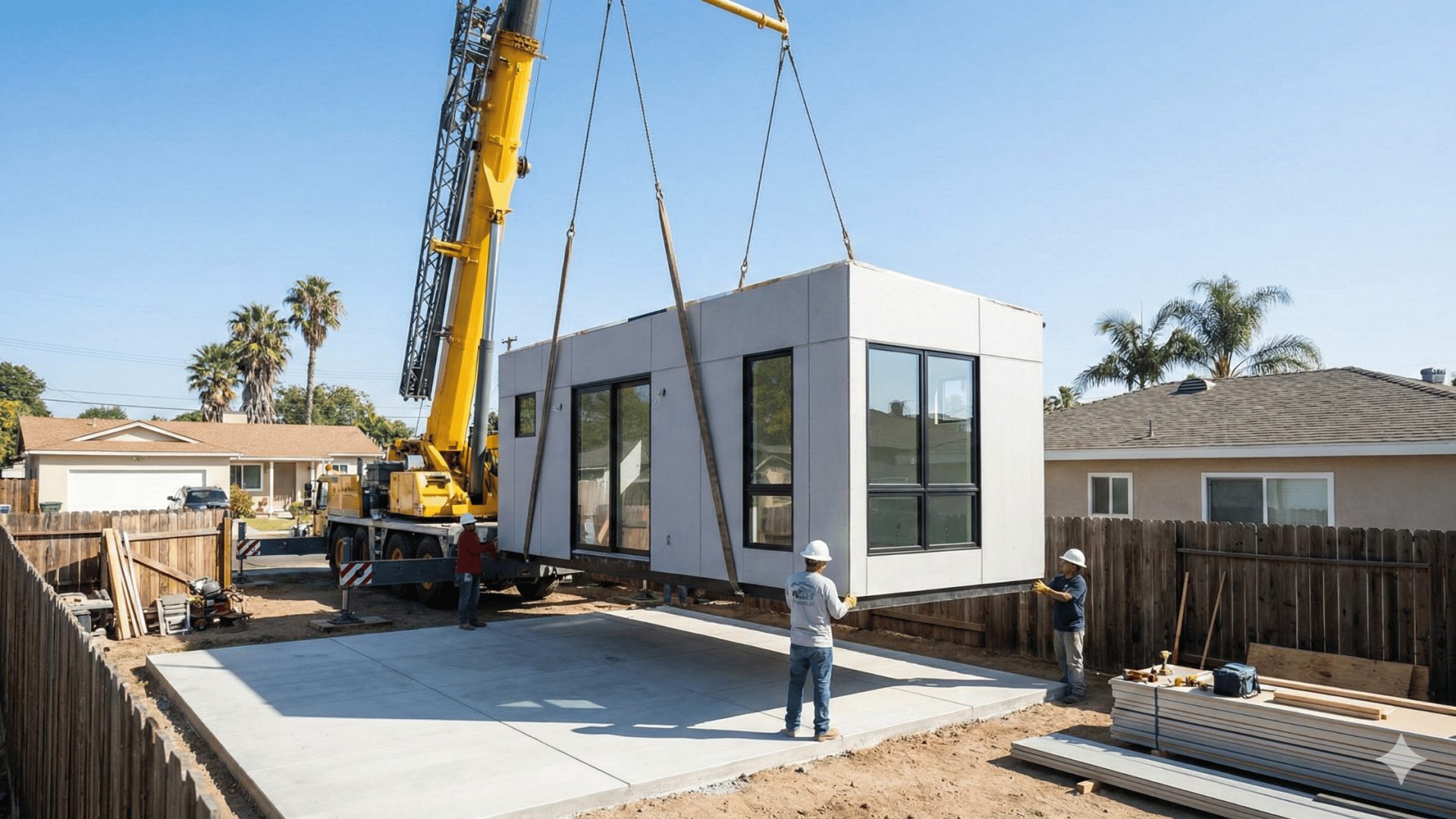
Most California homeowners underestimate how long an ADU project actually takes. That gap between expectation and reality is one of the most common sources of frustration mid-project, and it is almost always avoidable with the right information upfront.
Understanding ADU construction timelines before you break ground is just as important as understanding your budget. This guide gives you a clear, phase-by-phase picture so you can plan around reality, not assumptions.
Why ADU Timelines Are Hard to Pin Down
No two ADU projects move at the same pace. Every property comes with its own lot conditions, every California city has its own permitting process, and every ADU type carries a different level of construction complexity.
The builder you choose plays an equally significant role. An experienced ADU contractor who knows your city’s planning department and manages subcontractors without gaps between phases will consistently deliver a faster result than one who does not.
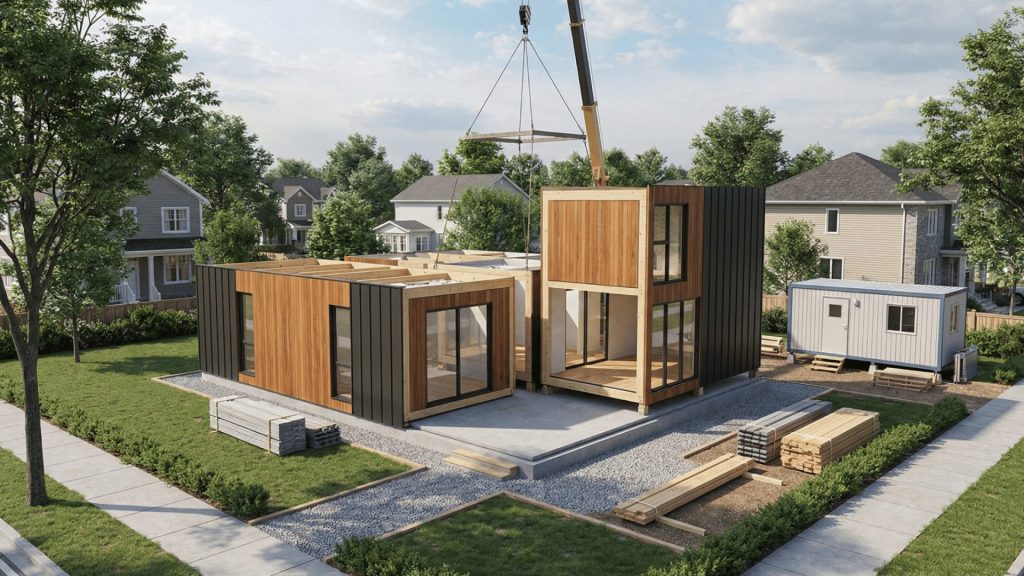
The Four Main Phases of an ADU Construction Timeline
Before getting into specific timeframes, it helps to understand how an ADU project is structured. Every build moves through four core phases, and a delay in any one of them creates a ripple effect across everything that follows:
- Phase 1: Pre-design and site assessment
- Phase 2: Design and planning
- Phase 3: Permits and city approvals
- Phase 4: Construction and final inspection
Phase 1: Pre-Design and Site Assessment (1 to 2 Weeks)
This phase begins with a property walkthrough and feasibility review. Your builder assesses lot size, setbacks, soil conditions, utility access, and any zoning considerations that could affect what you are allowed to build.
At Nestadu, we use this phase to align your goals with what your property can realistically support. Choosing the right ADU type from the start prevents costly direction changes later.
Phase 2: Design and Planning (4 to 8 Weeks)
Once the ADU type and site conditions are confirmed, architectural drawings and structural engineering documents are prepared. This phase also includes selecting interior finishes and layout details that will affect the construction phase downstream.
Using a pre-approved plan can cut this phase significantly in cities like Los Angeles and San Diego. A fully custom design takes longer but gives you complete control over every detail of the finished unit. Key things finalized here include:
- Architectural floor plans and elevations
- Structural engineering documents
- Title 24 energy compliance reports
- Interior finish and fixture selections
Phase 3: Permits and City Approvals (2 to 6 Months)
This is the most unpredictable phase of any ADU project and the one most likely to extend your timeline beyond what you planned. California state law requires cities to review complete ADU applications within 60 days, but real-world timelines vary based on your city’s workload and the quality of your submission.
Smaller cities often process permits in 6 to 10 weeks. High-volume markets like Los Angeles and San Francisco routinely run 3 to 6 months for custom designs. Pre-approved plans can bring approvals down to as few as 30 days in some jurisdictions.
Common reasons permits get delayed:
- Incomplete plan submissions that require corrections and resubmission
- Properties in coastal zones or historic districts that need additional review layers
- Missing engineering documents or Title 24 reports at the time of filing
- HOA review processes running parallel to city permitting
Nestadu handles the entire permit process on your behalf. Submitting complete, accurate documents the first time is one of the most effective ways to protect your timeline.
Phase 4: Construction and Final Inspection (4 to 6 Months)
Once permits are approved, physical construction begins. Each stage requires a city inspection before the next phase can start, so sequencing matters as much as the work itself.
Here is a realistic breakdown of each construction stage:
- Site preparation and foundation: 2 to 4 weeks
- Framing and roofing: 3 to 5 weeks
- Mechanical, electrical, and plumbing rough-in: 3 to 5 weeks
- Insulation, drywall, and interior work: 3 to 5 weeks
- Finishing, fixtures, and punch list: 2 to 4 weeks
- Final city inspection and Certificate of Occupancy: 1 to 3 weeks
ADU Timeline by Type: What to Realistically Expect
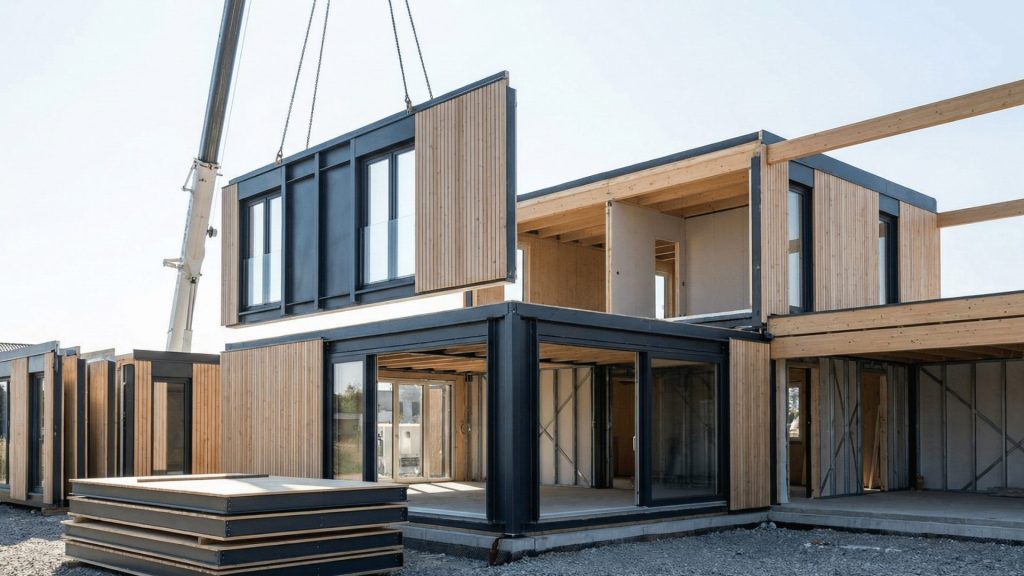
The type of ADU you build has a significant impact on your overall project timeline. Here is a practical breakdown by unit type:
- Junior ADU (JADU): 3 to 6 months total. Built within the existing home footprint, so permits and site prep are simpler.
- Garage conversion ADU: 4 to 8 months total. Existing structure reduces some work, but plumbing and electrical upgrades add time.
- Attached ADU: 6 to 12 months total. Shared walls with the primary home add coordination complexity.
- Detached backyard cottage: 9 to 18 months total. New foundation, full utility connections, and more permit scrutiny make this the longest build type.
These are realistic ranges, not best-case scenarios. Plan your personal expectations around the middle of these ranges, not the lower end.
What Causes ADU Timelines to Run Longer Than Expected
Even well-planned projects can run long. Being aware of the most common delay factors helps you build a realistic buffer into your schedule from the start.
Design changes made after permits are already submitted require resubmission and restart the review clock entirely. Unexpected site conditions such as poor soil, buried utilities, or drainage issues discovered during excavation can also add weeks of unplanned work.
Other delay factors worth planning around:
- Material lead times for specific windows, fixtures, or finish packages
- Weather-related delays during exterior foundation and framing work
- Subcontractor scheduling gaps between construction phases
- City inspection queue times, which vary by jurisdiction
Building a contingency buffer of at least 4 to 6 weeks into your personal timeline is a smart habit regardless of how organized your builder is.
How Nestadu Keeps ADU Projects on Schedule
At Nestadu, we manage the entire ADU construction timeline from site evaluation through final inspection. Our in-house team of ADU contractors and designers handles design, permitting, and construction under one roof, which removes the handoff delays that slow down projects managed by separate firms.
Every Nestadu client receives clear milestone updates throughout the build so you always know where your project stands and what comes next.
Ready to get a realistic timeline for your specific ADU project? Contact Nestadu today for a free consultation.