
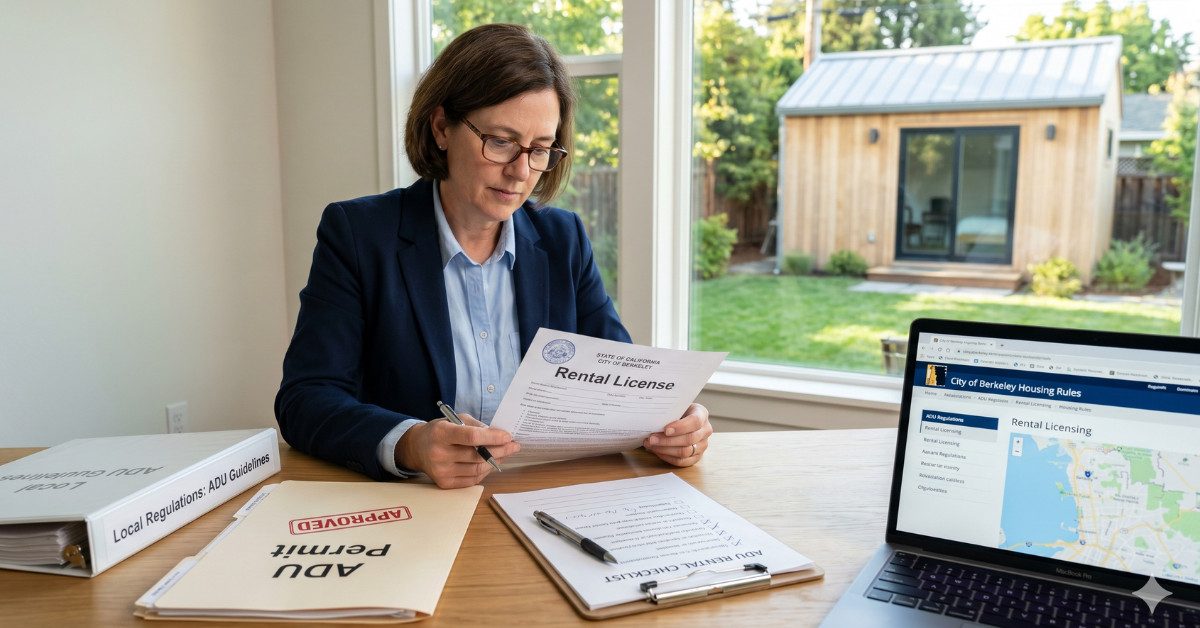
Building an accessory dwelling unit is exciting, especially when you think about the rental income it can bring in every month. ADUs have become one of the smartest investments for California homeowners looking to make the most of their property. But before you list that backyard cottage or in-law suite for rent, there’s a question most people overlook: Do I need a rental license for my ADU?
The short answer is that California doesn’t have a single statewide “rental license” for ADUs. But that doesn’t mean you can just hand over the keys and start collecting rent. Local cities across California have their own requirements, and skipping them can lead to serious fines. Let’s break it all down.
What California State Law Says About Renting Your ADU
California has made it much easier to rent out your ADU in recent years. Thanks to AB 976, the owner-occupancy requirement has been permanently removed. This means you don’t have to live on the property to rent out your ADU. You can rent both the main house and the ADU at the same time.
However, state law does set one important rule: ADU rentals must be for a minimum of 30 consecutive days. This applies to both standard ADUs and junior accessory dwelling units (JADUs). The goal behind this rule is to keep ADUs available as long-term housing rather than turning them into vacation rentals.
Here’s what you need at the state level before renting:
- A valid building permit for your ADU
- A Certificate of Occupancy from your local building department
- Compliance with the 30-day minimum rental term
- Adherence to California’s AB 1482 rent control provisions (if applicable)
If your ADU was built by a licensed and experienced team like Nestadu, your permits and inspections are already handled properly from the start. That’s one less thing to worry about.
Do You Need a Business License to Rent Your ADU?
This is where things get city-specific. While the state of California doesn’t require a dedicated rental license, most cities and counties require some form of business license or rental registration before you can legally collect rent.
The requirements depend heavily on where you live and what type of rental you’re planning. Here are a few examples from major California cities:
- Los Angeles: Requires a home-sharing registration fee of $192 for short-term rentals. Long-term landlords need a business license and must comply with the Rent Stabilization Ordinance.
- San Jose: Requires a general business license and business tax. Hosts must also pay a 10% Transient Occupancy Tax (TOT) if doing short-term rentals.
- San Diego and Sacramento: Each have their own rental permit and registration processes that vary by neighborhood and rental type.
The bottom line? Always check with your local city’s planning department before listing your ADU. A quick phone call can save you from unexpected fines down the road.
Long-Term vs. Short-Term Rentals: The Rules Are Very Different
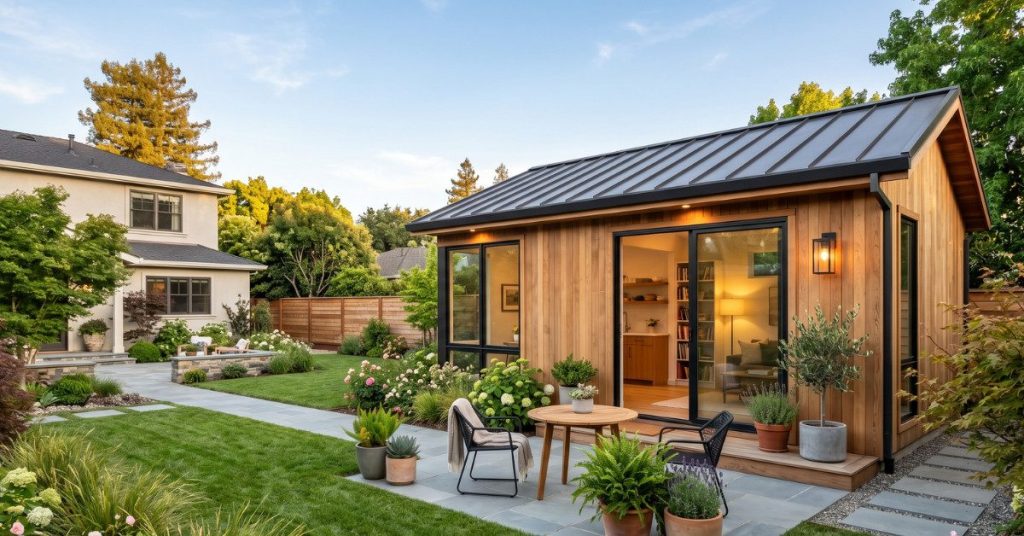
Not all ADU rentals are treated the same. The regulations you’ll need to follow depend entirely on whether you’re renting long-term or short-term.
Long-term rentals (30+ days) are the simpler route for most homeowners. You’ll typically need a business license and must follow California’s rent control laws under AB 1482. New ADUs built after 1978 are often exempt from local rent stabilization ordinances for up to 30 years, which gives you more flexibility on pricing.
Short-term rentals (under 30 days) come with heavier regulation. Some cities have banned short-term ADU rentals entirely, including Redondo Beach and West Hollywood. Cities that do allow them usually require:
- A short-term rental permit or registration number
- Payment of Transient Occupancy Tax (TOT), typically between 6% and 14%
- Posting your registration number on all rental listings
- Guest limits based on the size of the unit
If you’re building with Nestadu and planning to rent long-term, the compliance path is much more straightforward. Our team can guide you through what your specific city requires so you’re ready to rent as soon as construction wraps up.
What Happens If You Rent an Unpermitted ADU?
This is a risk that too many homeowners underestimate. Renting out an ADU that doesn’t have proper permits can lead to some serious consequences.
- Daily fines ranging from $200 to $500 in cities like Los Angeles
- Legal liability if a tenant is injured in an unpermitted structure
- Triple damages plus attorney fees in certain landlord-tenant disputes
- Difficulty selling your property later, since buyers and lenders flag unpermitted units
The good news is that California has created amnesty programs for homeowners with ADUs built before 2020. Under AB 2533, local building departments must allow these older units to be permitted retroactively as long as they meet current health and safety codes. But going through that process after the fact is always more expensive and time-consuming than getting it right the first time.
That’s exactly why working with a reputable ADU builder matters. Nestadu handles permitting as part of every project, so your unit is fully compliant and rent-ready from day one.
How to Make Sure You’re Fully Compliant Before Renting
Before you sign a lease with your first tenant, run through this quick checklist:
- Confirm your ADU has a valid building permit and passed all inspections
- Obtain your Certificate of Occupancy
- Check with your city’s planning department for any local business license or rental registration requirements
- Decide whether you’re renting long-term or short-term, and follow the corresponding rules
- Draft a lease agreement that meets California landlord-tenant law standards
- Set up proper accounting for rental income and any applicable taxes
Getting all of this in order before your first tenant moves in protects both you and your investment.
Build a Rent-Ready ADU with Nestadu
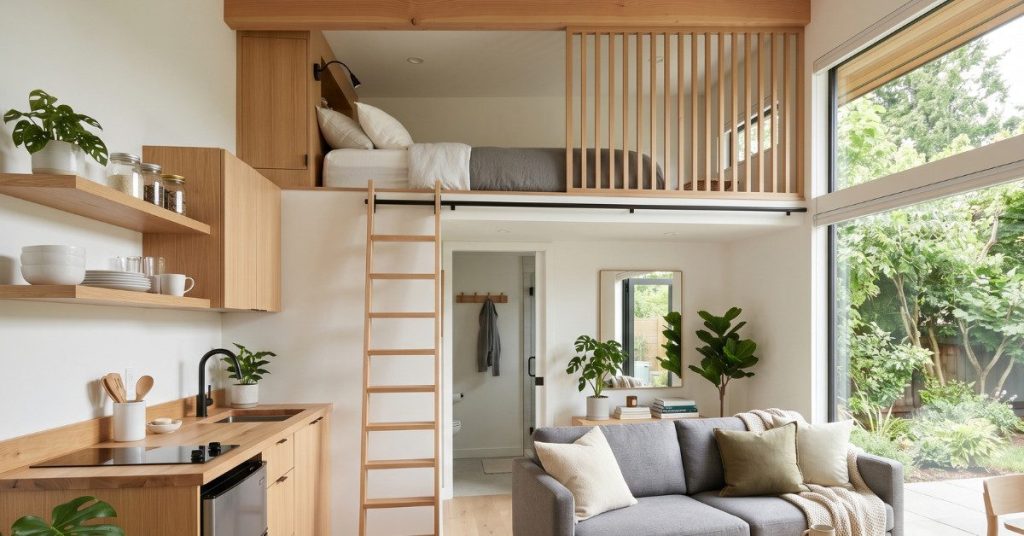
Navigating permits, licenses, and local regulations can feel overwhelming. But it doesn’t have to be. Nestadu is a leading ADU builder based in California, and our team handles every step of the process from design and permitting to construction and final inspection.
We work with homeowners across California who want to build ADUs for rental income, flexible living space, or housing for family members. Our focus is on transparent pricing, quality craftsmanship, and making sure your ADU is fully permitted and compliant before we hand you the keys.
If you’re thinking about building an ADU and want to rent it out without the compliance headaches, reach out to Nestadu today. We’ll help you get it right from the start.