

If you’re planning to build an accessory dwelling unit or upgrade your existing home, you’ve probably come across the term “prefab fireplace.” These factory-built units have become incredibly popular in modern construction, especially for smaller living spaces. But what exactly are they, and why should you consider one for your project?
A prefab fireplace offers the warmth and ambiance of a traditional fireplace without the hefty price tag or lengthy construction timeline. Let’s explore everything you need to know about these versatile heating options.
What Is a Prefab Fireplace?
A prefabricated fireplace, often called a prefab or factory-built fireplace, is a self-contained heating unit manufactured in a controlled factory environment. Unlike traditional masonry fireplaces that are built brick by brick on-site, prefab fireplaces arrive as complete units ready for installation.
These fireplaces consist of a metal firebox, chimney system, and all necessary components designed to work together as a single system. The term “zero-clearance” often comes up with prefab fireplaces because many models can be installed directly against combustible materials like wood framing, making them ideal for tight spaces.
Understanding the Key Differences
Traditional masonry fireplaces require skilled craftsmen, weeks of construction time, and substantial structural support due to their weight. A brick fireplace can weigh several tons and needs a dedicated foundation. Prefab fireplaces, on the other hand, weigh significantly less and can often be installed in existing structures without additional foundation work.
The construction method is the biggest difference. Masonry fireplaces are custom-built on your property using bricks, mortar, and stone. Prefab units are manufactured to strict safety standards in factories and simply installed where you need them.
Types of Prefab Fireplaces
Wood-Burning Prefab Fireplaces
These units burn real wood and provide authentic crackling sounds and traditional fireplace ambiance. They require proper venting through a chimney system and regular cleaning to remove creosote buildup. Wood-burning models work well for homeowners who enjoy the experience of a real fire.
Gas Prefab Fireplaces
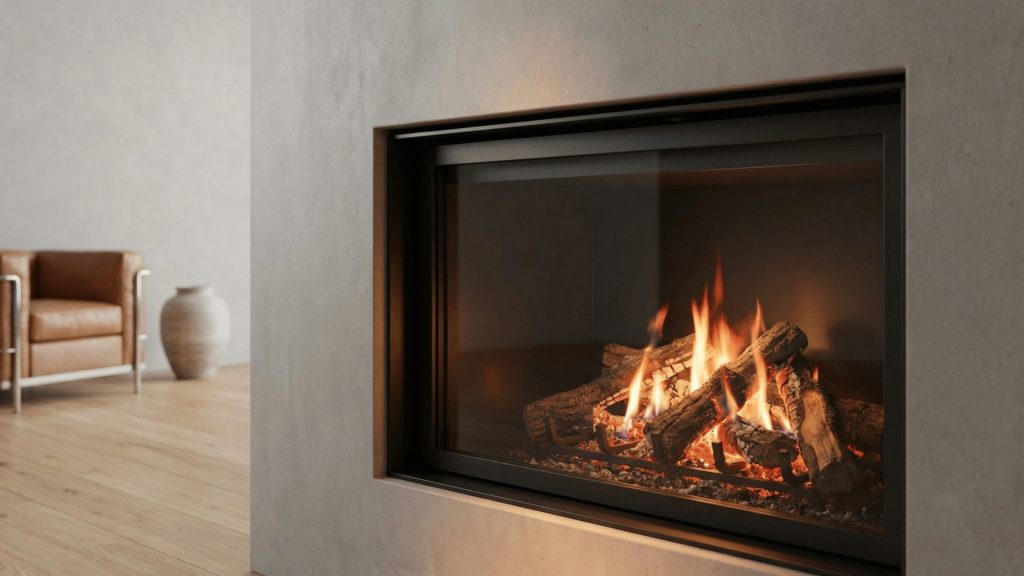
Gas models run on natural gas or propane and offer convenience with the flip of a switch. They produce consistent heat without the mess of ash or the need to store firewood. Many gas prefab fireplaces include realistic-looking logs and adjustable flame settings.
Electric Prefab Fireplaces
Electric units plug into standard outlets and don’t require any venting. They’re the easiest to install and maintain, though they provide ambiance more than substantial heat. These work perfectly for ADUs where adding a chimney isn’t practical.
Why Choose a Prefab Fireplace?
Prefab fireplaces offer several compelling advantages that make them popular for both new construction and renovation projects:
- Cost savings: Typically 50-70% less expensive than masonry fireplaces
- Faster installation: Can be installed in days instead of weeks
- Lighter weight: No need for additional foundation support in most cases
- Energy efficient: Modern units feature sealed combustion and heat circulation systems
- Building code compliance: Manufactured to meet strict UL safety standards
- Design flexibility: Available in numerous styles to match any decor
At Nestadu, we often recommend prefab fireplaces for ADU projects because they add tremendous value without breaking the budget. A well-placed fireplace can make a backyard cottage feel like a true home rather than just a rental unit.
Installation Considerations
Installing a prefab fireplace requires careful planning, even though the process is simpler than building a masonry fireplace. You’ll need to consider proper venting, adequate clearances from combustible materials, and local building code requirements.
California has specific regulations for fireplace installations, particularly regarding air quality and emissions. Most prefab fireplaces meet these standards, but you should verify compliance before purchase. Professional installation is strongly recommended to ensure safety and warranty coverage.
The installation process involves securing the unit in place, connecting the venting system, and finishing the surround with your choice of materials. Many homeowners add mantels, tile work, or stone veneer to customize the appearance.
Prefab Fireplaces in ADUs
Accessory dwelling units benefit greatly from prefab fireplaces. These compact living spaces need heating solutions that don’t consume valuable square footage or require massive structural modifications.
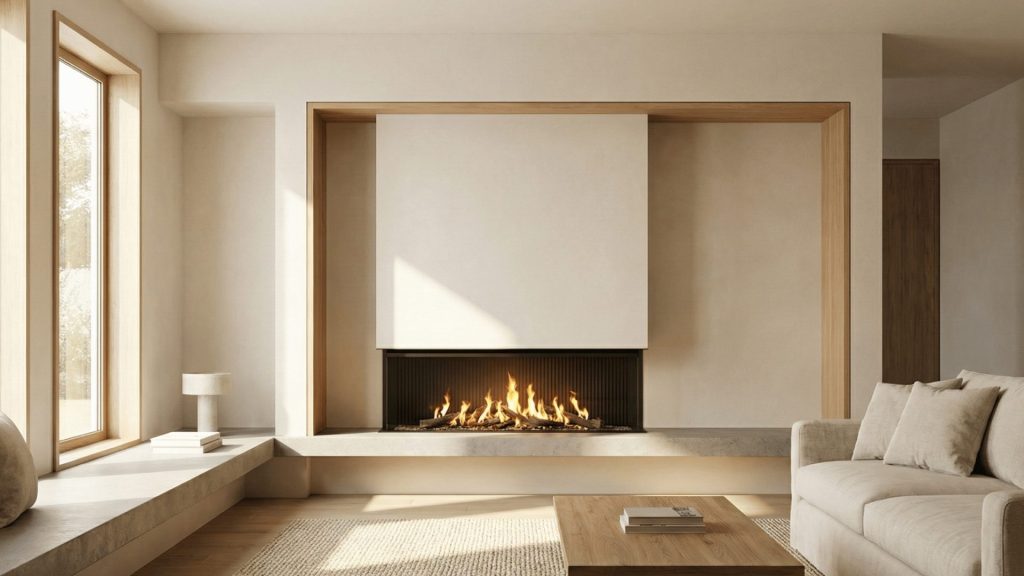
A prefab fireplace can serve as both a practical heat source and an attractive focal point in your ADU. It creates a cozy atmosphere that makes the space more appealing to potential renters or family members. For in-law suites or backyard cottages, a fireplace adds a touch of luxury without the luxury price tag.
Nestadu incorporates fireplaces into many of our ADU designs when clients want to create a premium living experience. The right fireplace can significantly increase rental value and make your accessory dwelling unit stand out in the market.
Maintenance and Longevity
Prefab fireplaces require regular maintenance to operate safely and efficiently. The specific maintenance needs depend on the fuel type you choose.
For wood-burning models: Annual chimney inspections and cleaning are essential to prevent creosote buildup and potential chimney fires. You should also check the firebox for cracks or damage each season.
For gas models: Annual inspections of gas lines, pilot lights, and burner components ensure safe operation. Gas fireplaces generally require less maintenance than wood-burning units.
For electric models: Basic cleaning of the glass front and occasional bulb replacement are typically all that’s needed.
Most prefab fireplaces last 15-25 years with proper maintenance, though this varies by brand and usage. Higher-quality units with regular care can last even longer.
Making the Right Choice
When selecting a prefab fireplace, consider your primary goals. Do you want supplemental heat, ambiance, or both? What fuel sources are available at your property? How much space do you have for the unit and venting?
Budget matters too, but remember that installation costs vary significantly. Electric models have the lowest installation costs, while wood-burning units require the most extensive venting systems.
Working with experienced ADU builders like Nestadu helps ensure you choose the right fireplace for your specific project. We can guide you through the selection process based on your space, budget, and intended use.
Final Thoughts
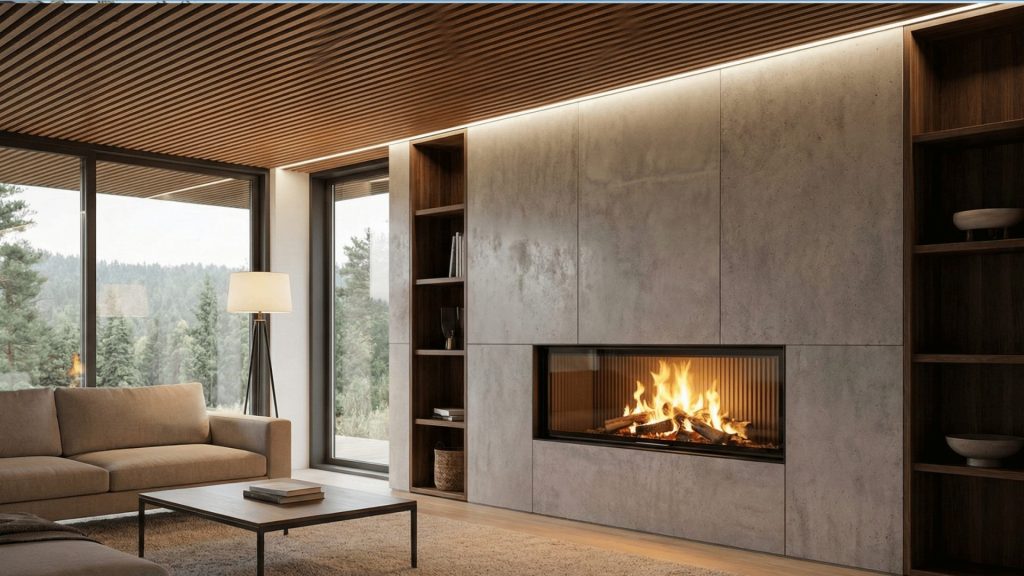
Prefab fireplaces offer a practical and affordable way to add warmth and character to any home or ADU. They bring the charm of a traditional fireplace without the complications of masonry construction. Whether you’re building a new accessory dwelling unit or updating an existing space, a prefab fireplace deserves consideration.
The key is choosing the right type for your needs and ensuring proper installation by qualified professionals. With the right selection and care, your prefab fireplace will provide years of comfort and enjoyment while adding value to your property.