
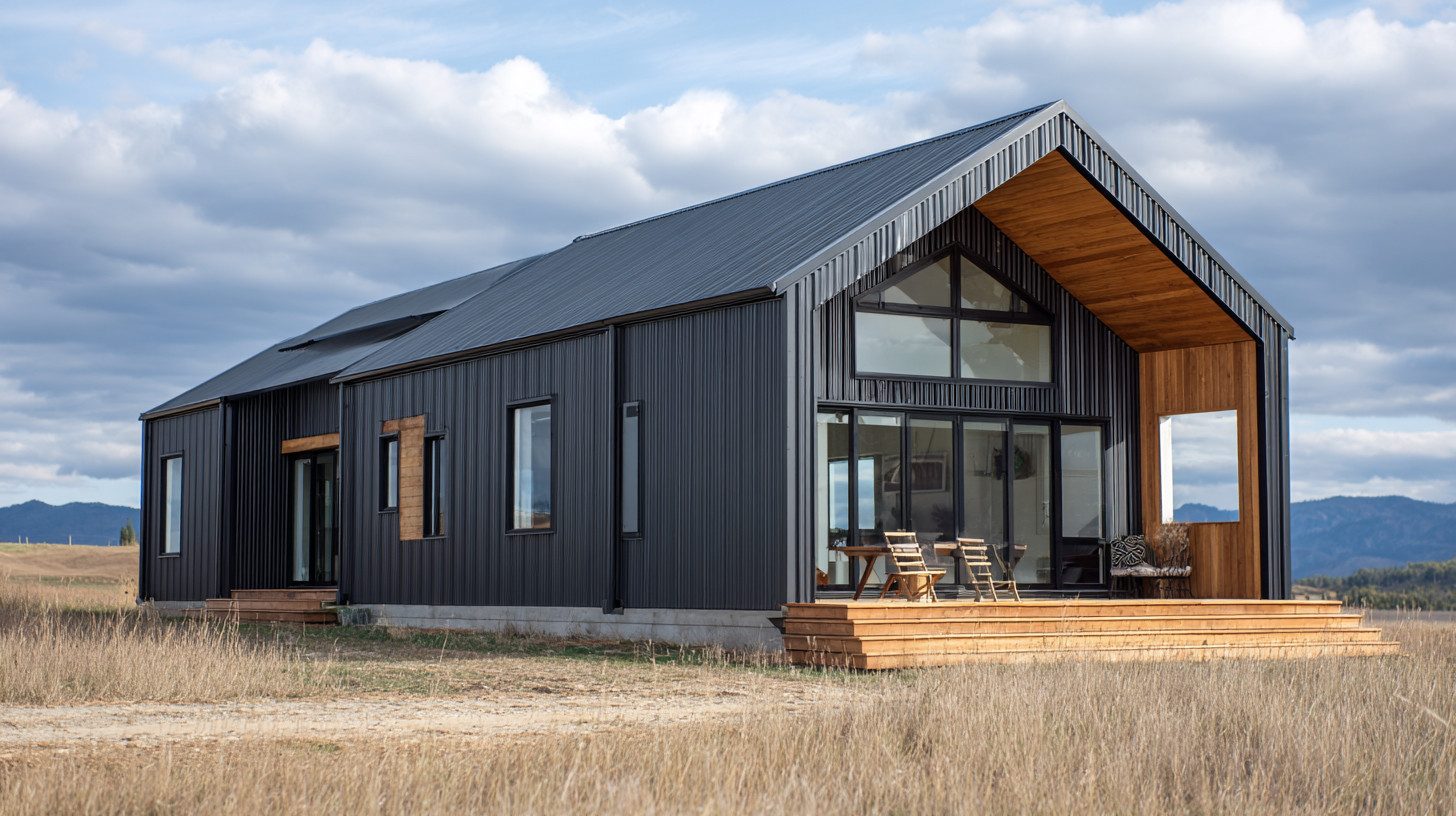
When homeowners consider investing in a prefab house or an accessory dwelling unit (ADU), one of the first questions they ask is about longevity. Prefab homes have gained attention in California for their affordability, quicker construction, and flexible use as in-law suites, backyard cottages, or rental units. But many still wonder: can they last as long as traditional homes?
The simple answer is yes. With the right materials, construction practices, and maintenance, prefab homes can last for decades, often matching or exceeding the lifespan of conventionally built houses. At Nestadu, we’ve seen how well-crafted prefab ADUs stand strong year after year while blending seamlessly into neighborhoods.
What is a Prefab House?
A prefab house, short for “prefabricated,” is a home built in a factory setting and then transported to its permanent location. Unlike mobile homes, prefab units are designed to meet local building codes and are often indistinguishable from traditional stick-built houses once completed.
There are different types of prefab construction, including:
- Modular Homes: Built in sections (modules) that are assembled on-site.
- Panelized Homes: Walls and panels are manufactured off-site and put together on the property.
- ADUs and Backyard Cottages: Compact, versatile units designed for rental income, guest housing, or family use.
In California, ADUs have become especially popular thanks to housing demand and updated zoning laws. Prefab ADUs from builders like Nestadu offer a convenient and durable way to expand living space without the long construction timelines of traditional builds.
Average Lifespan of a Prefab House
Prefab houses today are built to last. The average lifespan ranges from 30 to 60 years, but with proper care, many last much longer. In fact, modern prefab homes often rival the durability of conventional housing because of advanced building methods and stricter quality control in factory environments.
Unlike older prefab or manufactured homes, today’s models are constructed with materials like reinforced steel frames, treated plywood, and durable roofing systems. These improvements make prefab homes a reliable option for homeowners who want both comfort and longevity.
Key Factors That Impact Prefab House Lifespan
Quality of Materials
The foundation of any home’s durability lies in the materials used. High-quality lumber, steel, and treated plywood all contribute to a longer life. Cheaper materials may save on upfront costs, but they shorten the building’s lifespan. Nestadu focuses on durable, premium materials that stand up to California’s diverse climate.
Construction Standards
Because prefab homes are built in factories, they benefit from controlled conditions that reduce errors caused by weather or rushed labor. Each unit must also comply with California’s strict building codes. This precision ensures consistency and strength, giving prefab houses an edge in long-term durability.

Climate and Location
The local environment plays a significant role in a prefab home’s lifespan. For example, California’s hot summers, seasonal rains, and even seismic activity require homes to be designed with resilience in mind. Proper insulation, moisture barriers, and earthquake-safe construction extend how long a prefab home will last.
Maintenance and Upkeep
Just like traditional homes, prefab houses require regular maintenance. Without it, even the best-built homes can deteriorate. With it, a prefab home can remain strong for generations.
Common Misconceptions About Prefab Homes
Many people confuse prefab houses with mobile homes or temporary structures. The truth is, modern prefab homes are permanent, code-compliant, and built to the same standards as traditional housing. Some misconceptions include:
- Myth 1: Prefab houses are temporary and won’t last.
- Reality: With proper care, they can last 50+ years, just like traditional homes.
- Myth 2: Prefab homes are low-quality.
- Reality: Today’s factories use precise techniques and quality checks that sometimes exceed traditional construction standards.
- Myth 3: Prefab houses don’t add property value.
- Reality: Prefab ADUs built by trusted contractors like Nestadu increase both property functionality and overall market value.
How Prefab ADUs Compare to Traditional Homes in Durability
When comparing prefab ADUs to stick-built homes, the differences are smaller than most people think. Prefab units are engineered with tight tolerances and strong frames, which actually makes them less prone to some structural issues. While traditional homes rely heavily on on-site craftsmanship, prefab homes benefit from consistency and reduced construction delays.
In terms of lifespan, both can last for decades. The deciding factor often comes down to upkeep, location, and the builder’s expertise. Nestadu’s focus on blending high-quality materials with thoughtful design ensures ADUs are not only durable but also add lasting value to California properties.

How to Extend the Life of Your Prefab ADU
Every homeowner wants to get the most out of their investment. With routine care, prefab houses can remain strong and appealing for generations. Here are practical steps to extend the life of your prefab ADU:
Regular Maintenance Checklist
- Inspect the roof every 1–2 years for leaks or damage.
- Clean gutters to prevent water buildup.
- Repaint or reseal the exterior every 7–10 years to protect against weather.
- Check plumbing and electrical systems regularly.
- Service HVAC units annually for efficiency and longevity.
Upgrading Finishes
Choosing durable finishes like weather-resistant siding, energy-efficient windows, and high-quality flooring adds to the home’s long-term value.
Professional Care
Working with experienced ADU builders like Nestadu ensures the foundation, structure, and finishes are built for longevity. Partnering with professionals also means easier access to future repairs or upgrades.
Why Prefab ADUs Are a Smart Long-Term Investment
Prefab ADUs are more than just additional living space they’re long-term investments. In California, demand for rental housing continues to rise, making ADUs a profitable choice for homeowners. Beyond financial returns, they also serve families for decades, whether as a home for aging parents, a guest cottage, or a rental unit.
Key benefits of prefab ADUs:
- Durability: Built to withstand decades of use.
- Rental Income: A steady source of revenue.
- Property Value: Adds long-term appreciation.
- Flexibility: Serves different needs over time, from family housing to rental opportunities.
Nestadu simplifies this process with transparent pricing, thoughtful design, and expert construction, ensuring that every ADU is a lasting asset.

Conclusion – Built to Last for Generations
Prefab homes, especially ADUs built by experienced teams, can last anywhere from 30 years to several decades more with proper maintenance. Far from being temporary structures, they provide homeowners in California with reliable, long-term housing solutions that add both financial and lifestyle benefits.
At Nestadu, we’re committed to building ADUs that enrich properties and stand the test of time. Whether you’re looking for a backyard cottage, an in-law suite, or a rental unit, our team ensures every project delivers comfort, durability, and value for years to come.