
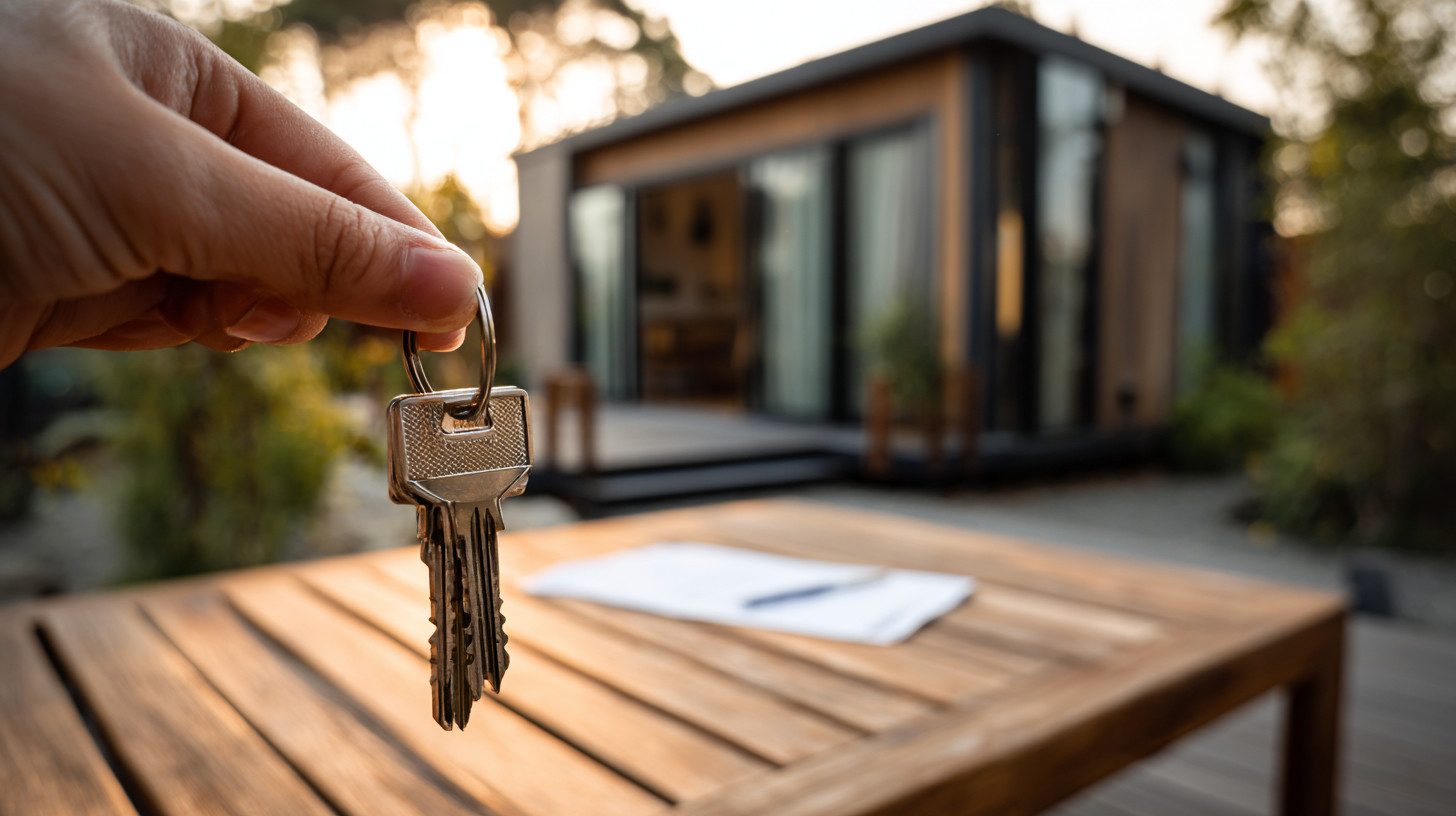
Prefab homes have gained remarkable attention in California and across the country. With rising housing costs and the need for flexible living spaces, many homeowners are turning toward prefabricated units, including accessory dwelling units (ADUs), as a practical solution. But when it comes to financing, the question often arises: Can you mortgage a prefab home?
The short answer is yes. However, the process can be a little different compared to financing a traditional home. Understanding the requirements, mortgage types, and lender considerations will help you prepare before you start building your dream ADU or prefab home.
What Is a Prefab Home?
Prefab, or prefabricated, homes are structures that are manufactured in sections at a factory and then transported to a building site for assembly. Unlike traditional site-built homes, which are constructed entirely on-site, prefab homes often have much shorter construction timelines.
There are different types of prefab housing:
- Modular homes: Built in sections and assembled on a permanent foundation.
- Panelized homes: Pre-cut wall panels and systems delivered to the site for assembly.
- Manufactured homes: Built on a steel frame and transported fully or partially assembled, often regulated under HUD standards.
In California, prefab ADUs are becoming especially popular for homeowners looking to add backyard cottages, in-law suites, or rental units to their property.
How Mortgages Typically Work for Traditional Homes
Mortgages are loans secured by real estate. For site-built homes, lenders evaluate factors like the borrower’s credit, income, property value, and the structure’s compliance with building codes. Since the home is permanently attached to the land, the property becomes collateral for the mortgage.
The lender’s main concern is whether the property holds long-term value and meets recognized housing standards. That same logic applies when evaluating prefab homes, but additional factors come into play.
Can You Mortgage a Prefab Home?
Yes, you can mortgage a prefab home, provided it meets certain conditions. Lenders look at several key points when reviewing prefab properties:
- Permanent Foundation: The prefab unit must be permanently affixed to the land. Temporary or movable units typically do not qualify for mortgages.
- Building Codes: The home must comply with HUD standards (for manufactured homes) or local/state building codes (for modular and ADUs).
- Land Ownership: The borrower usually needs to own the land where the prefab home sits. Mortgages are less likely to be approved for leased land situations.
- Property Classification: If the prefab is considered “real property” rather than “personal property,” mortgage approval is more likely.
These conditions are what make the difference between a prefab home being treated like a site-built home versus being classified more like a mobile home.

Mortgage Options for Prefab Homes and ADUs
Prefab homes can qualify for many of the same mortgage products as traditional houses, depending on how they are built and classified.
1. Conventional Loans
- Backed by Fannie Mae and Freddie Mac, these loans often accept modular homes if they meet permanent foundation requirements.
- Prefab ADUs can sometimes be financed as part of a primary residence if properly appraised.
2. FHA Loans
- The Federal Housing Administration allows prefab homes if they meet HUD codes.
- FHA loans can be easier for first-time buyers or those with lower down payments.
3. VA Loans
- For eligible veterans, VA loans may apply to prefab homes if they meet the VA’s property standards.
4. Construction-to-Permanent Loans
- Ideal for those building a prefab ADU on their property.
- Converts from a short-term construction loan into a traditional mortgage once the unit is completed and inspected.
5. Home Equity Loans and HELOCs
- For homeowners adding a prefab ADU, tapping into existing equity is a common financing choice.
- This option avoids starting a new primary mortgage.
Challenges in Getting a Prefab Home Mortgage
While mortgage options exist, some hurdles can complicate the process.
- Appraisal Issues: Prefab homes, especially ADUs, may be undervalued if local appraisers lack comparable sales.
- Lender Familiarity: Not all lenders understand prefab or ADU financing, making approvals harder to obtain.
- Zoning Restrictions: Some California municipalities have unique permitting rules, which can delay or block mortgage approval.
- Classification Confusion: Whether a prefab unit is labeled as real estate or personal property can impact eligibility.
Alternative Financing Options for Prefab ADUs
If a traditional mortgage isn’t available or doesn’t make sense, homeowners have several alternatives.
- Personal Loans: Smaller prefab projects, like ADUs under a certain size, may qualify for personal or unsecured loans.
- Builder Financing: Some prefab builders offer in-house financing plans.
- Cash-Out Refinancing: Homeowners refinance their existing mortgage and use the difference to build an ADU.
- Rental Income Strategy: Homeowners may finance a prefab ADU with the expectation of paying down the loan through rental earnings.
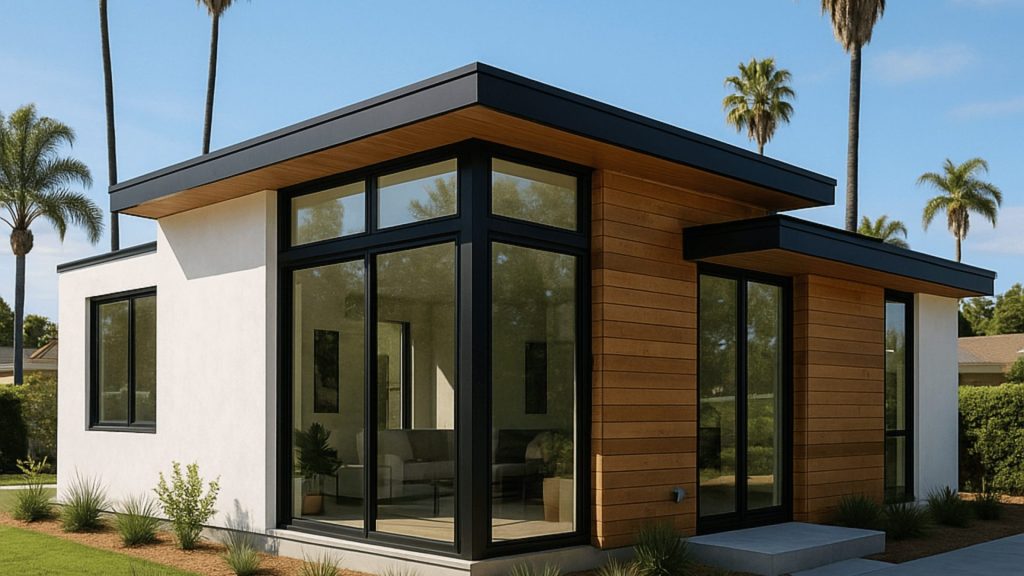
Why Work With an Experienced ADU Builder Like Nestadu
Financing a prefab ADU or modular home isn’t just about securing a loan it’s about ensuring the project itself qualifies. This is where working with an experienced builder matters.
At Nestadu, we understand California’s regulations, zoning requirements, and the financing hurdles homeowners face. Our team ensures:
- Prefab ADUs are designed to meet state and local codes.
- Plans and documentation are ready for lender review.
- Pricing is transparent, giving lenders confidence in the project’s value.
- Homeowners have guidance on budgeting and potential financing paths.
Choosing the right ADU builder doesn’t just simplify construction; it makes financing more achievable.
Tips for Getting a Mortgage on a Prefab Home
Before applying for a mortgage, homeowners can prepare by following a few practical steps:
- Confirm land ownership and ensure it’s titled correctly.
- Choose a prefab home that meets HUD or California building codes.
- Secure all necessary permits before seeking financing.
- Gather detailed construction and design documents for the lender.
- Compare offers from lenders familiar with prefab and ADU projects.
- Work closely with an ADU builder who understands financing requirements.
Conclusion
So, can you mortgage a prefab home? Absolutely if it meets the right conditions. From permanent foundations to compliance with building codes, lenders look for assurance that the property holds long-term value. While challenges like appraisals and zoning can create obstacles, there are also alternative financing paths available.
Prefab ADUs, especially in California, are more than just living spaces. They are investments that can create rental income, house extended family, or increase property value.
At Nestadu, we help homeowners every step of the way, from design and construction to ensuring your prefab ADU meets the standards needed for financing. If you’re ready to explore the possibility of adding a prefab ADU to your property, contact our team today to discuss how we can bring your vision to life.