

The housing landscape in California has changed dramatically over the past few years, and accessory dwelling units are at the center of this transformation. Whether you’re considering building a backyard cottage for rental income or an in-law suite for aging parents, understanding the legal framework is your first step toward success.
ADU laws can seem overwhelming at first, but they’ve actually become more homeowner-friendly than ever before. At Nestadu, we’ve helped countless California homeowners navigate the complexities of ADU regulations, and this guide breaks down everything you need to know.
What Are ADU Laws and Why They Matter
ADU laws are the rules and regulations that govern the design, placement, and construction of accessory dwelling units on residential properties. These laws exist at three levels: federal guidelines, state statutes, and local ordinances.
Understanding these regulations matters because they directly impact your project timeline, budget, and design options. A solid grasp of ADU laws helps you avoid costly mistakes, delayed permits, and potential legal issues down the road.
Key reasons ADU laws are important:
- They determine the maximum size and height of your unit
- They establish setback requirements from property lines
- They outline parking and utility connection standards
- They dictate permit processing timelines and approval procedures
- They protect your investment by ensuring compliance with safety codes
California’s State-Level ADU Regulations
California leads the nation in ADU-friendly legislation. Between 2020 and 2024, the state passed several bills that made building accessory dwelling units easier and more affordable for homeowners.
The most significant legislation includes AB 68, AB 881, and SB 13. These bills introduced ministerial approval processes, meaning local governments must approve ADU applications if they meet basic criteria.
Core California ADU standards include:
- Units up to 850 square feet for studios and one-bedroom ADUs
- Units up to 1,000 square feet for two or more bedrooms
- Ministerial approval within 60 days for compliant applications
- Four-foot side and rear setbacks for detached ADUs
- 16-foot height limits for detached units
- No parking requirements in most situations
Owner-occupancy requirements have been suspended through January 2025. This change opens up more opportunities for investment property owners and those who want to rent out both their main house and ADU.
Local Zoning and Municipal Requirements
While state law sets the baseline, local jurisdictions still have some control over ADU regulations. Cities and counties can implement additional standards as long as they don’t conflict with state minimums.
Nestadu works with homeowners across California, and we’ve seen how regulations vary from city to city. Los Angeles, San Francisco, San Diego, and Sacramento each have their own nuances in how they interpret and apply state ADU laws.
Common local requirements to research:
- Specific lot coverage percentages
- Design standards for roof pitch and exterior materials
- Utility connection and impact fees
- Tree preservation ordinances
- Historic district restrictions
The permit application process typically requires site plans, floor plans, elevation drawings, and engineering reports. Most jurisdictions process ADU permits within 60 days, though complex projects may take longer.
Different ADU Types and Their Legal Parameters
Not all accessory dwelling units are created equal in the eyes of the law. Different types come with different regulations, and understanding these distinctions helps you choose the right option for your property.
Detached ADUs
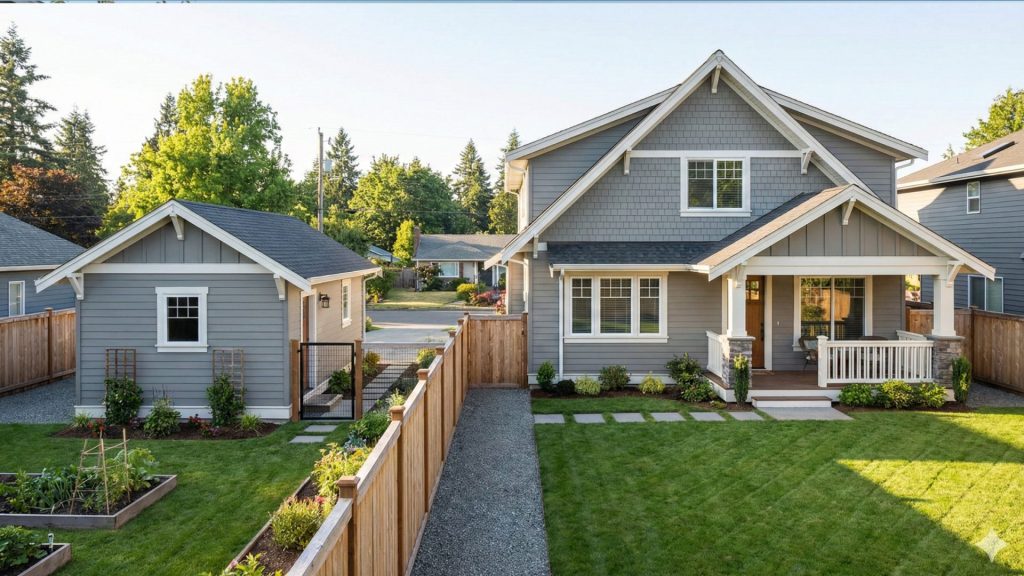
Detached ADUs, often called backyard cottages, are standalone structures separate from your main house. These typically offer the most flexibility in design and placement. State law allows detached units up to 1,200 square feet in most cases, with specific setback and height requirements that vary by location.
Attached ADUs and Conversions
Attached ADUs connect directly to your primary residence. These might be additions to the side of your home or conversions of existing attached space.
Garage conversions offer unique advantages:
- Often require minimal structural changes
- May not count against maximum ADU square footage
- Can sometimes bypass certain setback requirements
- Usually faster to permit and build than new construction
Junior ADUs
Junior ADUs (JADUs) are a special category limited to 500 square feet and contained entirely within the existing primary residence. They must include a small kitchen and bathroom, and they come with relaxed parking requirements.
Navigating Common Legal Challenges
Even with streamlined state laws, ADU projects can face legal hurdles. Homeowners associations sometimes have covenants that restrict or prohibit ADUs, though recent legislation has limited HOA power to unreasonably deny these units.
Historic districts present another layer of complexity. While you can still build an ADU in these areas, you may need to meet additional design standards to preserve neighborhood character. Nestadu has extensive experience working within these constraints to create beautiful, compliant ADUs.
Fire safety codes and building standards apply to all ADUs regardless of type. Your unit must meet current residential building codes for structural integrity, fire resistance, electrical systems, plumbing, and mechanical systems.
Compliance and Inspection Requirements
Building code compliance isn’t just about passing inspection. It’s about creating a safe, durable living space that will serve its purpose for decades.
Typical inspection points include:
- Foundation and framing inspection
- Electrical rough-in
- Plumbing rough-in
- Mechanical systems
- Insulation and drywall
- Final building inspection
Nestadu manages the entire inspection process for our clients, coordinating with local building departments and ensuring every detail meets code. Our systematic approach means fewer delays, fewer correction notices, and a smoother path to your certificate of occupancy.
Financial and Tax Considerations
Building an ADU affects your property taxes, though not as dramatically as you might think. In California, ADUs typically result in a modest property tax increase based on the added value, but this is often offset by rental income potential.
If you plan to rent your ADU, understand fair housing laws and landlord-tenant regulations. You’ll need proper rental agreements, insurance coverage, and compliance with habitability standards.
Available incentives may include:
- Fee waivers for ADU permits
- Reduced utility connection costs
- Financing assistance programs
- Pre-approved ADU plan libraries
California offers various incentive programs to encourage ADU construction. Research what’s available in your area, as these programs can save thousands of dollars.
Working With Professional ADU Builders
The complexity of ADU laws is exactly why partnering with experienced contractors matters. At Nestadu, we handle every aspect of regulatory compliance, from initial feasibility analysis through final inspection.
We provide transparent pricing with no hidden costs, so you know exactly what to expect financially. Our meticulous craftsmanship and attention to detail mean your ADU won’t just meet code requirements but will exceed your expectations for quality and functionality.
From the first design consultation to the day you receive your keys, Nestadu simplifies the ADU construction process. We coordinate permits, manage inspections, and keep your project on schedule.
Start Your ADU Journey With Confidence
Understanding ADU laws is no longer the barrier it once was. California has created a regulatory environment that encourages homeowners to add these valuable units to their properties.
Whether you’re building a detached backyard cottage, converting your garage, or adding an attached in-law suite, Nestadu brings the expertise you need. Contact our experienced team today for a consultation, and let’s discuss how we can bring your ADU vision to life while ensuring full compliance with all applicable laws.


